
Last updated November 22, 2026
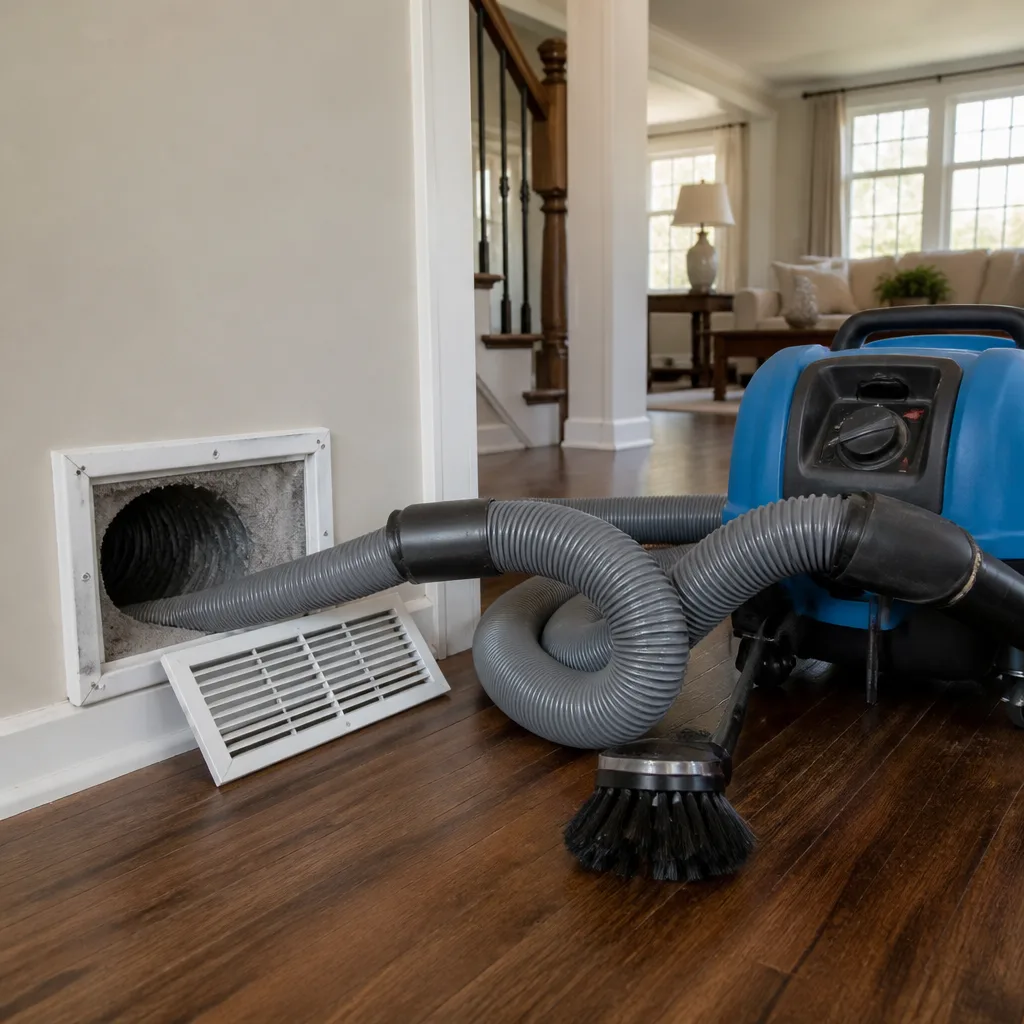 Whole-home duct cleaning
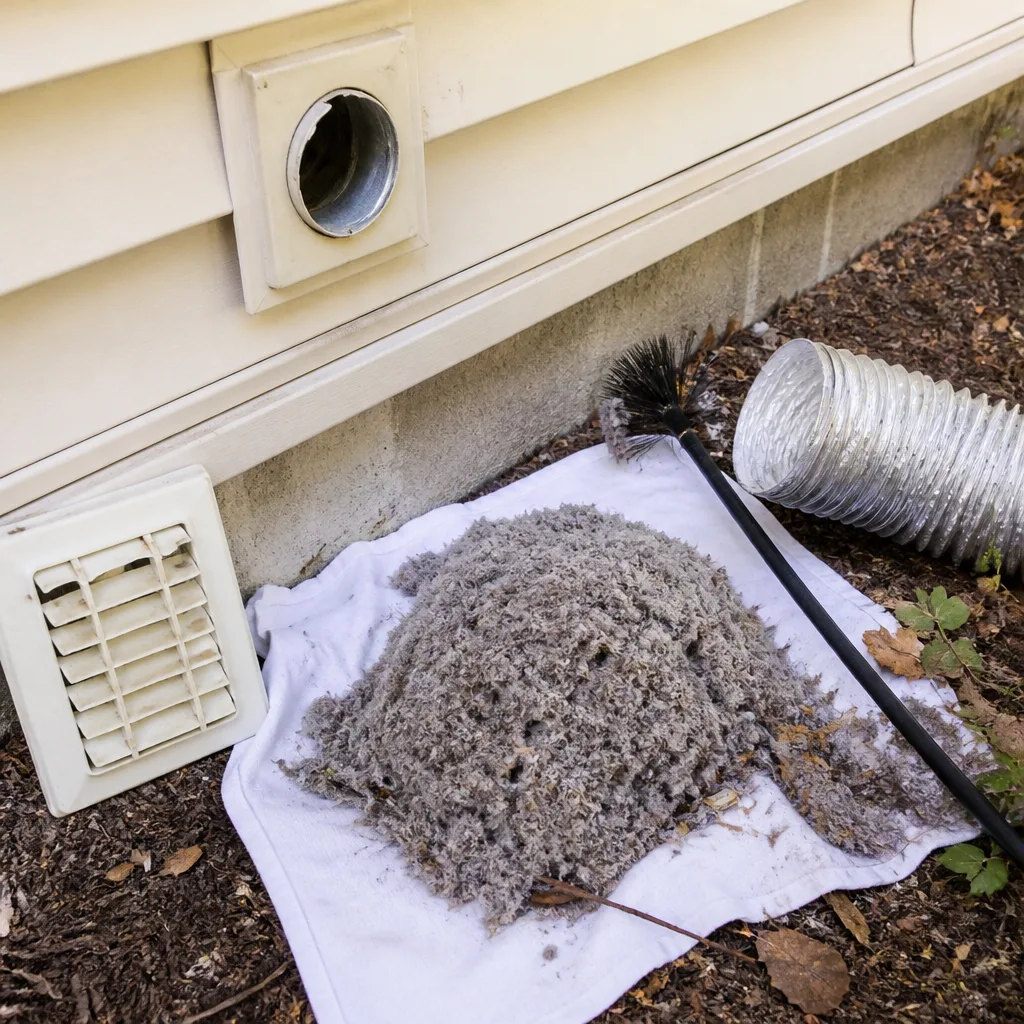 Dryer vent cleaning
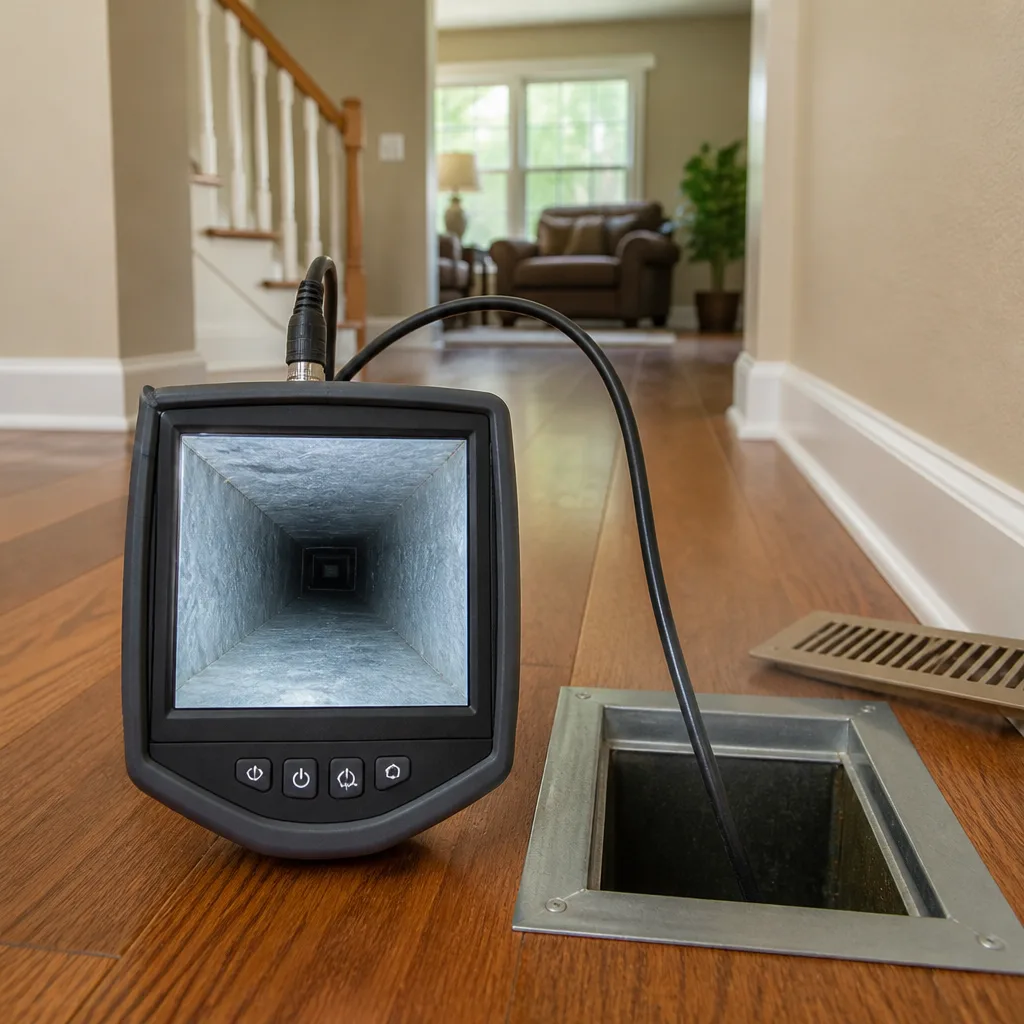 Camera inspection
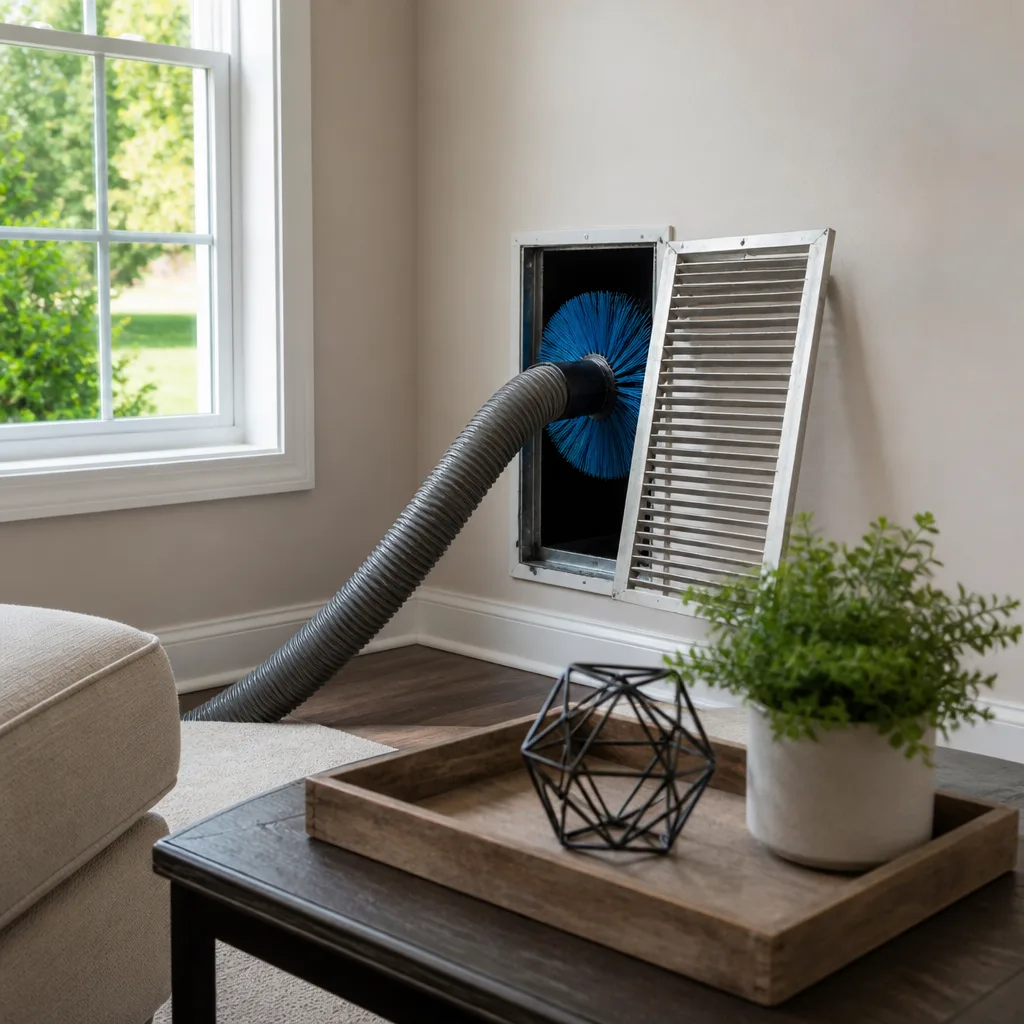 Sanitizing & deodorizing
Whole-system duct and dryer vent check with before-and-after photos - you see exactly what came out of your vents
That "$99 whole-house special" is a bait ad - the real number appears once they are in your hallway, or the "clean" is a shop-vac at the register. We photograph the inside of your ducts before and after instead.
DIY vs Professional Air Duct Cleaning: The Borough Park Homeowner’s Decision Guide
A drill-brush kit and a shop vac will clean roughly the first 18 inches of duct from each register opening. In a typical Borough Park home, that’s about 8% of the total duct surface area. The other 92% sits behind elbows, above ceiling drywall, inside the plenum, and in run after run of flex duct you can’t see from a vent. That gap is the whole decision in one sentence. This guide covers what DIY tools physically reach, what they dislodge and leave behind, where DIY is genuinely the right move, and where it quietly makes things worse. By the end you’ll know how a Borough Park homeowner can make this call without guessing.
Quick Answer
DIY air duct cleaning in Borough Park is a surface job: it reaches the first stretch of duct from each vent and does nothing about settled debris further in, and it can push loosened dust deeper into the system because there’s no negative pressure holding it back. Professional cleaning with a rotary brush and HEPA vacuum pulls debris out under suction from the whole system, verifies what came out, and includes repair and sealing that a consumer kit can’t do. DIY makes sense for one accessible register, dryer vent lint, and filter housing wipe-downs. Everything past the first elbow is a professional job.
Styles & brands we work with
- Whole-home duct cleaning
- Dryer vent cleaning
- Camera inspection
- Sanitizing & deodorizing
Table of Contents
- What DIY Air Duct Cleaning Actually Reaches
- How Your Borough Park Home’s Duct Layout Changes the Answer
- Where DIY Is Genuinely the Right Call
- Where DIY Causes Harm
- The Real Cost Comparison
- What Homeowners Can Do Between Professional Cleanings
- How to Verify a Professional Job Was Done
- How to Choose a Duct Cleaning Company in Borough Park
What DIY Air Duct Cleaning Actually Reaches
A consumer duct cleaning kit is a flexible rod with a brush head that attaches to a cordless drill. You feed it down a register boot, spin it, and hope the debris it loosens gets pulled back toward the opening. Sometimes it does. Often it doesn’t.
Here’s the mechanical problem. Brushing loosens dust, but without negative pressure on the system, there’s nothing creating a pressure differential to move loosened particles toward an extraction point. Gravity and the blower do the work instead, which means debris settles further downstream, into the trunk line, the plenum, or the return air path. In our experience this is the single biggest misunderstanding about DIY duct cleaning: the tool works fine, but the tool alone isn’t a cleaning system. A cleaning system has to loosen and extract at the same time.
Professional equipment does both. A rotary brush system like Rotobrush feeds a powered brush through the duct while a HEPA-filtered vacuum like Nikro’s holds negative pressure on the system. The brush agitates, the vacuum captures. The two machines are working against each other in a way that pulls contamination toward the extraction point instead of scattering it. That’s the difference a drill-brush kit can’t replicate, no matter how long you run it.
There’s a second reach limit that’s less obvious: shape. A drill brush on a flexible rod follows the straight-line path it can negotiate. Supply trunks have elbows, offsets, transitions from rigid galvanized to flex, and branch takeoffs. Debris accumulates at exactly those junctions because airflow drops and particles settle. A consumer rod can’t turn a rigid elbow, and a brush that doesn’t reach the elbow doesn’t clean the place where the accumulation is thickest.
How Your Borough Park Home’s Duct Layout Changes the Answer
Borough Park’s housing stock is dominated by two- and three-family buildings, many of them built in the early-to-mid twentieth century, with a mix of original forced-air retrofits, dropped-ceiling chases, and later flex duct additions when a floor was reconfigured. That layering matters, because the reach of a DIY tool depends on how much accessible straight run exists behind each register.
In a newer single-family renovation with short, straight supply runs from a central trunk, a drill brush reaches more of the total surface than it would in a three-family where the ductwork snakes through partition walls and soffits. It’s still a fraction of the whole, but the fraction is bigger. In an older building with longer runs, more transitions, and the occasional disconnected flex joint hidden above a ceiling, the reachable percentage drops fast.
Ceiling height and access also matter. In many Borough Park homes the air handler sits in a closet, basement, or utility nook, not in a conditioned attic. That means the return air path may be short and the supply trunk long, so the area with the heaviest dust load is the area furthest from where a homeowner would think to clean.
And there’s a construction-age issue we see in parts of Borough Park: buildings that predate 1980 may have duct wrap or duct board that contains asbestos. Disturbing that material with a spinning brush is a real hazard, not a theoretical one. If your ducts have a fibrous wrap or board with a paper facing and you don’t know its composition, stop before you put a brush in it.
If your layout has more than a handful of accessible straight runs and no unknown wrap, the DIY question becomes reasonable for spot work. If it’s an older multi-family with transitions and uncertain materials, the professional path is the safer and more complete answer. You can read more on how our team handles full-system cleaning on our air duct cleaning page.
Where DIY Is Genuinely the Right Call
DIY has a real place. It’s just narrower than most people assume. These are the situations where picking up a brush and a vacuum is the correct decision, not a compromise.
- One accessible register after a small renovation. If a contractor cut a hole in a wall and you can see drywall dust sitting in the boot right at the opening, a shop vac with a crevice tool and a soft brush will handle it. You’re addressing surface dust within a foot of the opening, which is what DIY does well.
- Dryer vent maintenance between professional cleanings. Pulling lint from the flexible section behind the dryer and clearing the exterior flap is genuine DIY territory and worth doing regularly. We’ll still tell you to have a pro clean the full vent run, because lint compacts along the length of the duct and that’s the fire load. Our dryer vent cleaning page covers the fire-safety side.
- Filter housing and return grille wipe-down. Remove the filter, vacuum the housing, wash the return grille, and put it back. This is where dust collects first and where a homeowner can make a real difference with a rag and a vacuum.
- A single diffuser with visible debris. If a supply diffuser has accumulated a film of dust on the face and inside the vanes, wiping it down costs nothing and restores airflow through the opening. What’s behind the diffuser is a different question.
- Register and grille re-sealing on the surface. If a register wobbles in its frame, a strip of foam weatherstrip pushed around the flange cuts the bypass leak you feel when the system runs. It’s the sort of thing a homeowner can do in ten minutes and feel ten minutes later.
Notice the pattern. In every one of those cases, the work is at the opening or on a component you can actually see and reach. None of them involve pushing a tool into a duct and hoping the debris comes back.
Where DIY Causes Harm
DIY air duct cleaning isn’t dangerous in the sense that you’ll electrocute yourself. It’s dangerous in the sense that it can turn a manageable dust problem into a contamination problem. These are the scenarios where a consumer kit makes things worse.
- Disturbing a mold colony. If a section of duct has visible mold growth (often near a cooling coil with condensation issues, or on duct board that has stayed damp), brushing it sends spores into the airflow. Mold spores don’t need to be visible to be airborne. If you suspect mold, get it assessed before anything spins.
- Dislodging flex duct connections. Flex duct is joined to rigid boots with a collar and tape or a band. A spinning brush on a flexible rod can catch against the inner liner or the joint and pull it loose. A disconnected flex run dumps conditioned air into a wall cavity or ceiling void, which is a bigger repair than a cleaning.
- Agitating asbestos-containing duct wrap. In pre-1980 buildings, duct wrap and duct board may contain asbestos. A drill brush will not tell you whether it does. If the wrap is deteriorated or friable, disturbing it releases fibers into the space. This is the one where a homeowner should stop and call a professional.
- Pushing debris into the air handler. Debris loosened upstream and not extracted can be drawn into the blower wheel or the evaporator coil. Coil fouling is expensive and it hurts efficiency. A brush that cleans the duct while pushing contamination downstream is not progress.
- Grinding debris into porous duct board. Duct board has a rough inner surface that traps dust more aggressively than galvanized steel. A dry brush on duct board pushes particles into the surface rather than lifting them off. Professional cleaning uses controlled agitation and extraction tuned to the duct material.
There’s a broader point here about the trade’s reputation. Most homeowner frustration with duct cleaning comes from a low advertised price that becomes a large invoice once the technician is on site. We think the honest answer is one flat price per system agreed before any work starts, plus before-and-after photos of your own ducts. When you call a pro, ask for both.
The Real Cost Comparison
DIY looks cheaper on paper. The consumer kit costs a fraction of a professional job. But the comparison only works if you count everything, and it rarely gets counted honestly.
- DIY kit cost: the drill brush and rod set, plus a shop vac with a HEPA filter cartridge if you want to avoid blowing fine dust back into the room. Call it a modest one-time spend that stays in the garage.
- DIY time: a homeowner running a brush into every reachable vent in a three-family Borough Park building is looking at a full day of up-and-down, plus setup and cleanup. Add the time to research which vents can be reached and which can’t.
- DIY reach limit: as a rough rule, about 8% of the total duct surface area in a typical Borough Park home is reachable from the register opening. The remaining surface stays as it was. Re-contamination of the cleaned 8% begins the moment the blower restarts, because the uncleaned duct keeps shedding.
- Professional cost: quoted as one flat price per system after an assessment, so the number is set before work begins and doesn’t move. The job covers the whole system, including the trunk, plenum, and return path, and it includes verification.
- Downstream costs of a bad DIY job: a disconnected flex joint, a fouled coil, or disturbed wrap can cost more to correct than the cleaning would have. These aren’t hypothetical; they’re the repairs we get called for.
When you price it that way, the DIY kit is cheap because it does a small job. The professional job is priced to do the whole job, and the written estimate is what sets the final number. That’s the honest trade-off. If you want a real number for your building, our team will assess and quote it. Call (855) 337-2070 for a free estimate.
What Homeowners Can Do Between Professional Cleanings
The best way to reduce how often you need a full cleaning is to slow the rate at which debris accumulates. These moves are low-cost, genuinely effective, and don’t require any special equipment.
- Upgrade your filter, correctly. Move from a basic fiberglass panel to a pleated filter with a MERV rating your system’s blower can handle. Higher MERV catches more, but too high a rating on an older blower can strangle airflow. A Honeywell or Aprilaire filter cabinet, if your system already has one, makes the right filter easy to source and easy to change on schedule.
- Change the filter on schedule. Filter loading is the number one cause of reduced airflow and increased duct dust in Borough Park homes. Write the change date on the filter edge with a marker. Replace on the schedule the manufacturer specifies for your filter, and check it after a renovation.
- Seal registers and grilles. Feel around the edges of a register while the system runs. If you feel air leaking out of the wall, weatherstrip the flange. Return grilles are the most common leak point in older multi-family buildings.
- Keep return paths clear. Return air pulls from the whole house. If a return grille is behind a couch, blocked by storage, or covered by a rug, the system pulls harder from leaks and pulls more dust along with it.
- Control dust at the source. Doormats at every entrance, shoes off inside, and a damp mop on hard floors once a week make a measurable difference over a year. Renovation work is the biggest single dust event, so seal off the work zone and change the filter immediately afterward.
- Keep the dryer vent clear. Lint doesn’t just collect in the trap. It packs into the flexible section and the exterior run. Clearing the dryer-side flex regularly extends the interval between full vent cleanings.
None of these replace a professional cleaning. They delay it, and they make the cleaned system stay cleaner longer, which is the real goal.
How to Verify a Professional Job Was Done
The industry’s bait-and-switch reputation exists for a reason. A company can advertise a low price, arrive with a shop vac, run it for twenty minutes, and leave. The only defense is to insist on verification you can see.
- Before-and-after photos of your ducts. Ask for photos from inside the ducts, at multiple points, taken by the technician during the job. Photos of the vent face don’t count. Photos of the trunk, a branch, and the plenum do.
- Confirm the equipment before the job. Professional duct cleaning uses a rotary brush system and an HEPA-filtered vacuum. Ask what they’ll be bringing and how it works. A shop vac alone is not a duct cleaning system.
- Confirm one flat price per system, in writing. The price should be agreed before work starts and should not change mid-job. No per-vent pricing, because per-vent pricing is how a low headline number becomes a big invoice.
- Ask whether repair and sealing are included or available. Cleaning alone doesn’t fix leaks. Leaks are the biggest cause of attic and cavity dust in Borough Park homes. If a company can’t seal, they can’t close the loop.
- Watch for verification of air quality. A remediation-grade setup should include a way to measure the result, not just describe it. Sanitizing with professional-grade products like Guardsman’s, paired with Abatement Technologies equipment, is a different category from a store-shelf spray.
Ask those questions before you book. A company that doesn’t want to answer them isn’t the one you want over.
How to Choose a Duct Cleaning Company in Borough Park
Borough Park is a dense market, and the vendors range from one-van operations to full-service indoor air quality specialists. The distinction that matters most is capability. A company that cleans only is limited to cleaning. A company that cleans, repairs, seals, and sanitizes can address the whole system in one visit.
Here’s what to look for, in order:
- Equipment you can name. Rotobrush rotary brush systems and Nikro HEPA vacuums are the standard platforms. If a company can’t tell you what they use, they don’t have much to tell you.
- Repair and sealing as a service line. Duct integrity is where most “cleaning didn’t help” stories come from. A company that seals what’s leaking addresses the source.
- Air quality capability beyond cleaning. Aprilaire and Honeywell systems are recognized whole-home filtration platforms. A technician who can assess your filtration setup is more useful than one who just vacuums.
- Sanitizing with professional products. Guardsman-grade products paired with Abatement Technologies equipment signal remediation-grade capability. Store-shelf sprays don’t count.
- One visit, full service. Five service lines under one roof means a single appointment can cover cleaning, HVAC maintenance, sealing, and air quality.
Because our team runs all five lines, we can also step in on adjacent work. If your blower wheel and coil need attention, that’s HVAC cleaning, and it’s a different scope than duct cleaning but the same visit. That’s the difference between cleaning what’s visible and fixing what’s actually wrong. If your ducts are the entry point, start with air duct cleaning in Borough Park to see how our assessment works.
Common Mistakes to Avoid
- Cleaning from the supply side only. Dust collects on the return side too, and return runs pull air through the whole building. In a three-family Borough Park building, ignoring the return path leaves most of the loading in place.
- Assuming the drill brush reached the elbow. A flexible rod can’t turn a rigid elbow, and that’s often where the deposit is thickest. Cleaning the straight run and skipping the elbow is cleaning the easy part.
- Brushing a suspected mold colony before it’s been assessed. If you can see discoloration on duct board or near the cooling coil, don’t brush it. Get it assessed. Spores you can’t see become airborne quickly.
- Starting on duct wrap or duct board of unknown age. If your building predates 1980 and the ducts have a fibrous wrap, confirm composition before any brush goes near it. This is the stop sign, not the starting line.
- Accepting a low headline price without a written per-system quote. The bait-and-switch usually begins with a price that sounds too good. One flat price per system, in writing, is the defense.
- Skipping the filter change after a cleaning. Cleaning a system and putting a loaded filter back in is running the system on recirculated dust. Change the filter the same day.
- Forgetting the dryer vent. Lint accumulation in the vent run is a fire-safety issue, and it’s a different system than your HVAC ducts. Both need service, and the dryer vent is the one most homeowners postpone.
See the difference
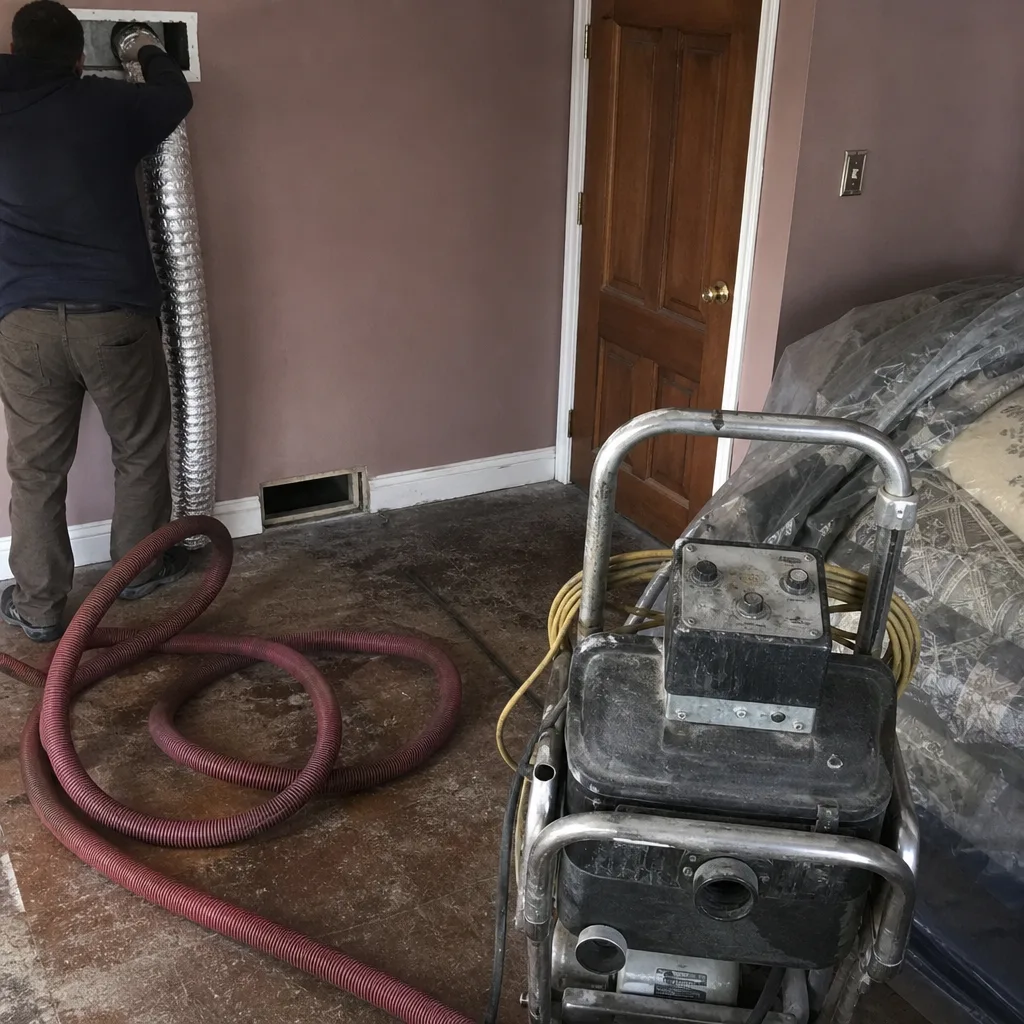 Before
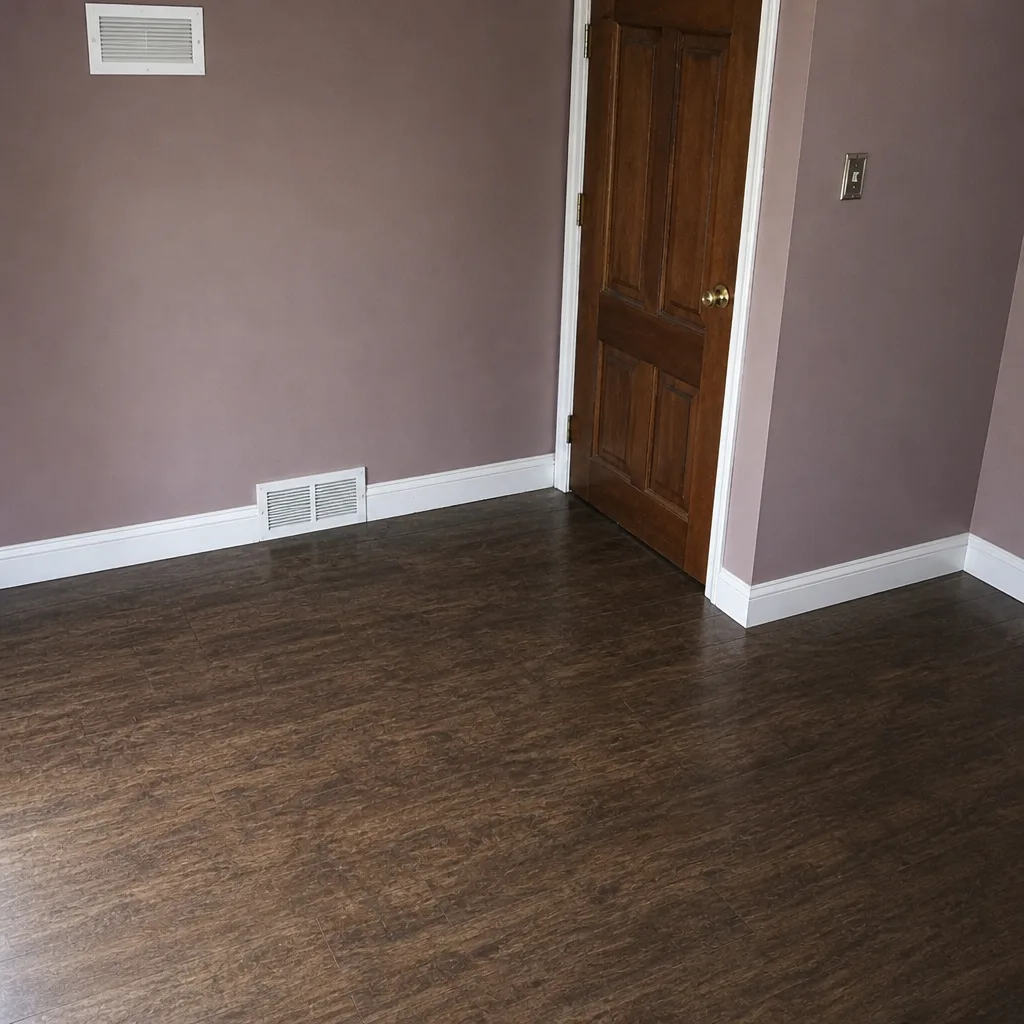 After
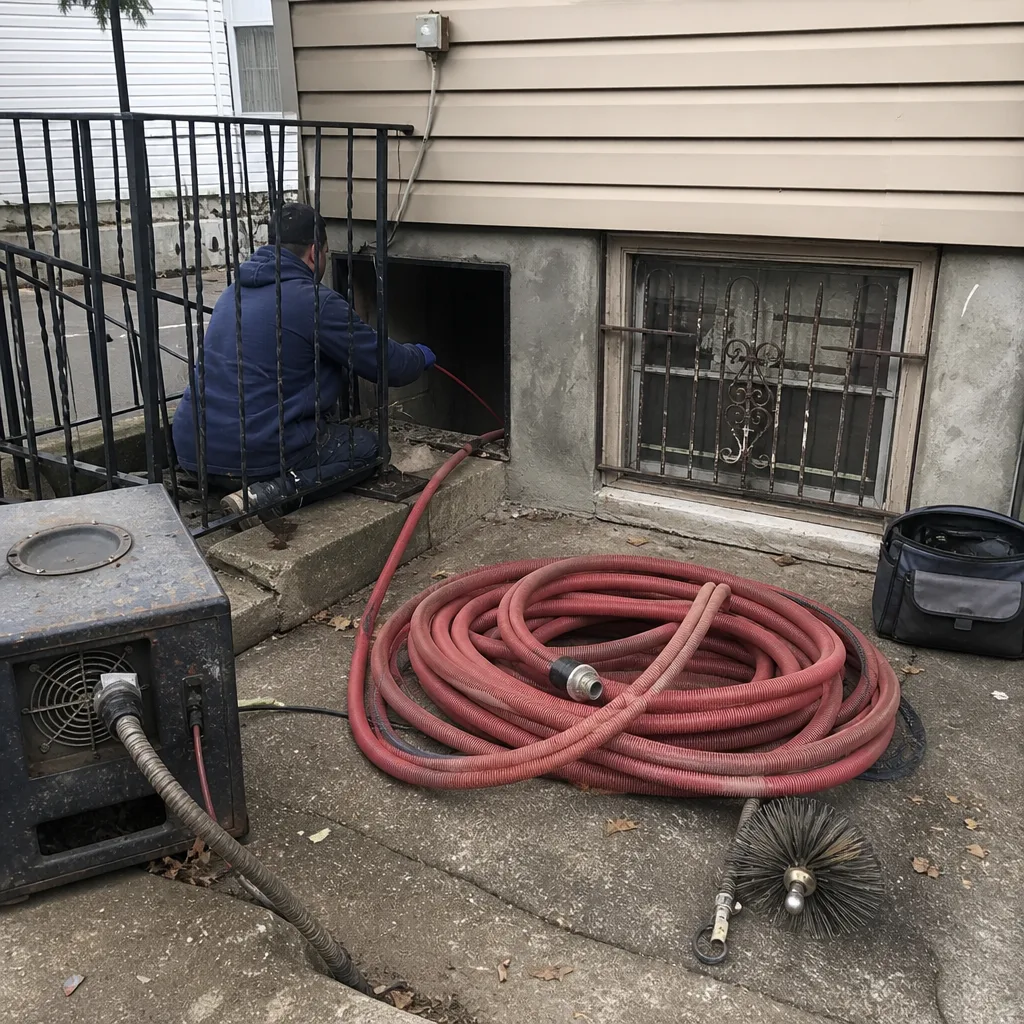 Before
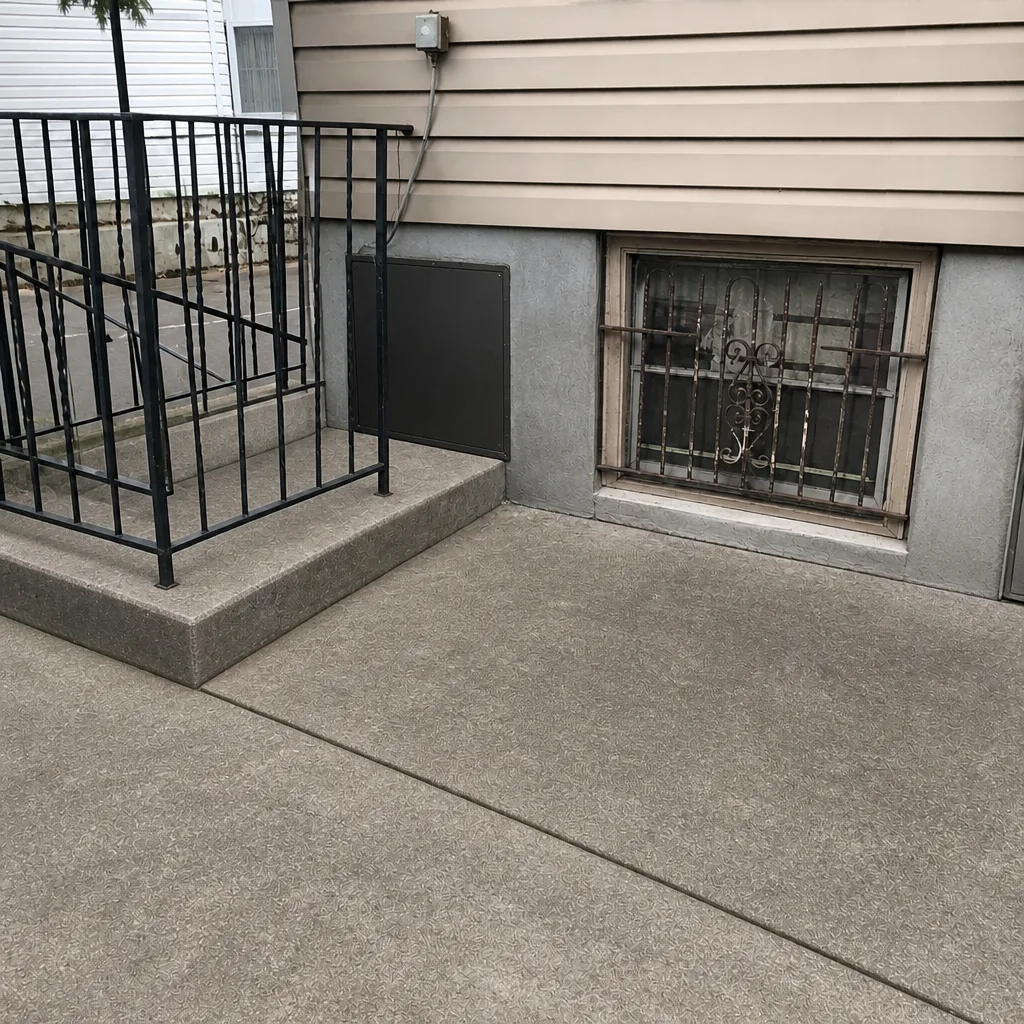 After
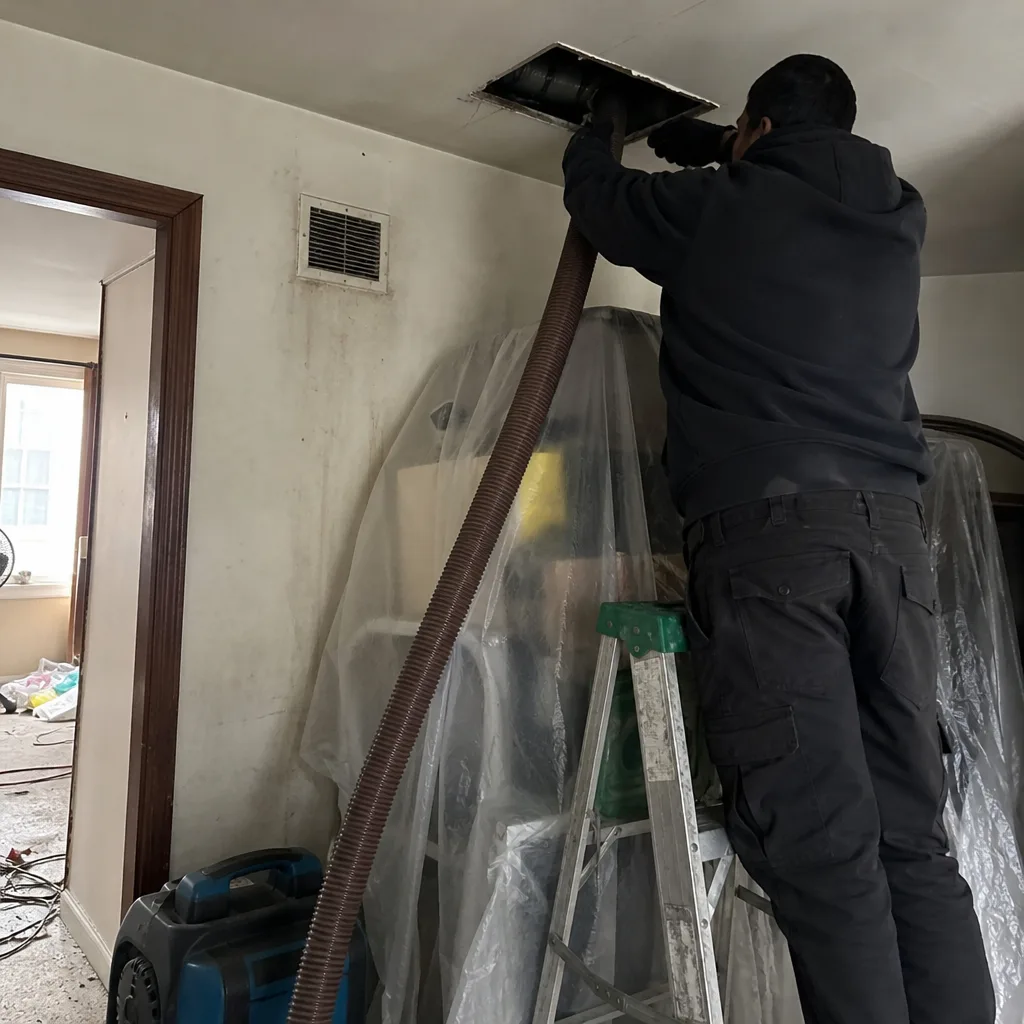 Before
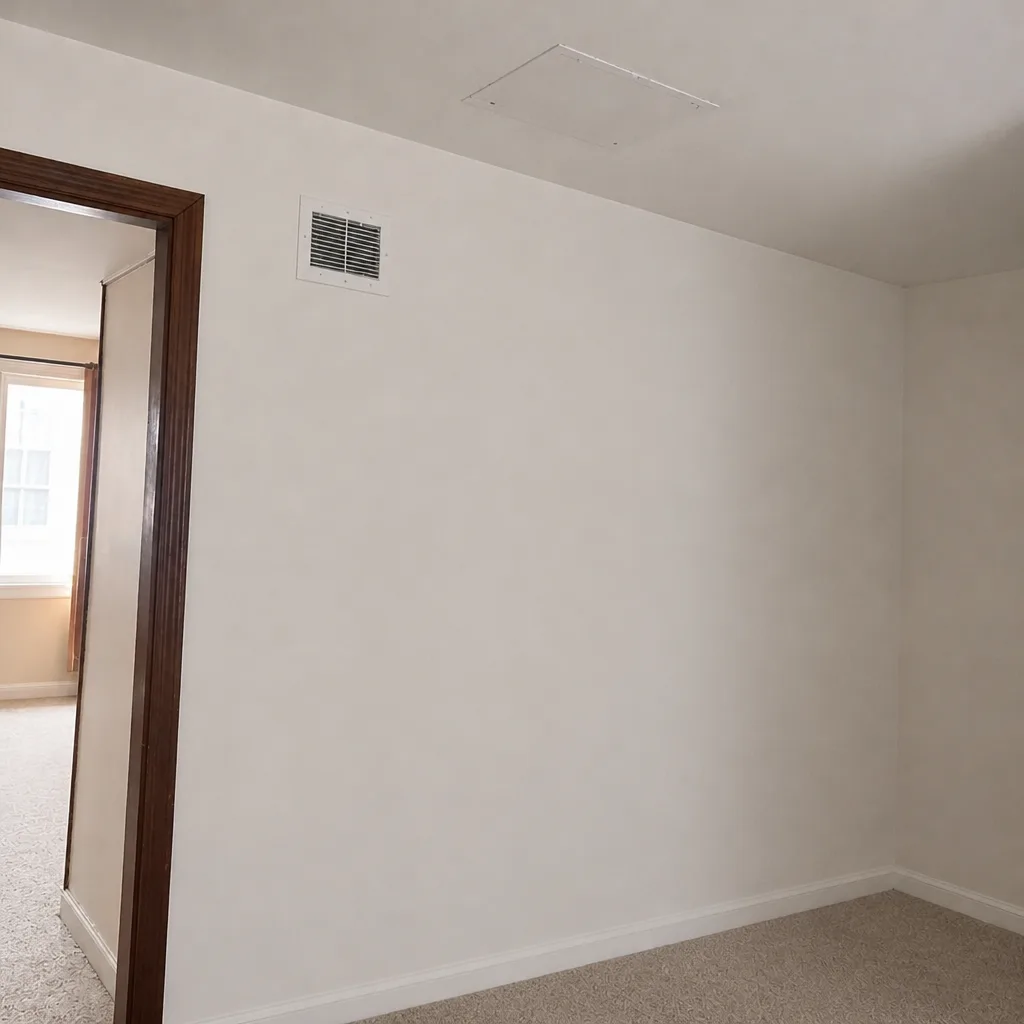 After
When to Call a Professional
Call a professional if you’ve noticed a musty smell that persists after a filter change, uneven airflow between rooms, visible debris blowing out of a supply register, or dust settling on surfaces faster than it used to. Call if you see discoloration or growth near a supply vent, especially near a cooling coil, or if you can see a disconnected flex joint in a ceiling void. Call if your building predates 1980 and you don’t know what your duct wrap contains. And call if a DIY cleaning left the system no better than it was before, which happens more often than most people admit.
Air Duct Cleaning Borough Park offers free estimates in Borough Park. Call (855) 337-2070. We answer 24/7. Fast dispatch from 7am to 7pm, Sunday through Friday. Five service lines under one roof means one visit can cover the full system, from the duct opening to the air handler. Our technicians have up to 12 years of experience, and the local pro is licensed and insured as the state requires.
Frequently Asked Questions
Yes, for a limited scope: a single accessible register after renovation, the dryer vent lint behind the dryer, and the filter housing. A consumer kit and shop vac reach roughly the first 18 inches of duct from each opening, which is a small fraction of the total surface area. Anything past the first elbow needs professional equipment to do properly. Call (855) 337-2070 for an exact quote – estimates are free.
It can, yes, if it disturbs a mold colony or pushes debris into the air handler. Brushing loosens dust, but without negative pressure on the system, loosened particles can settle further downstream or be drawn into the blower and coil. If you’ve had allergy flare-ups that started or worsened after a cleaning attempt, have the system assessed. Call (855) 337-2070 for an exact quote – estimates are free.
A shop vac is a consumer vacuum with limited suction and no way to hold negative pressure on your duct system. Rotobrush is a rotary brush system paired with a HEPA-filtered vacuum like Nikro’s, which agitates debris and captures it at the same time. The difference is reach and containment, not brand preference. Call (855) 337-2070 for an exact quote – estimates are free.
Probably not on pre-1980 buildings without checking the wrap first. Some older duct wrap and duct board contains asbestos, and a spinning brush will disturb friable material. Ceiling void access also varies widely in a three-family Borough Park building. When in doubt, don’t put a brush in it. Call (855) 337-2070 for an exact quote – estimates are free.
Most homes can go several years between full cleanings if the filter is changed on schedule, registers are sealed, and return paths are clear. Homes with pets, recent renovations, or visible dust issues may need it sooner. There’s no universal schedule; the right interval depends on what your assessment finds. Call (855) 337-2070 for an exact quote – estimates are free.
Sealing closes the leaks that let dust and cavity air into the system, so it’s usually the higher-value step. Sanitizing is for biological contamination that cleaning alone won’t address. Both are separate services, and both matter if your ducts have visible growth or your home has had a persistent dust or smell issue. Call (855) 337-2070 for an exact quote – estimates are free.
The Bottom Line
DIY air duct cleaning in Borough Park is a reasonable move for the first foot of each register, the dryer vent lint, and the filter housing. It’s a false economy anywhere else, because a brush without negative pressure pushes as much as it pulls and leaves 90% of the system untouched. The professional path is one flat price per system, agreed before work starts, with before-and-after photos and repair and sealing included in the equation. If you’ve done the DIY version and want to know what it missed, or you’ve skipped cleaning for years and want an honest assessment, our team can give you one.
Ready to stop guessing? Call (855) 337-2070 for a free estimate. We answer 24/7. Fast dispatch from 7am to 7pm, Sunday through Friday.
Written by the team at Air Duct Cleaning Borough Park.