
Last updated November 22, 2026
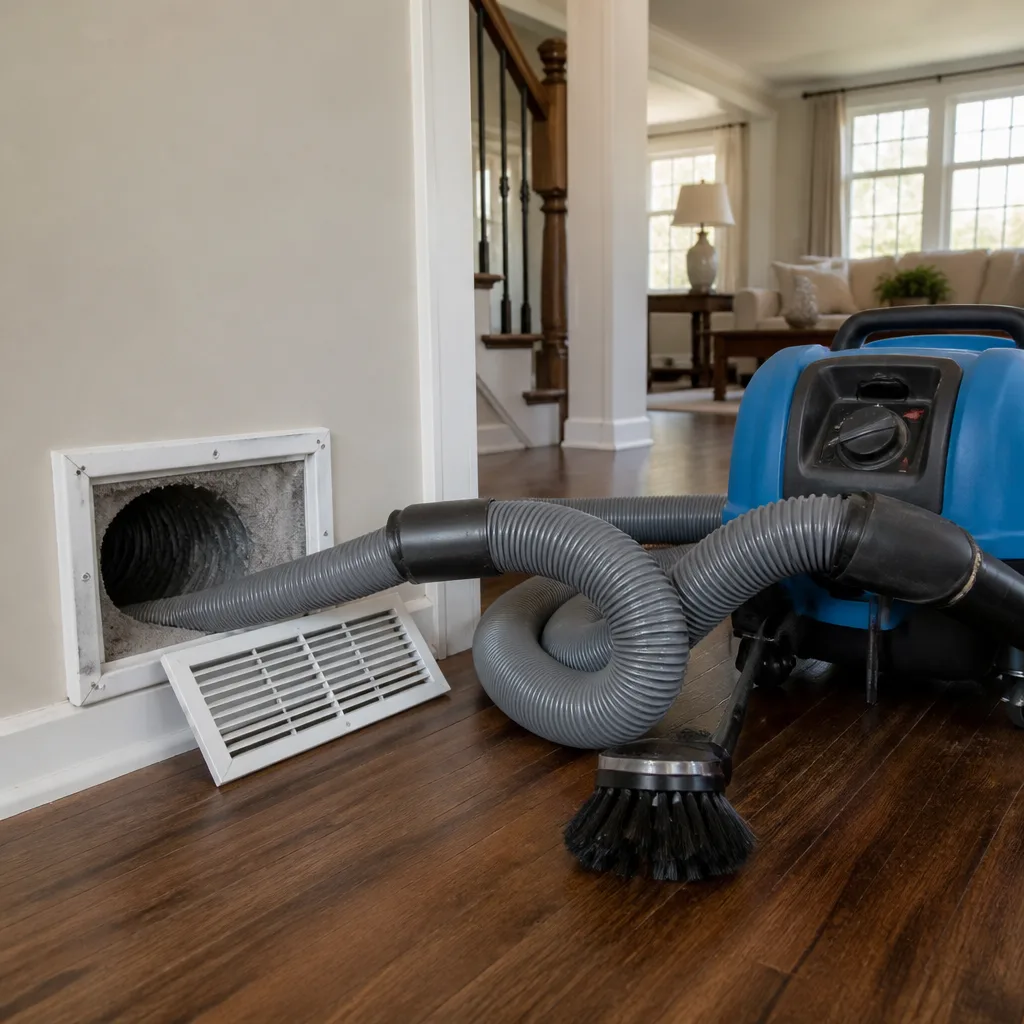 Whole-home duct cleaning
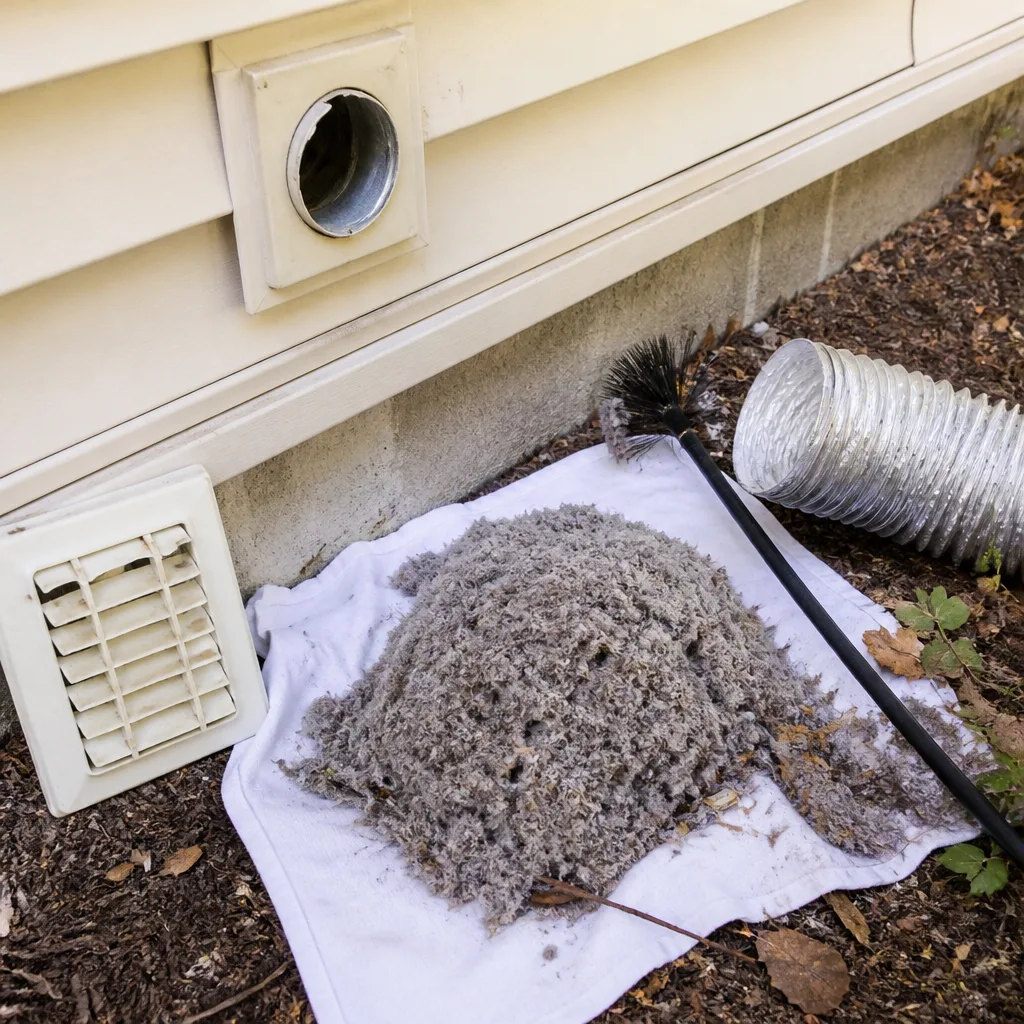 Dryer vent cleaning
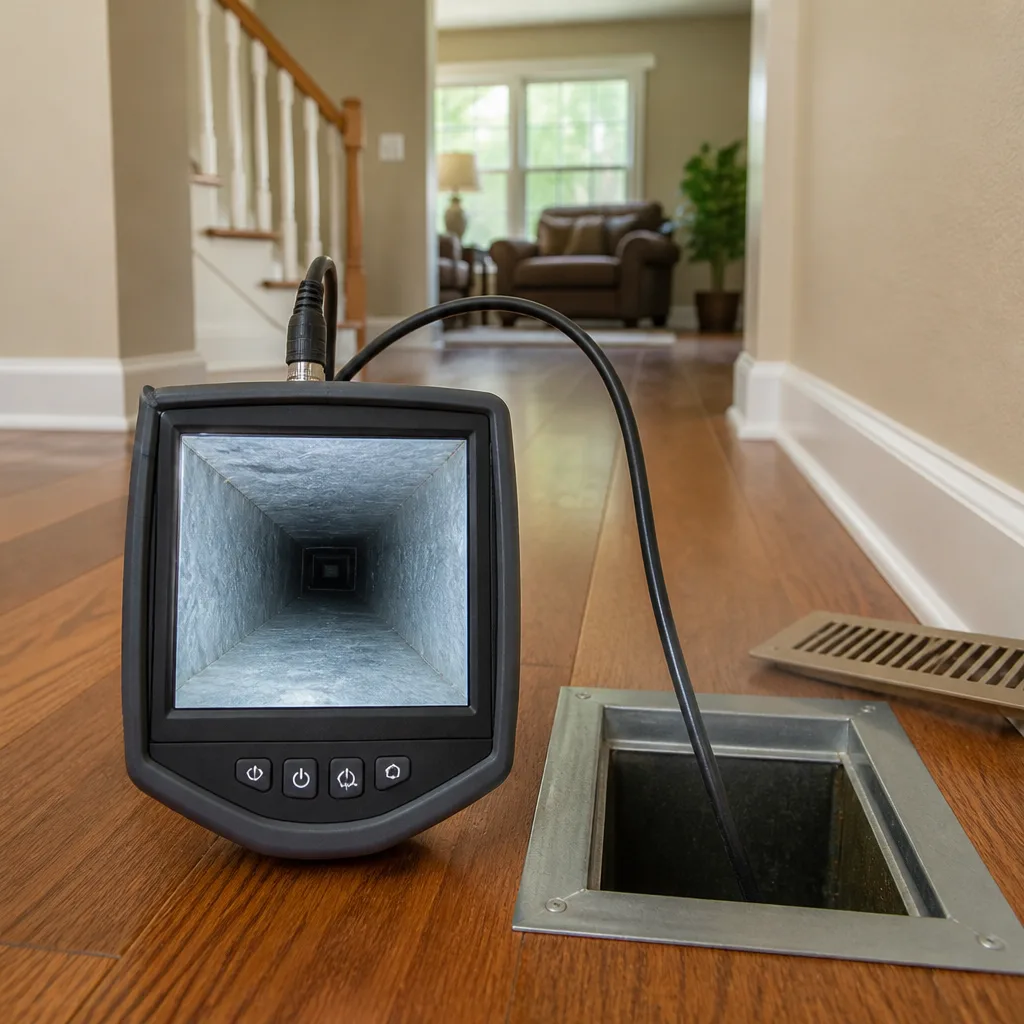 Camera inspection
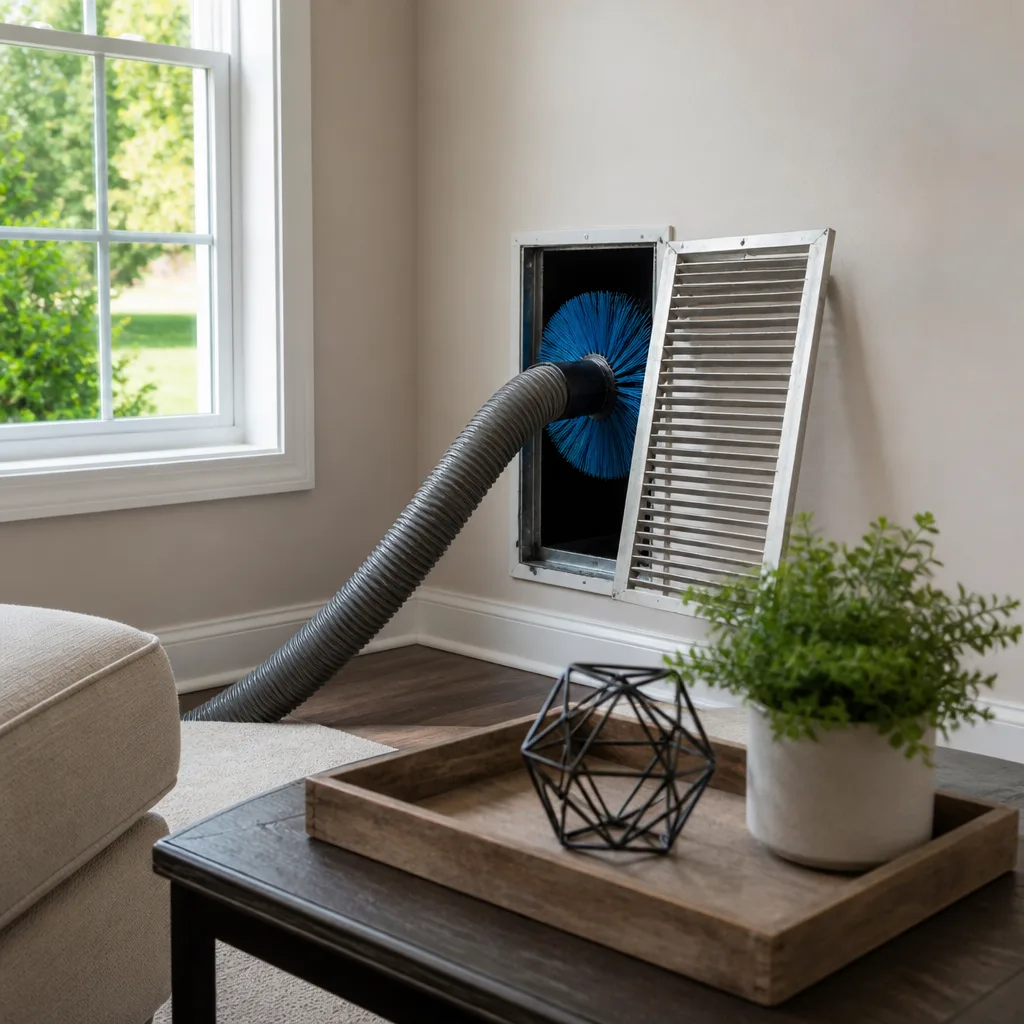 Sanitizing & deodorizing
Whole-system duct and dryer vent check with before-and-after photos - you see exactly what came out of your vents
That "$99 whole-house special" is a bait ad - the real number appears once they are in your hallway, or the "clean" is a shop-vac at the register. We photograph the inside of your ducts before and after instead.
Air Duct Cleaning Permits, Codes & Inspections in Borough Park, NY: What You Need to Know
No permit is required to clean your ducts. But if the technician finds disconnected ductwork inside a wall cavity and reconnects it, that’s a repair in a concealed space, and in New York City that distinction matters to the Department of Buildings. This is the line most Borough Park homeowners never hear about until an inspector or a co-op board asks a question nobody can answer. Cleaning is maintenance. Repair inside a wall, new duct runs, and air handler work can cross into permitted mechanical work with a licensed contractor attached. This guide walks through the NYC permit thresholds, Local Law 97 and energy code effects on sealing work, what a Certificate of Occupancy means when you sell, and how to check what’s already on file for your building before you hire anyone.
Quick Answer
Routine air duct cleaning does not require an NYC DOB permit. Duct repair inside a concealed space, new or extended duct runs, and work that alters your air handler or its electrical connection can require a licensed contractor and a permit. Buildings constructed before 1980 may have duct insulation containing asbestos, which must be identified and handled under abatement rules before any cleaning disturbs it. Always check the DOB BIS record for your building first.
Styles & brands we work with
- Whole-home duct cleaning
- Dryer vent cleaning
- Camera inspection
- Sanitizing & deodorizing
Table of Contents
- Where Duct Cleaning Ends and Permitted Mechanical Work Begins
- NYC DOB Permit Thresholds for Duct and Air Handler Work
- How Local Law 97 and the Energy Code Affect Duct Sealing
- What Borough Park’s Brick Buildings and Steam Heat Mean for Ducts
- Certificates of Occupancy and Selling a Co-op or Condo in Borough Park
- Asbestos in Pre-1980 Duct Insulation: The Rule Before Cleaning
- How to Run a DOB BIS Record Check Before You Hire Anyone
- What an Inspection Actually Looks At
Where Duct Cleaning Ends and Permitted Mechanical Work Begins
The dividing line is simple to state and easy to blur in practice: cleaning removes debris from ductwork that already exists, and mechanical work alters the system’s structure, routing or equipment. Cleaning a supply run, brushing a return plenum, pulling lint from a dryer vent, or vacuuming the air handler cabinet all sit on the maintenance side. Opening a wall to reconnect a run, cutting a new register into a room, replacing a section of rigid duct, or swapping out an air handler sits on the construction side.
Why does the distinction matter in a Borough Park apartment? Because a lot of what a thorough cleaning turns up is not dirt. It’s ductwork held together with foil tape that has dried out, sections that pulled apart at a joint, or flex duct crushed behind a soffit. We’ve seen plenty of cases where the honest answer to “can you just clean it” is no, not until the run is reconnected. That reconnect is a repair.
Three questions separate the two categories:
- Does the work change the shape, route or size of the duct system? If yes, it’s mechanical work, not cleaning.
- Does the work require opening a wall, ceiling or floor assembly to reach the duct? If yes, it’s a concealed-space repair and needs a closer look at permit rules.
- Does the work touch the air handler, its electrical supply, or the gas line serving a furnace? If yes, a licensed trade should be involved.
If the answer to all three is no, you’re looking at maintenance. Call it what it is and keep it simple. Our Air Duct Cleaning Borough Park page covers the cleaning side in detail. The rest of this guide covers what happens when a cleaning uncovers something bigger.
NYC DOB Permit Thresholds for Duct and Air Handler Work
New York City’s building code treats duct systems as part of the building’s mechanical systems, and the Department of Buildings sets permit requirements accordingly. Routine cleaning, sanitizing and sealing of accessible duct joints generally fall below the permit line. Work that installs, extends, alters or replaces ductwork or associated mechanical equipment generally does not. Damper installation, new exhaust runs, and air handler replacements are the usual triggers.
When a permit is required, a licensed contractor files the application, and the work gets inspected before it’s signed off. That’s the piece homeowners most often miss. A cleaning crew that reconnects ductwork without filing anything isn’t necessarily doing something wrong, if the work truly stays below the threshold. But if they cut into a wall, add a run, or move a plenum, someone needs to have filed.
Practical signals that you should stop and ask questions:
- A technician proposes cutting a new opening in a wall or ceiling for ventilation.
- The plan involves replacing a section of rigid duct rather than reconnecting a joint.
- The air handler is being swapped, relocated or rewired.
- A gas-fired furnace’s flue or gas supply is being touched, which pulls in separate licensing requirements.
- The job is described as “upgrading” your system rather than cleaning it.
For work that stays on the maintenance side, you don’t need the DOB in the picture. Cleaning, sealing accessible joints with mastic or code-approved tape, and sanitizing duct interiors all fall there. If you’re not sure which side a specific job lands on, ask the contractor to put in writing whether a permit will be filed. That request alone tells you a lot about who you’re dealing with.
How Local Law 97 and the Energy Code Affect Duct Sealing
Local Law 97 sets carbon emission limits for larger buildings in New York City, and it has pushed building owners across Borough Park to look hard at where energy is escaping. Leaky ductwork in a heated apartment is one of those places. Sealing duct joints, insulating runs that pass through unconditioned space, and closing the gaps around a plenum are exactly the kind of small-ticket improvements that show up in an energy audit. They’re also the kind of work that sits below the permit line when done on accessible ductwork and inside existing chases.
New York’s energy code adds a second layer. Duct systems that pass through unconditioned spaces are expected to be sealed and insulated to specified standards during construction or major renovation. For an existing apartment, that requirement doesn’t retroactively fire just because you had the ducts cleaned. But if your building is planning a renovation, or your co-op is commissioning work on common systems, that’s when the code applies directly.
Where homeowners get tripped up is treating sealing as part of the cleaning package with no oversight. Sealing accessible joints is maintenance. Tearing open a ceiling to wrap a duct in a hallway or chase is construction, and that’s when the energy code, permit rules, and building management all enter the conversation.
In our experience, the cleaner move is to combine the two when the ducts are already open: clean first, then seal what’s leaking, then verify. Our air duct cleaning service is built that way, and duct repair and sealing sits alongside it as a separate capability, so a joint that’s come apart gets fixed instead of taped over and forgotten.
What Borough Park’s Brick Buildings and Steam Heat Mean for Ducts
Most Borough Park housing stock runs to older brick apartment buildings and attached row houses, and that shapes how ductwork lives in these buildings. Many apartments here were heated by radiators or steam risers for most of their lives, with ducts added later or limited to kitchen and bath exhaust. Where ducts do exist, they’re often short runs tucked into soffits, chases and closet corners. That’s a different layout from a suburban house with a full basement distribution system, and it changes what a duct cleaning in Borough Park actually involves.
The short, tight runs matter for a few reasons:
- Access is the whole job. Ducts behind a closet ceiling need an access panel or a small opening before any equipment gets inside. The conversation about who cuts that opening and whether it needs a permit should happen before work starts.
- Joints come apart from settling. Brick buildings settle, and duct joints in older chases are prone to opening up. That’s the repair scenario that pushes a job past cleaning.
- Kitchen and bath exhaust runs are the priority. Grease-laden kitchen exhaust and damp bath exhaust are where air quality problems concentrate. HVAC cleaning work on these short runs is usually where the payoff is.
- Dryer vents run inside walls. In a Borough Park apartment, a dryer vent may travel through a wall a long way before it exits. Lint buildup in that run is a fire concern, not just an efficiency one, and it’s why we treat dryer vent cleaning as its own service with its own safety standards.
Climate plays a smaller role here than in other markets. Borough Park summers run humid enough that a poorly sealed bath exhaust duct will condense moisture inside the run and grow musty smells over years. Winters dry out the air, and gaps around registers show up as draft complaints. Neither of those requires a permit to fix. They do require someone who looks for them.
Certificates of Occupancy and Selling a Co-op or Condo in Borough Park
When you sell a co-op or condo in Borough Park, the buyer’s attorney orders a building record search, and that search includes what the DOB has on file. A Certificate of Occupancy lists the legal use of the building and, where relevant, the approved mechanical systems. If your building has an alteration on file for HVAC work, that document tells everyone that the ductwork in your unit was legally installed and inspected. If no such record exists and you’re selling a unit where ductwork appears to have been added post-construction, expect questions.
The questions usually take one of two forms:
- Was the work permitted? An alteration application with a sign-off in the DOB system answers this. A verbal assurance from a prior owner doesn’t.
- Does the C of O match what’s there? A certificate of occupancy that lists a building as a two-family dwelling but shows three kitchens in the record search invites scrutiny. Ductwork additions get lumped in with that review.
The practical takeaway for anyone selling in Borough Park: pull the DOB record for your building before you list, not after a buyer’s attorney does. If permitted work exists, you have documentation in hand. If it doesn’t and the ductwork in your apartment looks like a later addition, you at least know what questions are coming. This matters most in a market where co-op boards in Borough Park are careful about building alterations, because an unrecorded mechanical change is exactly the kind of thing that slows a closing.
For a building with a clean record and documented HVAC work, none of this is a problem. It only becomes one when nobody can produce a paper trail and a cleaning uncovered evidence of work that nobody remembers filing.
Asbestos in Pre-1980 Duct Insulation: The Rule Before Cleaning
Ductwork installed before 1980 can carry insulated wrapping or internal lining that contains asbestos. In Borough Park’s older apartment buildings, that’s a real consideration, particularly on duct runs inside chases and around furnace plenums. Asbestos-containing material isn’t a problem when it’s intact and undisturbed. Cleaning is disturbance. The rule is that you identify the material before you put equipment into it.
What that means for a homeowner:
- Ask the age of the ductwork before booking cleaning. “We don’t know” is an acceptable answer, but it should prompt a materials check.
- Sample first if the duct insulation looks suspect. A licensed inspector collects a sample, and a lab analyzes it. If the material tests positive, the abatement rules kick in.
- Federally trained abatement contractors are separate from cleaners. A duct cleaning company should not be removing asbestos-containing insulation. That’s a specialized job with its own permitting, containment and disposal requirements.
- A cleaning company that says “asbestos is not a concern in duct cleaning” should raise a flag. It’s a concern whenever you’re touching an unknown material built into an older building.
Two separate federal rules sit behind this: the EPA’s asbestos regulations and OSHA’s worker protection rules for anyone handling the material. In a co-op or condo, the building’s management may also have records from prior surveys. Ask them. A building that’s had an asbestos survey already has an answer, and it’s free to look up.
Where a duct system tests clean, the job proceeds as ordinary cleaning. Where it doesn’t, the abatement contractor goes first, then cleaning happens after clearance. Either way, the sequence matters and it’s not something to skip ahead of.
How to Run a DOB BIS Record Check Before You Hire Anyone
The DOB’s Building Information System (BIS) is publicly searchable, and running a check on your building before you hire a duct cleaner takes about ten minutes. It tells you what mechanical work is already on file, which is exactly the context you want before a technician starts pulling ductwork apart and asking if they can cut into a wall.
The steps:
- Find your building’s address in the DOB BIS search. Go to the DOB’s BIS page and enter the street address and borough.
- Note the block and lot. These identify the property in every DOB record, and your co-op or condo’s management company will have them.
- Pull the job filings on record. Look for mechanical or alteration applications. Each one shows the description, the filing contractor, the permit date and the sign-off status.
- Look for open violations. A violation tied to mechanical work in the building changes what you should ask your contractor before hiring.
- Check the Certificate of Occupancy or Letter of No Objection. This is the building’s legal description and lists what uses and systems are approved.
- Print or screenshot the relevant records. Keep them with your building’s paperwork. If you sell a unit or file a permit yourself later, you’ll want the same records.
If you have the block and lot but not the address, the city’s online property records can connect the two. Your building’s managing agent will also have this information on hand.
Why bother? Because it changes the conversation. If the DOB record shows an alteration filed for HVAC work in your apartment, a contractor proposing more duct retrofit has context to work with. If it shows nothing and your ducts clearly aren’t original to the building, that’s a different conversation and one you want to have before the work, not after.
What an Inspection Actually Looks At
When mechanical work requires a DOB inspection, the inspector is checking that the work matches what was filed and meets code. Duct cleaning itself isn’t inspected, because there’s nothing to inspect once the work is done: the ducts are either clean or they aren’t. Work that has to be signed off by the DOB is the work that changes the structure of your system.
What typically gets looked at in a ductwork installation or alteration inspection:
- Duct material and support. Ducts need to be hung and supported to code, and the material has to be an approved type for the application.
- Sealing at joints and penetrations. Where a duct penetrates a wall, ceiling or fire separation, the penetration needs to be sealed to the correct standard.
- Connections to the air handler. The plenum connection, the filter access, and the electrical connection if anything was rewired.
- Exhaust runs. Bath and kitchen exhaust terminating in the right place and at the right height.
For a co-op or condo, the building’s own engineer or managing agent may also look at the work as part of an alteration agreement. That’s a separate layer from DOB inspection and often more involved, since a building alteration agreement can add conditions about insurance, hours of work, and the owner’s responsibility for any damage.
If your building or a contractor you hire proposes to file an alteration for ductwork, the sequence is straightforward: application, permit, work, inspection, sign-off. The last step is the one to keep on file.
Common Mistakes to Avoid
- Assuming cleaning needs a permit. It doesn’t. Spending extra for a permit you don’t need wastes money; skipping one you do need creates a record problem. Read the job description, not the sales pitch.
- Letting a technician reconnect ductwork inside a wall without asking whether it’s a permitted repair. A wall assembly counts as a concealed space, and reconnect work inside one can shift the job from maintenance to mechanical work.
- Believing a cleaning company that says “we clean and we repair, no paperwork needed.” The cleaning is fine. The repair, depending on what it involves, may not be.
- Skipping the asbestos check in a pre-1980 Borough Park building. Cleaning disturbs old duct insulation. If the insulation predates 1980 and hasn’t been surveyed, get it tested before anybody puts equipment in.
- Finding out what’s on file only when you sell. A co-op board reviewing an alteration agreement has less patience for missing records than you do. Check BIS early.
- Treating Local Law 97 as unrelated to a duct cleaning. Sealing accessible joints is the cheapest energy improvement in an older apartment, and it usually gets skipped because it’s not part of the standard cleaning package.
- Accepting a verbal “all good” from a contractor with no written scope. The written scope is what tells you which parts of the job cross the maintenance line and which don’t.
See the difference
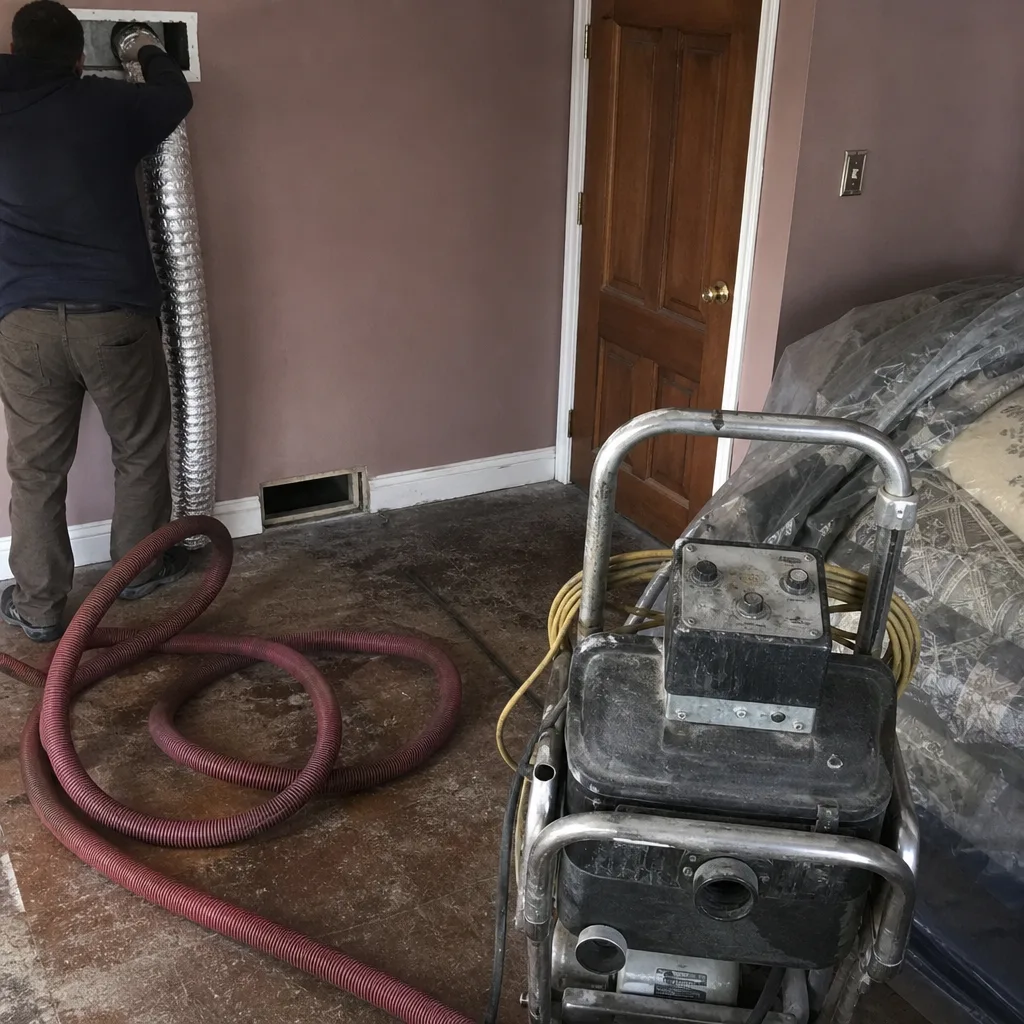 Before
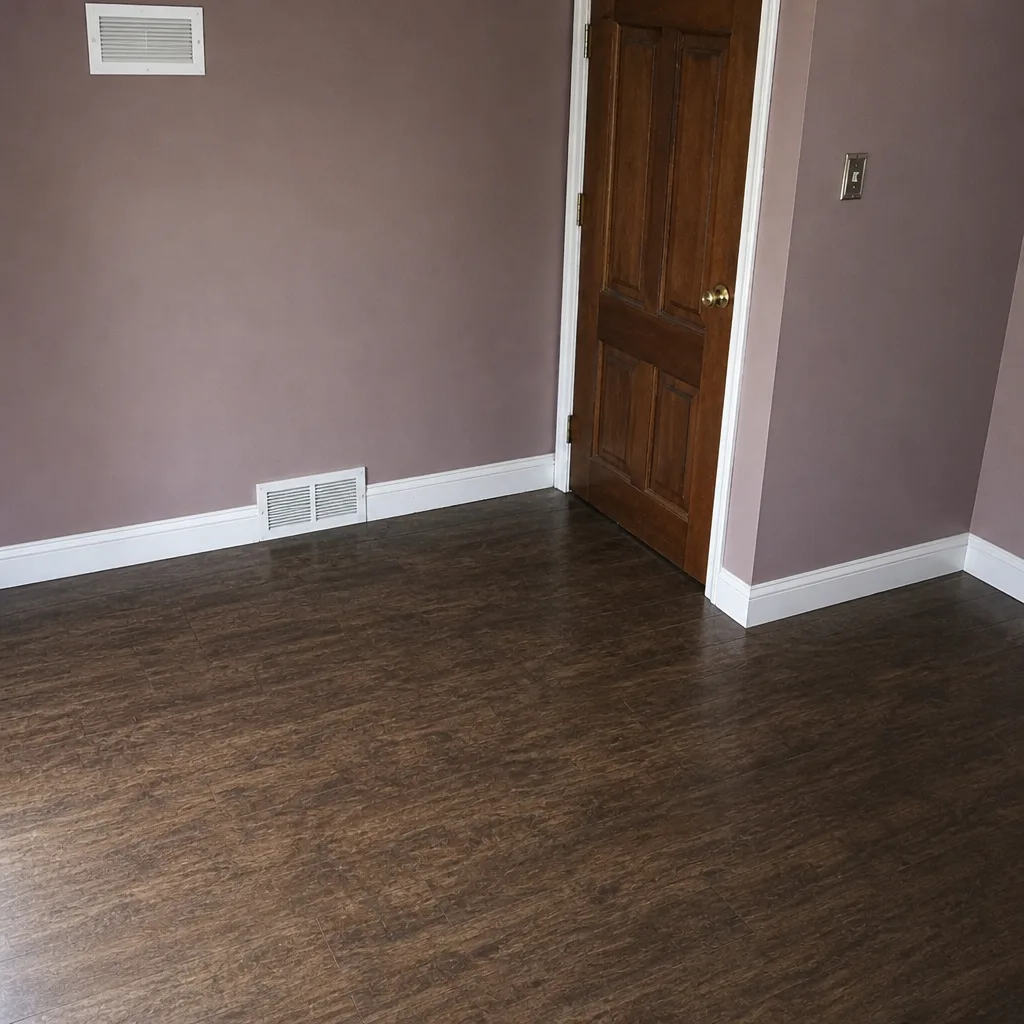 After
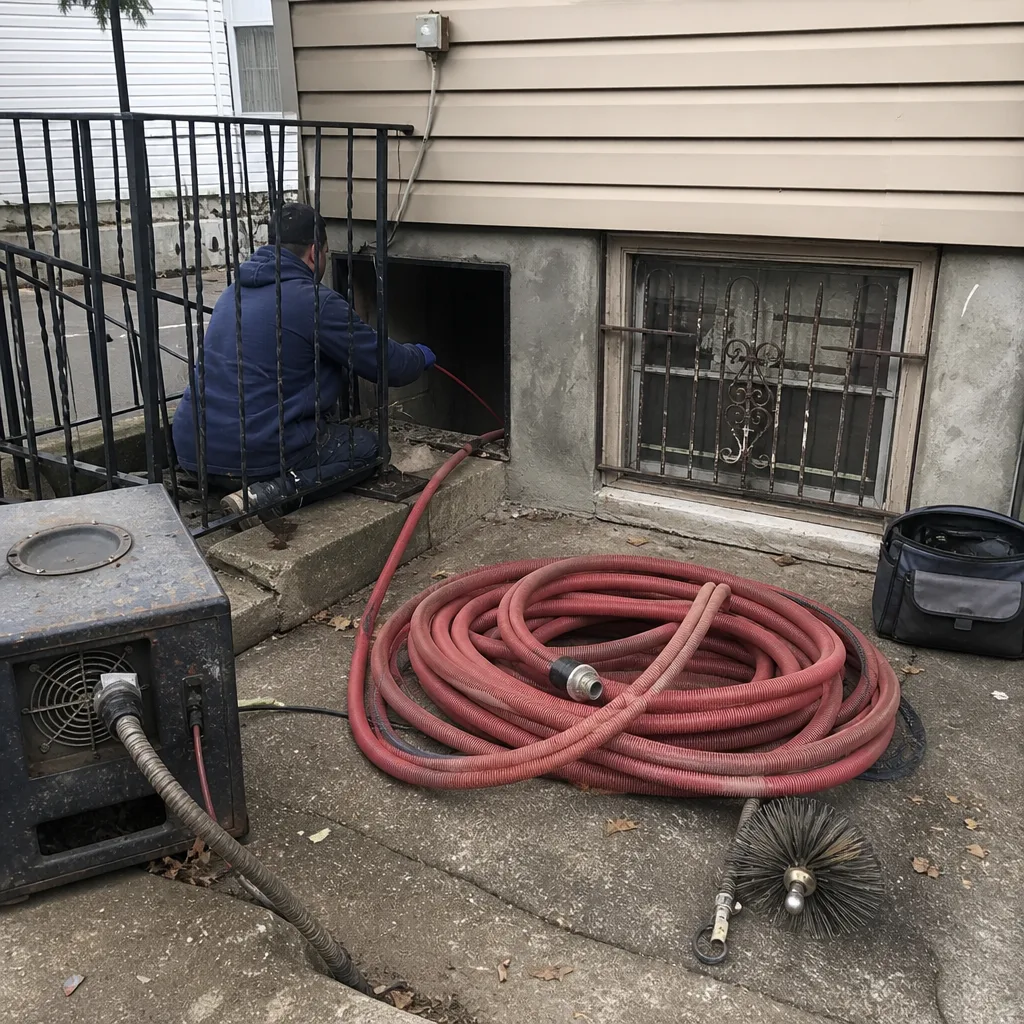 Before
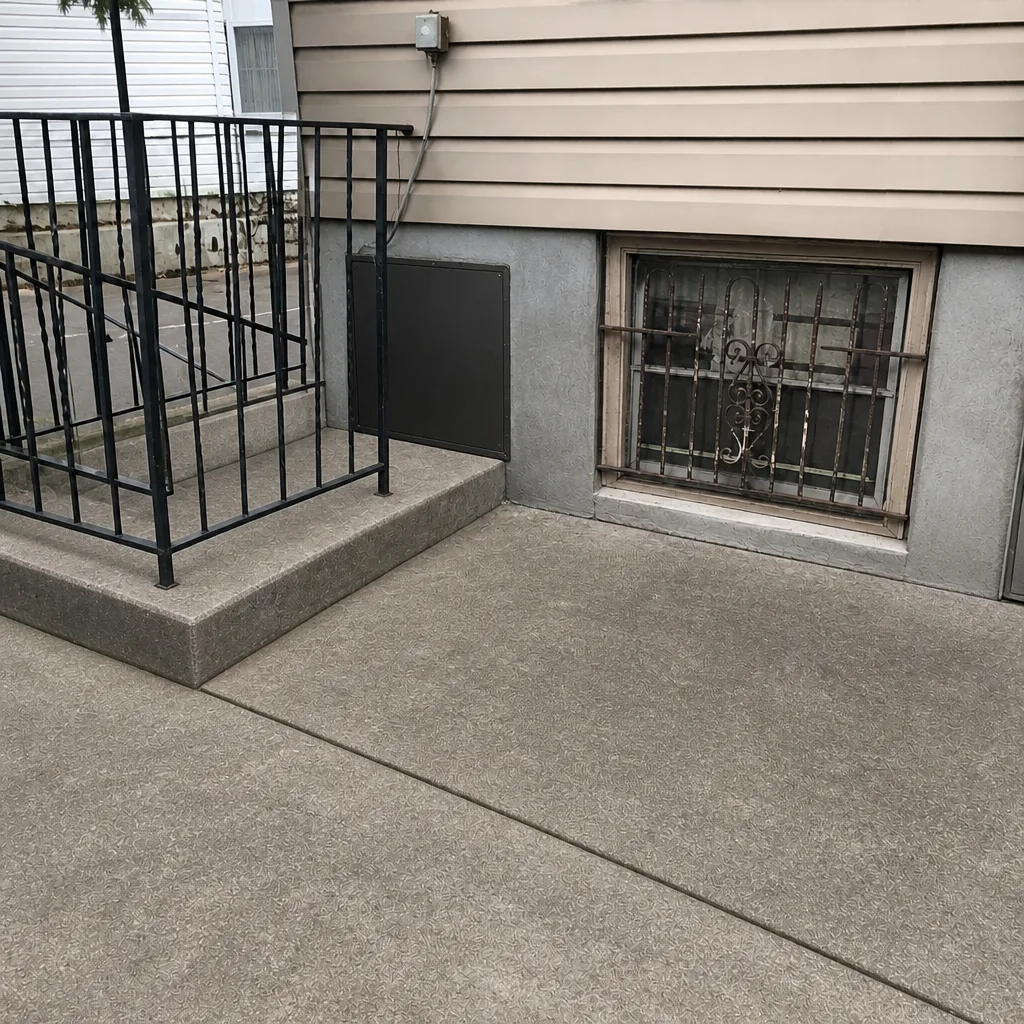 After
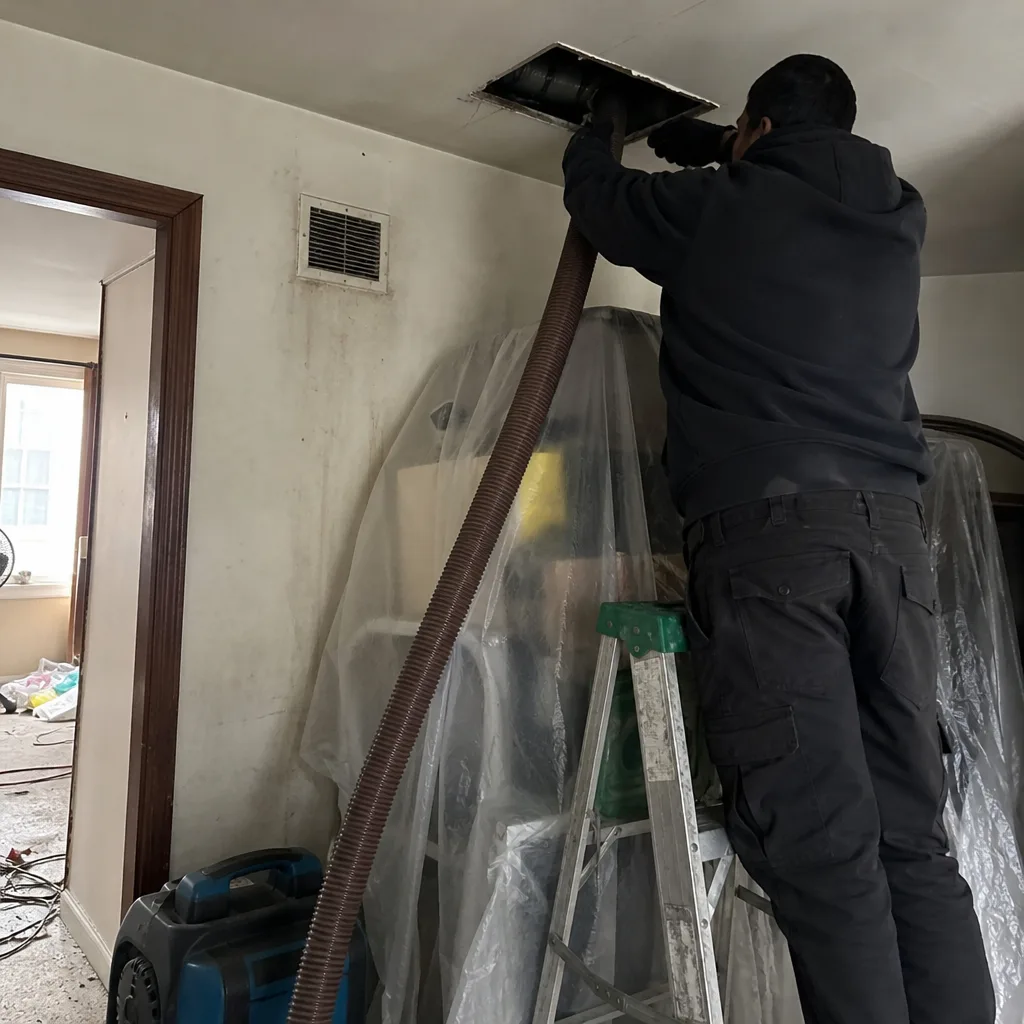 Before
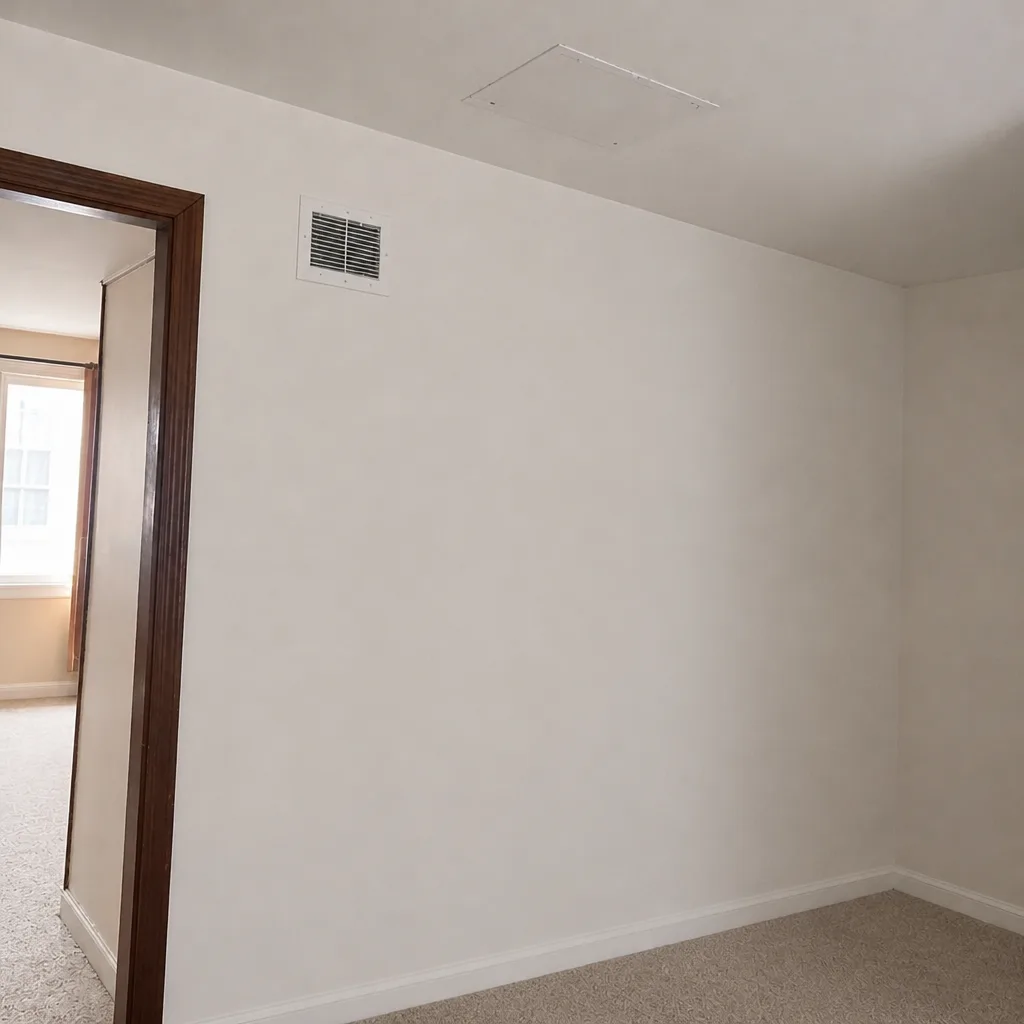 After
When to Call a Professional
Call a professional when the job involves ductwork inside an assembly, an air handler, or anything you don’t want to open yourself. High-tension work on the wrong components of a system, gas connections at a furnace, and electrical work at the air handler all belong in trained hands. A brushed or vacuum-based cleaning of accessible ducts and registers is the piece that gets you most of the way there without touching any of that. When your building is older than 1980, when a duct joint has come apart inside a chase, when a dryer vent runs deep inside a wall, or when the air quality in your apartment has gone downhill without an obvious cause, our team is set up for that whole range of work. Air Duct Cleaning Borough Park offers free estimates in Borough Park. Call (855) 337-2070. We answer 24/7. Fast dispatch from 7am to 7pm, Sunday through Friday.
Frequently Asked Questions
No. Cleaning the interior of existing ductwork is maintenance and does not require an NYC DOB permit. A permit or a filing becomes relevant only when the work crosses into installing, altering or extending ductwork or replacing equipment, and in that case a licensed contractor files it. If you’re not sure what a proposed job includes, ask for it in writing.
It depends on where the sealing happens. Sealing accessible joints with code-approved tape or mastic is maintenance and gets done as part of cleaning. Opening a wall or ceiling to seal ductwork inside a concealed space is closer to construction, and the permit question is worth asking before the ceiling comes down. For a routine seal of what’s reachable, no filing is needed, and the work can be done in the same visit as the cleaning. Call (855) 337-2070 for an exact quote on your specific system. Estimates are free.
Ask whether the duct insulation has been tested for asbestos before any cleaning proceeds. Ductwork installed before 1980 may carry insulated wrapping or lining that contains asbestos, and cleaning disturbs it. If there’s no survey on record, a licensed inspector takes a sample first. Where the material tests clean, the job proceeds normally. Where it doesn’t, abatement by a federally trained contractor comes first.
Use the DOB’s Building Information System (BIS) with your address and borough. Search results list job filings, including mechanical work, with the contractor, filing date and sign-off status. You can also see open violations and the building’s Certificate of Occupancy. The block and lot you’ll need for some city databases come from your co-op or condo management company.
It can. A buyer’s attorney ordering a building record search is looking for documents showing that mechanical systems match what’s in the building’s legal description. If ductwork was retrofitted without a filing and no record exists, expect questions during due diligence. Pull the DOB record yourself before listing so you know what’s on file and can answer the question directly. Ask the managing agent for any alteration agreements tied to your unit as well.
Pricing depends on the size of the system, the number of runs, and whether repair or sealing is part of the visit, so a written estimate after an inspection is the only honest number. What we do flatly: one price per system agreed before work starts, no per-vent pricing, and before-and-after photos of your own ducts so the work is verifiable. Cheap quotes that turn into bigger invoices mid-job are the industry’s worst habit, and the way around them is a written scope before anyone starts. Call (855) 337-2070 for an exact quote. Estimates are free.
The Bottom Line
Cleaning your ducts is maintenance, and no DOB permit is involved. Repair inside a wall, new ductwork, air handler replacement and asbestos abatement are separate categories with separate rules, and Borough Park’s older buildings make those categories show up more often than you’d expect. Check the BIS record for your building before you hire, ask about asbestos if the duct insulation predates 1980, and put the scope of work in writing. The permit question is answerable. It’s just that the answer depends on what the cleaning turns up, and that’s something you should know going in.
Air Duct Cleaning Borough Park works with Rotobrush rotary brush systems and Nikro HEPA vacuums, and pairs cleaning with duct repair and sealing so a joint that’s come apart gets fixed correctly instead of taped over. We use professional air duct cleaning equipment, line up Aprilaire and Honeywell air quality components when whole-home filtration is part of the fix, and bring in Abatement Technologies equipment where remediation-grade capture is needed. For a free estimate on your system, call (855) 337-2070. We answer 24/7. Fast dispatch from 7am to 7pm, Sunday through Friday.
Written by the team at Air Duct Cleaning Borough Park.