
Last updated November 22, 2026
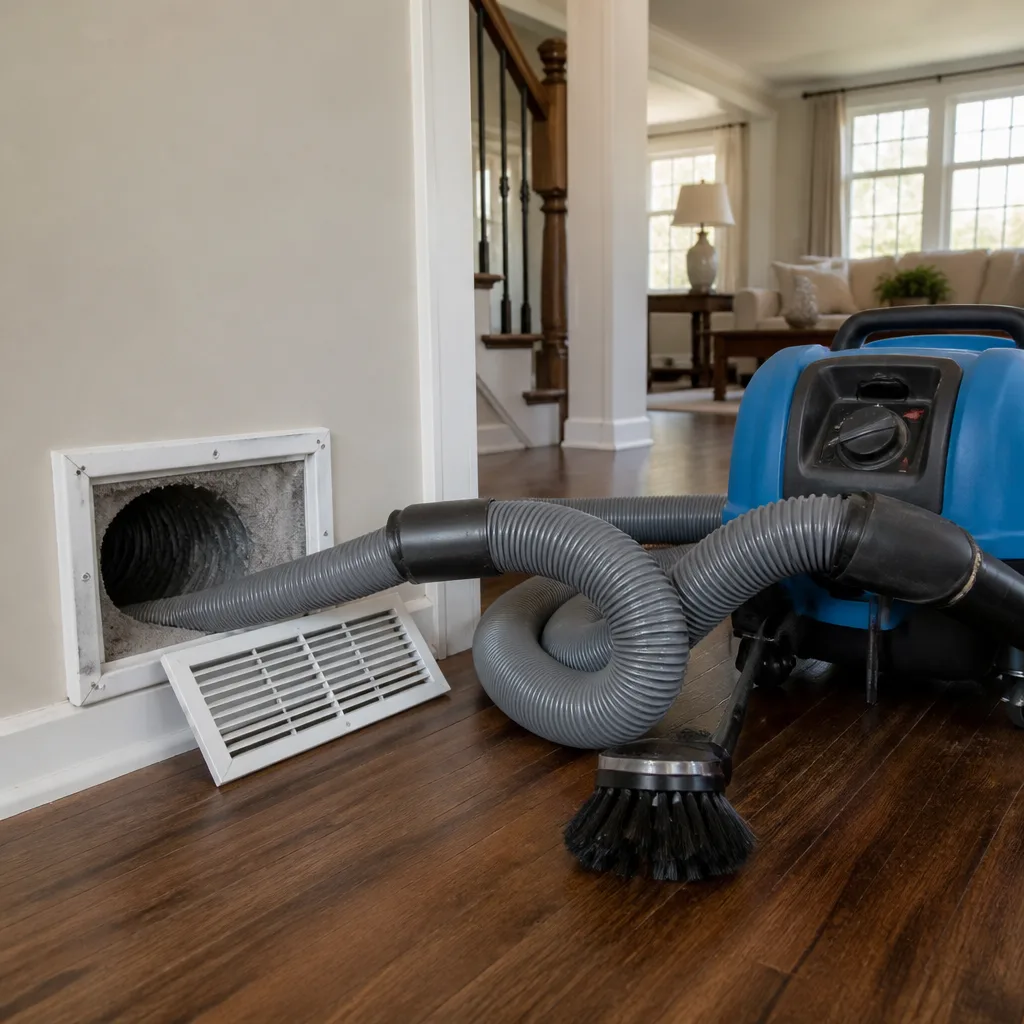 Whole-home duct cleaning
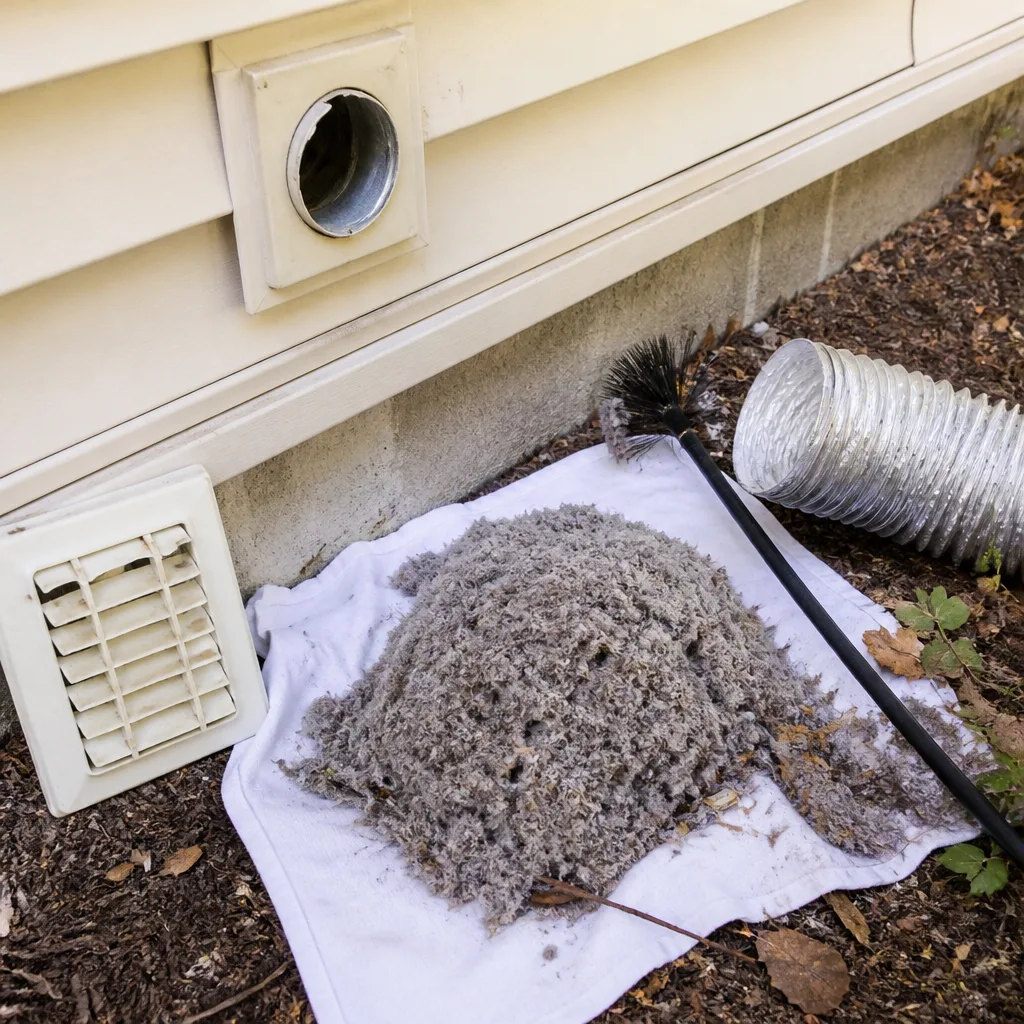 Dryer vent cleaning
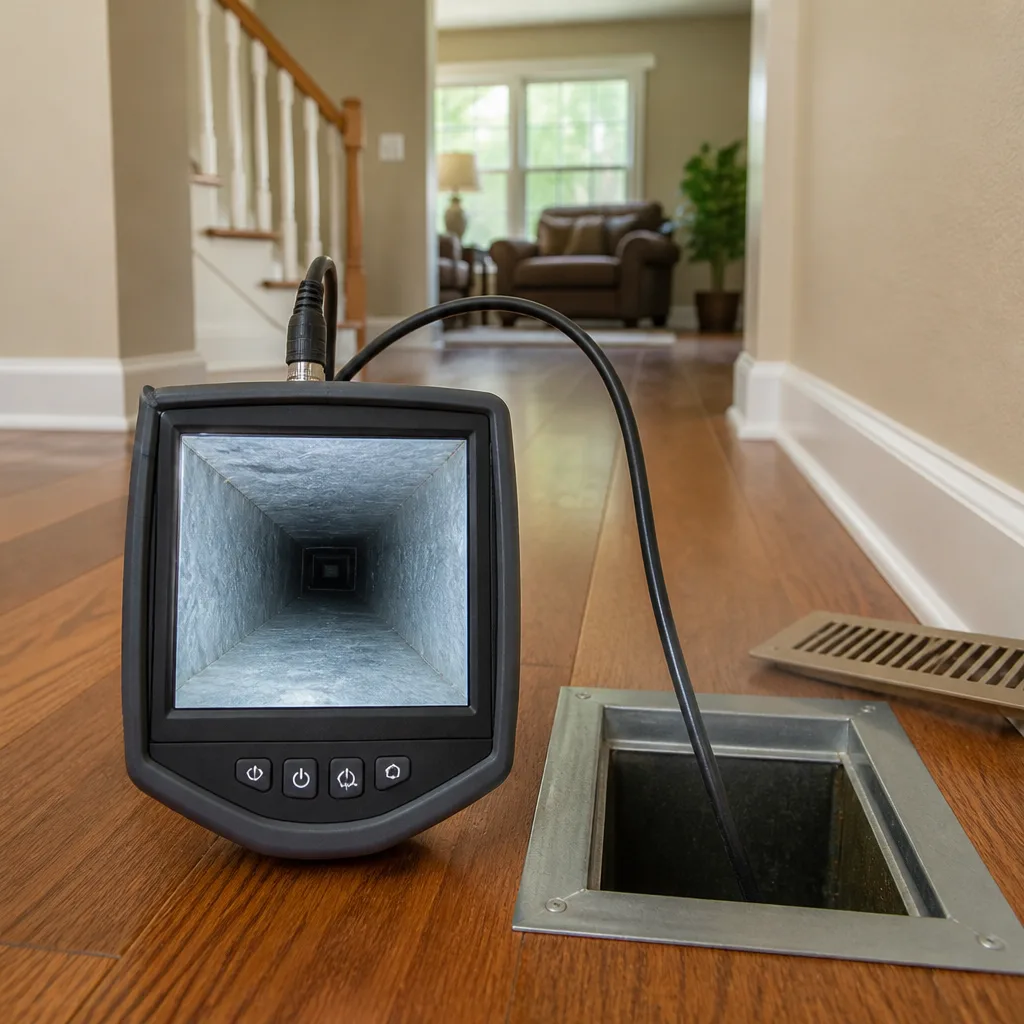 Camera inspection
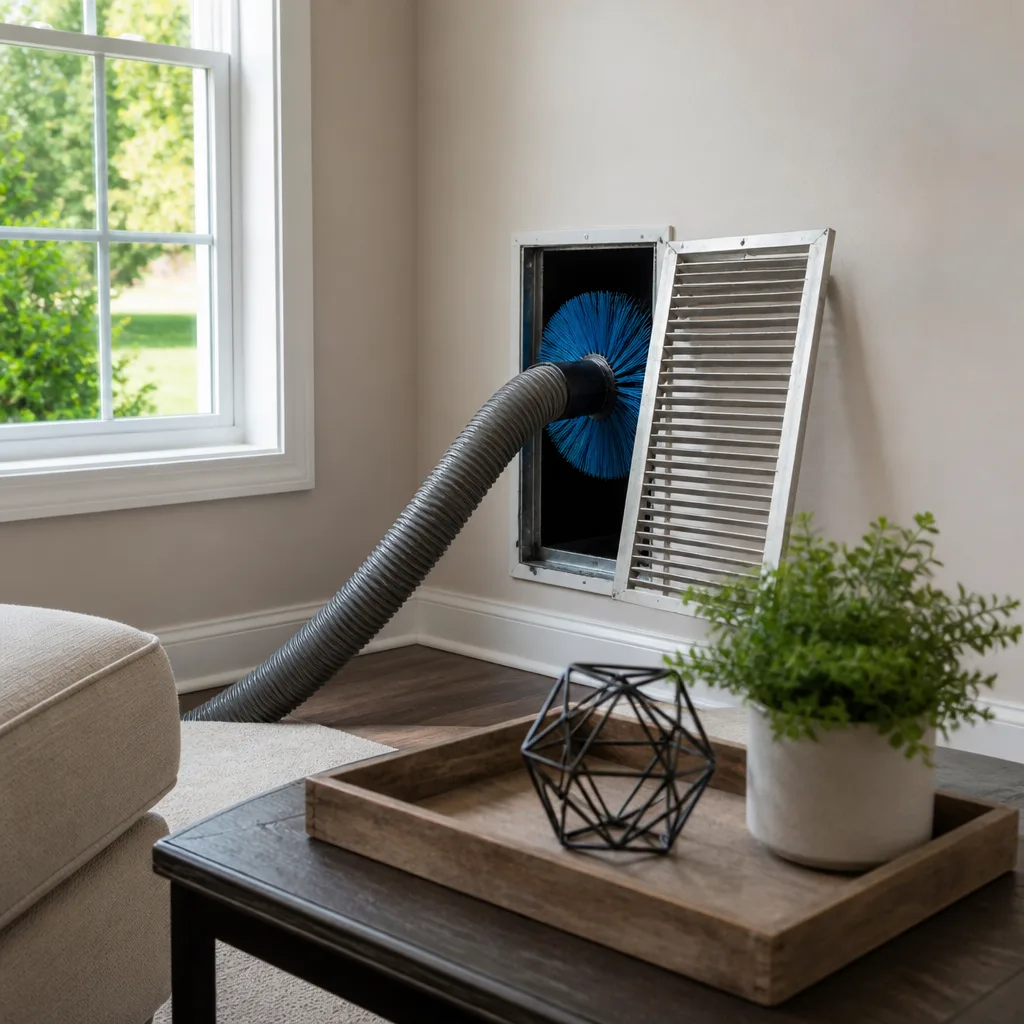 Sanitizing & deodorizing
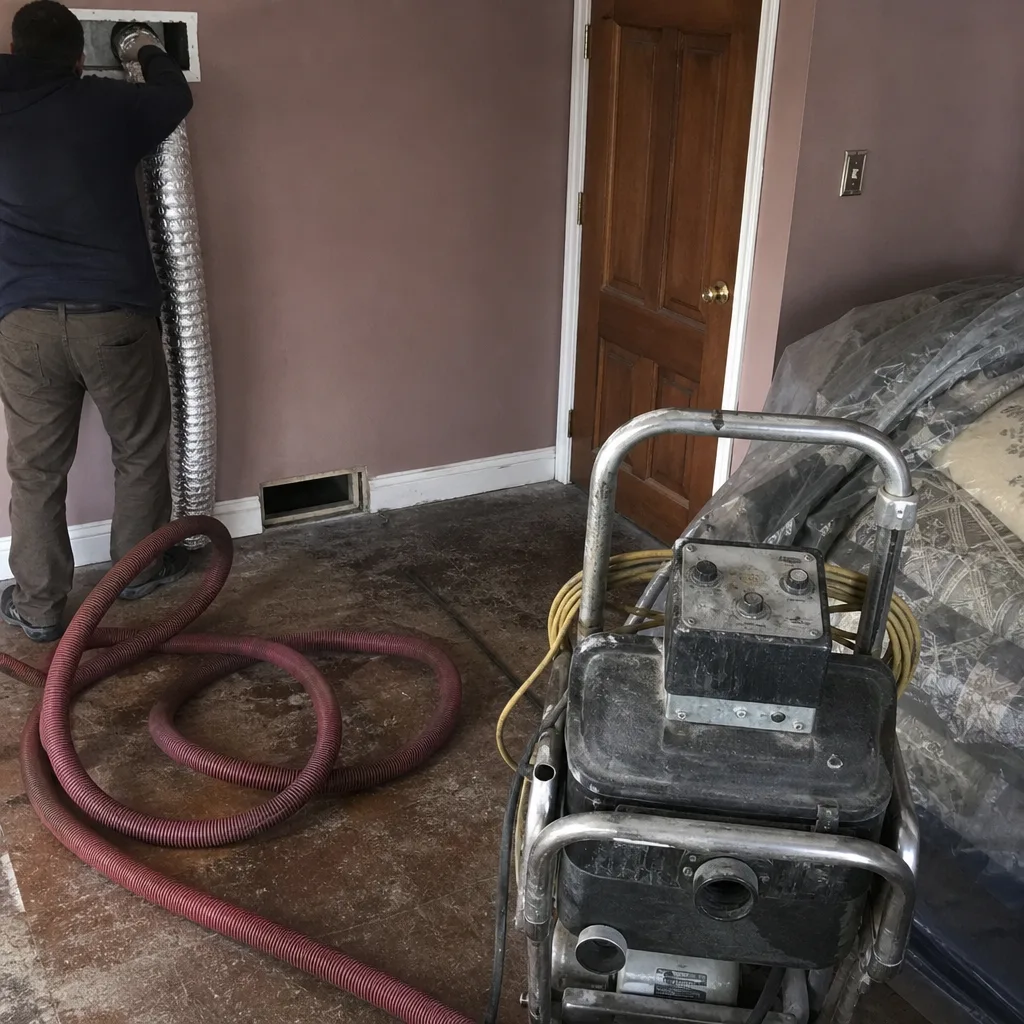
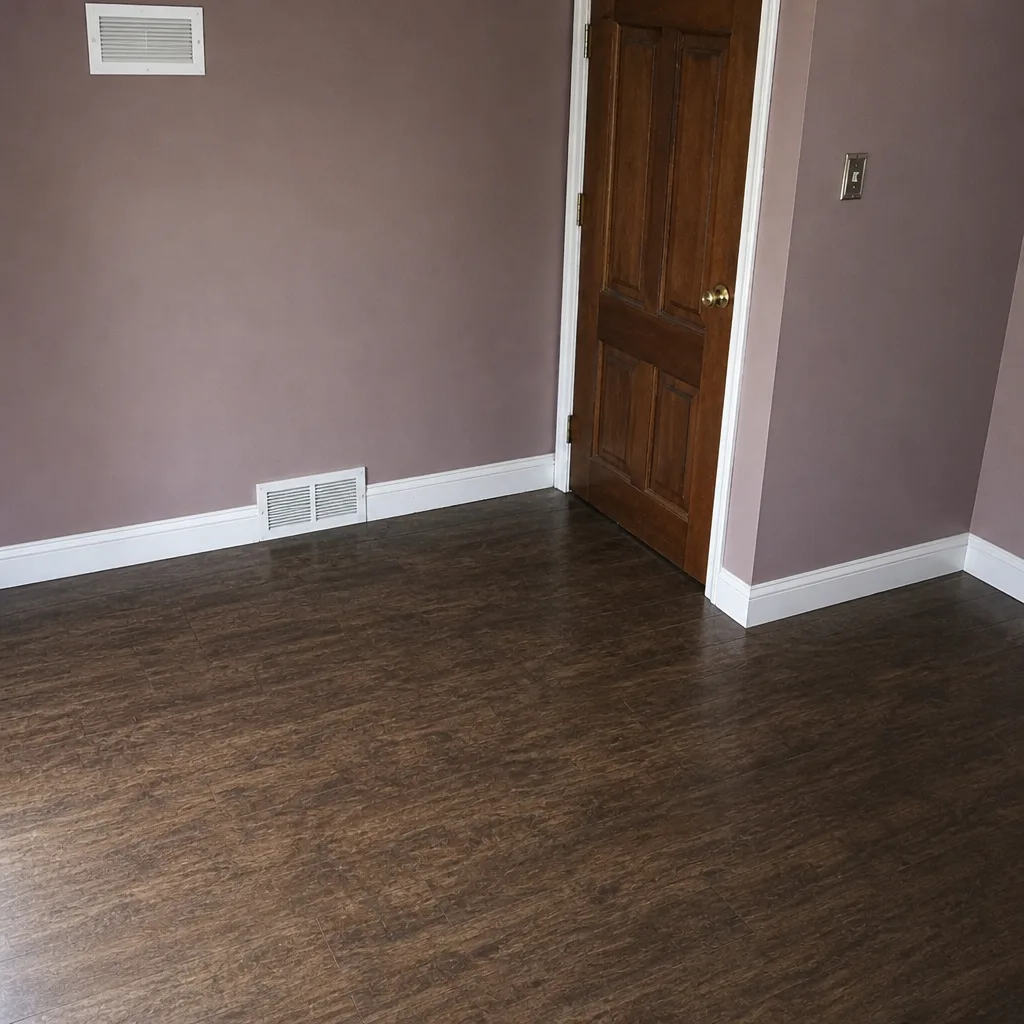
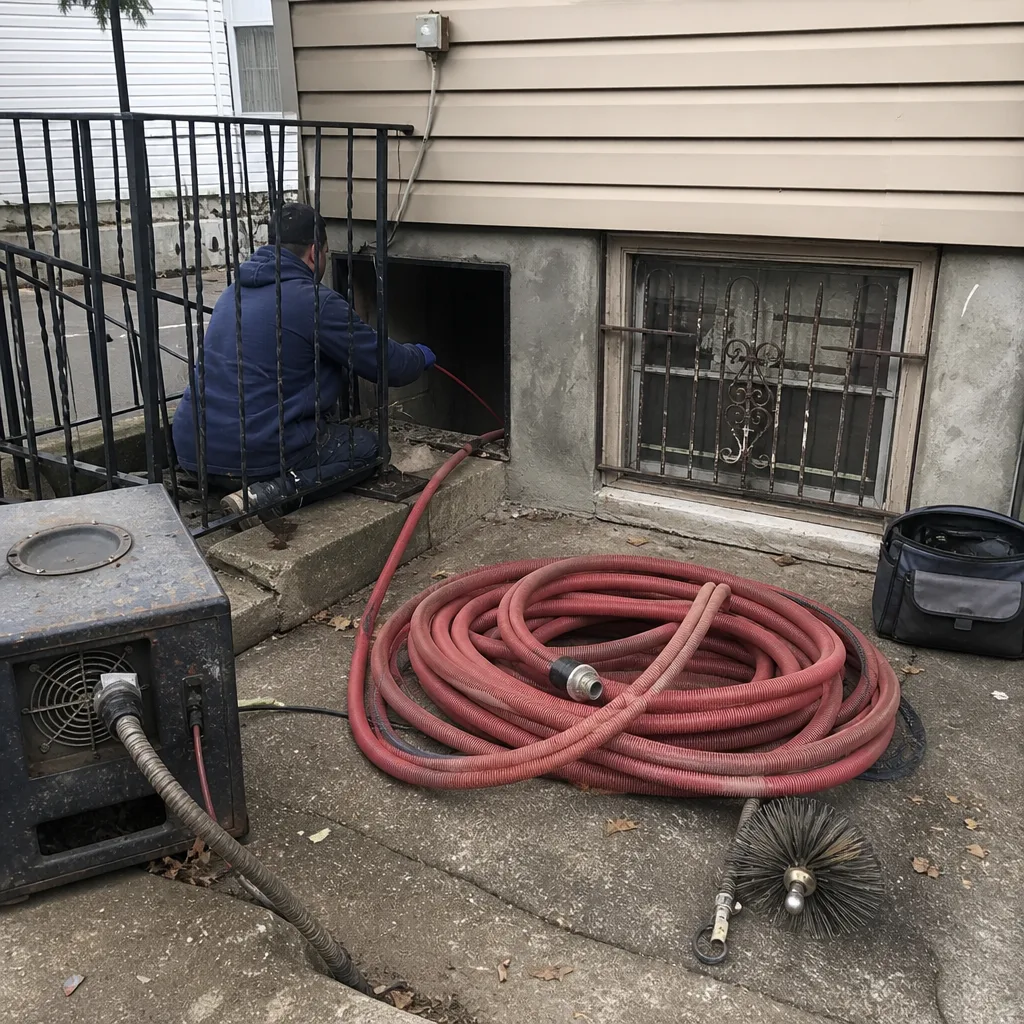
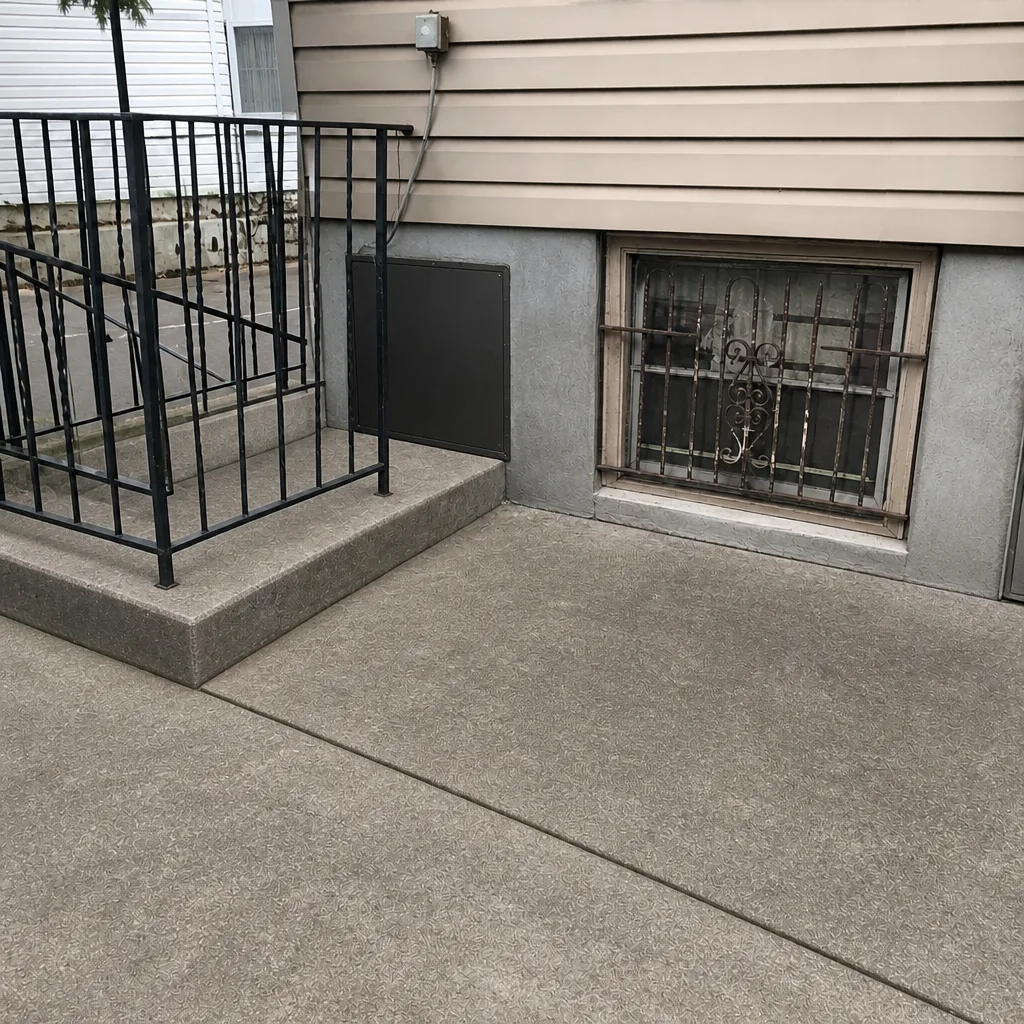
Whole-system duct and dryer vent check with before-and-after photos - you see exactly what came out of your vents
That "$99 whole-house special" is a bait ad - the real number appears once they are in your hallway, or the "clean" is a shop-vac at the register. We photograph the inside of your ducts before and after instead.
How to Hire an Air Duct Cleaning Contractor in Borough Park: A Step-by-Step Guide
A $79 whole-house duct cleaning flyer landing in a Borough Park mailbox is not a bargain. It’s typically the opening line of a sales script where the final invoice climbs into the several-hundred-dollar range for work that often never meets NADCA standards. The low teaser price gets the truck to your door; the pressure starts once someone is standing in your hallway. This guide is written to keep that from happening to you. We’ll walk through how to verify a contractor before booking, the exact questions that separate a real duct operation from a handyman with a shop vac, what should appear in writing, and how to compare quotes that were scoped for entirely different work.
Quick Answer
Hiring an air duct cleaning contractor in Borough Park comes down to three checks: confirm NADCA certification and current NYC Home Improvement Contractor registration, ask what equipment they use and how they create negative pressure, and require a written scope covering access points, the air handler, containment, and post-job verification. A legitimate contractor will answer all three without hesitation and put the scope in writing before work begins. Anyone who won’t is telling you something.
Styles & brands we work with
- Whole-home duct cleaning
- Dryer vent cleaning
- Camera inspection
- Sanitizing & deodorizing
Table of Contents
- Why Borough Park Is a Difficult Market for Duct Cleaning
- What NADCA Certification Actually Means on the Job
- How to Verify a Contractor’s Registration and Insurance
- The Questions to Ask Before You Book
- Contract Line Items That Must Appear in Writing
- How to Compare Quotes That Scope Different Work
- Red Flags Specific to Borough Park
- Post-Job Verification: How to Know the Work Was Done
Why Borough Park Is a Difficult Market for Duct Cleaning
Borough Park has a crowded duct cleaning market, and crowded markets attract every tier of contractor. You’ll find NADCA-certified firms running truck-mounted or portable HEPA vacuum systems, general handymen who own a shop vac and call it duct cleaning, and bait-and-switch operations that exist mostly to convert a cheap phone quote into a large invoice. The three tiers can look identical from a flyer or a Google listing.
Apartment and multi-family buildings make the problem worse. A building with shared duct chases and common return-air paths, common around the denser blocks of Borough Park, requires thinking through how negative pressure is contained per unit and how access is negotiated across tenants. A contractor set up for single-family suburban homes may never have worked through that.
The market also runs a lot of door-to-door and mail solicitations with per-vent pricing. Per-vent pricing is the structural weakness you can exploit during vetting. Ask a per-vent contractor what happens when they open up the system and find it’s dirtier than expected. A real answer requires inspection.
- Certified tier: NADCA members, written scopes, named equipment, before-and-after documentation.
- Handyman tier: honest labor, limited equipment, no system inspection, no containment.
- Bait tier: teaser price, on-site upsell, no written scope, no verification.
Your job during hiring is to tell them apart before anyone walks in. That’s what the rest of this guide is for.
What NADCA Certification Actually Means on the Job
NADCA (the National Air Duct Cleaners Association) publishes the ACR, the industry’s accepted standard for assessing and cleaning HVAC systems. Certification means a firm has committed to those procedures and can be checked against them. It doesn’t mean every job is perfect, but it does give you a written standard to hold them to, which is more than you get with a handyman.
On a certified job, you should see specific behaviors in the first hour:
- Assessment before equipment starts. The technician inspects the system, identifies the components (supply, return, air handler, plenum), and shows you what they found. No cleaning starts before that.
- Source removal, not surface pass. Dust is dislodged with mechanical agitation and pulled into a vacuum, not just wiped near the register. The ACR approach is to remove the accumulation from the source.
- Negative pressure throughout. The system is placed under negative pressure so dislodged contaminants go into the vacuum, not into your living space. This is the single clearest sign of a professional setup.
- Air handler on the scope. A certified firm cleans the air handler and coils when accessible, not just the branch runs and registers.
- Documentation. Photos or video of the interior of the ducts before and after, available to you.
Ask on the phone which portion of the work the firm’s NADCA membership covers. A firm that answers with specifics is the one you want. A firm that goes vague or changes the subject is the one to drop.
How to Verify a Contractor’s Registration and Insurance
New York City requires home improvement contractors to hold a Home Improvement Contractor registration with the NYC Department of Consumer and Worker Protection. Ask for the registration number and verify it directly through the department’s public lookup. This takes a few minutes and filters out an entire tier of unlicensed operators that hover around Borough Park.
Insurance comes next. Ask for a certificate of insurance naming both general liability and workers’ compensation. If a worker is injured in your home and the contractor has no workers’ comp, in the wrong scenario the claim can reach your homeowner policy. That’s a risk you shouldn’t take on someone else’s behalf.
Two more checks that take under ten minutes:
- Business address and phone. A real firm has a stable address and a listed number. A cell phone with no address is a warning sign.
- Written estimate and contract. Refuse to schedule work that isn’t documented. Verbal quotes protect no one.
Don’t accept “we’re licensed” as an answer. Ask for the number, write it down, and verify. Pass the same instruction to a property manager before they book a contractor for a multi-unit building in Borough Park. The building is better served by the twenty minutes of verification than by a same-day start.
The Questions to Ask Before You Book
These questions should be asked on the phone, before any appointment is set. They are designed so a professional answers directly and a bait operator stalls. Print or screenshot this list.
- What equipment will you use? Look for named equipment: Rotobrush rotary brush systems, a Nikro HEPA-filtered vacuum, or an equivalent professional-grade platform. “A really powerful vacuum” is not an answer. Shop vacs and consumer gear aren’t designed for this work.
- How do you create negative pressure? They should describe how the vacuum and containment are set up to keep dust in the system and out of the room. If the answer is unclear, the operation isn’t set up for source removal.
- Do you clean the air handler? A cleaning that skips the air handler is incomplete. Components at the air handler are where a lot of accumulation ends up.
- Do you inspect before you quote? There is no honest way to price a cleaning without seeing the system. Anyone who quotes a whole-house number over the phone without inspection is quoting a teaser, not a job.
- What does the written scope cover? Specifics: how many runs, how many returns, whether the plenum is included, how access is handled, and what the post-job verification looks like.
- Will I get before-and-after photos? A professional firm documents its work. If they hesitate on this, they aren’t planning to document anything.
- Do you offer duct repair and sealing? Loose joints and leaky boots are a bigger cause of poor airflow and contaminant escape than surface dust. A firm that can seal what it finds is more useful than one that can only clean.
- What happens if the scope changes on-site? The right answer is: the technician stops, explains, and gets your written approval before extending the work. Any “we’ll just handle it” answer means you’re about to be upsold.
The eighth question is often the one that reveals a bait operation. Write down the answer.
Contract Line Items That Must Appear in Writing
A verbal agreement gives you nothing to point at when a technician says a run needs more work. Before work begins, the written scope should list every line item below. If any are missing, ask for the scope to be revised. A firm that resists revising a scope in writing is not a firm you want on the property.
- Scope of components: which supply runs, which returns, the plenum, the air handler, the coils if accessible. Counted, not described as “the whole system.”
- Access points: where the technician will open the system, how cuts are made and closed, and whether access panels will be reinstalled or replaced.
- Containment method: how the work area is protected, how the vacuum is connected, and how negative pressure is maintained during the job.
- Equipment named: Rotobrush, Nikro, or equivalent professional platform stated in the scope.
- Treatment products: whether any sanitizer or sealant will be applied, what product, and where. If treatment is included, it should say so, not appear as a surprise on the invoice.
- Post-job verification: photos or video, a walkthrough with the technician, and what happens if something is found to be incomplete.
- Total price, in writing, as an estimate. One stated price for the scoped job. No per-vent lines, no “starting at.”
- Additional work policy: the technician stops, explains the finding, and requires written approval before adding to the scope.
The written estimate sets the final price. Everything else is proposed work that you can accept or decline.
How to Compare Quotes That Scope Different Work
The trap with duct cleaning quotes is that two prices often describe two different jobs. One contractor scopes supply runs only; another includes returns, the air handler, and containment. The second price is higher and the second job is definitely larger, so comparing the two numbers directly is meaningless. Compare by component instead.
Build a small table in your notes. Rows are system components; columns are the quotes. Write “included,” “not included,” or “extra” in each cell. The quote with more inclusions and a clean, written scope usually wins regardless of headline price. The most expensive quote is the one you have to do twice.
A framework that works:
- Supply runs: number and length included? Same count across quotes?
- Return runs: included, or left as an add-on?
- Plenum and main trunk: cleaned, or only branch runs?
- Air handler and coils: included, or “accessible” only?
- Containment and negative pressure: stated in writing?
- Duct repair and sealing: included, optional, or not offered at all?
- Verification: photos, walkthrough, or nothing?
If a quote leaves a whole row blank, the scope isn’t defined. If it puts every row at “included” but the price is half what the others quoted, the price is the problem. We’ve learned to read quotes for a Borough Park property by the rows, not the totals, because the totals describe nothing until you know what’s inside them.
Red Flags Specific to Borough Park
Some red flags are universal; a few are specific to this market. The specific ones are worth memorizing.
- No NYC Home Improvement Contractor registration. Too many operators work in Borough Park without it. The registration number is a black-and-white check, not a judgment call.
- Per-vent pricing as the opening number. A per-vent figure is a teaser in disguise. Honest contractors quote the scoped system, not a count of vents.
- Door-to-door pressure with same-day discount language. Duct cleaning is not an impulse purchase. A real contractor will let you read the scope and call back.
- No written scope, no inspection, no photos. Three strikes; the pattern is well known. Move on.
- “Certified” with no verifiable membership. Ask for NADCA membership verification. A firm that can produce it will happily do so.
- Air handler left out of scope by default. If the air handler isn’t explicitly included, it’s an add-on waiting to happen.
- Unclear on multi-unit building access and containment. In a shared Brooklyn building, the containment plan matters more than for a single-family house. A contractor set up only for the latter will struggle here.
None of these is a hard proof of wrongdoing on its own. Three or four together, though, is a pattern. The right response to a pattern is a different contractor, not a longer conversation.
Post-Job Verification: How to Know the Work Was Done
Verification is how you close the loop. After a proper cleaning, the supply and return ducts should look visibly different inside, the air handler should be free of visible accumulation at the accessible points, and the containment should be removed cleanly with no residual dust in your rooms. Ask for the walkthrough before the technician leaves.
Ask three things during the walkthrough:
- Show me a before-and-after photo of the main trunk. If they took photos, they’ll pull them up. If they didn’t, ask why the scope called for them.
- Walk me through the containment removal. You want to see how the work area is left. Dust settling after they leave isn’t part of the job.
- Point to the air handler and tell me what was done there. A clear answer with the component described is what you’re listening for.
If the job included duct repair and sealing, ask where the seals were applied and what material was used. If the scope included air quality treatment, ask what product and where. These aren’t gotcha questions; they’re the questions you should have a confident, unhurried answer to. A contractor who did the work wants to show you.
Common Mistakes to Avoid
- Booking on price alone. The lowest price is often a teaser that converts on-site. Compare quotes by scope, not by number.
- Skipping the registration check. A quick NYC DCWP lookup on a Borough Park contractor takes minutes and eliminates a real risk category.
- Letting the air handler drop off the scope. If it isn’t written in, it isn’t included. Add it before you sign.
- Accepting a verbal scope. A Borough Park building job with a shared duct chase and no written scope has no protection, and no recourse if the work cuts corners.
- Not asking for equipment names. Rotobrush and Nikro aren’t marketing phrases; they’re a technical standard. If they can’t name the platform, they aren’t set up for source removal.
- Skipping verification at the end. Without before-and-after photos, you have no way to know what was actually cleaned. Ask up front, confirm at the walkthrough.
- Treating a per-vent quote as comparable. It’s a different product. Line it up against a scoped quote and the difference will be obvious.
See the difference
 Before
 After
 Before
 After
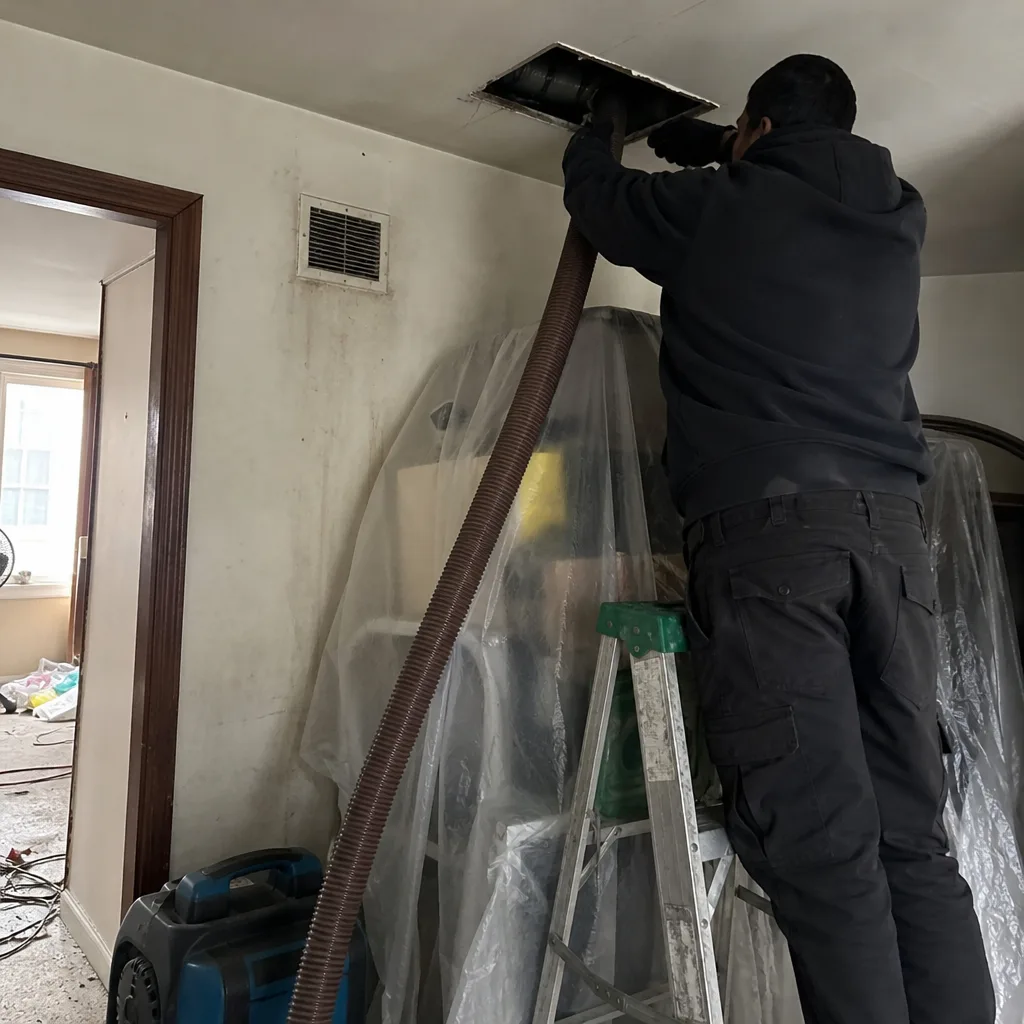 Before
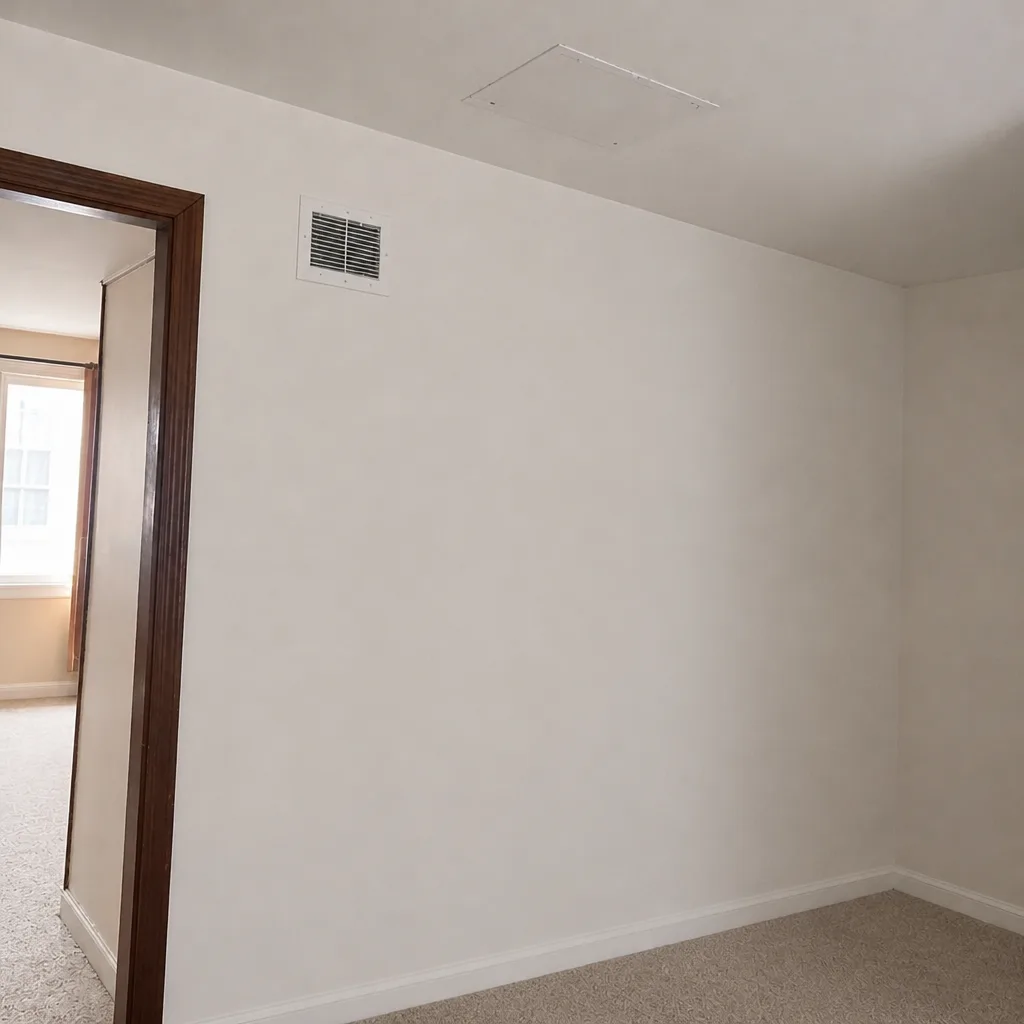 After
When to Call a Professional
Not every home needs duct cleaning on a schedule. But some signals are worth calling about immediately: recurring musty odors when the system runs, visible dust blowing from registers right after a filter change, uneven airflow between rooms in the same apartment, allergy symptoms that ease when the HVAC is off, and ducts that clearly haven’t been opened in years. Dryer vent cleaning is a separate but related concern: if the dryer takes noticeably longer to dry a load, that’s a fire-safety issue worth addressing, not just an efficiency one.
Property managers in Borough Park should call before a building cycle, not after a complaint. A scoped cleaning and inspection once tenant complaints start is more expensive and less useful than a scheduled walkthrough. Air Duct Cleaning Borough Park offers free estimates in Borough Park. Call (855) 337-2070 to set up an inspection and find out what the system actually needs.
Frequently Asked Questions
There is no honest single answer without an inspection. The right way to price the job is a written estimate after the contractor has seen the system, and the estimate should set the final price. Treat any $79, $99, or per-vent teaser price as an opening bid, not a total. Call (855) 337-2070 for an exact quote. Estimates are free.
Cheap quotes usually describe a smaller job: supply runs only, no containment, no air handler, no verification, or a handyman-tier setup without the equipment required for source removal. Once the technician is on-site, the missing components become add-ons. The written scope is the only way to tell the difference before you book. Call (855) 337-2070 for a scoped estimate.
Ask for before-and-after photos of the main trunk, a walkthrough of the containment removal, and a clear explanation of what was done at the air handler. A firm that documents its work answers all three without hesitation. A firm that can’t, didn’t. Call (855) 337-2070 for an estimate and ask about the verification process.
NADCA certification is a professional membership standard, not a legal requirement. New York City does require Home Improvement Contractor registration for home improvement work. The registration is a legal minimum; NADCA certification is a technical standard worth asking for. Call (855) 337-2070 with questions about what we look for.
Most homes don’t need it on a fixed calendar. The triggers are specific: water damage, pest intrusion, visible accumulation at registers, musty odors, or a renovation that generated heavy dust. A home with no triggers and clean registers can go years without a cleaning. Call (855) 337-2070 for an honest assessment of your Borough Park home.
It can help reduce airborne dust and contaminants that aggravate allergy symptoms when ducts are genuinely dirty. It doesn’t replace filtration, humidity control, or medical care. If air quality is the driver, ask about whole-home filtration and treatment options too, not just cleaning. Call (855) 337-2070 for an estimate.
The Bottom Line
The Borough Park duct cleaning market includes certified firms, honest handymen, and bait operations. Telling them apart comes down to a short list of hard checks: verify NYC Home Improvement Contractor registration and insurance, confirm NADCA standards are the basis of the work, insist on a named equipment platform like Rotobrush or Nikro, require the air handler in scope, and demand a written contract with access points, containment, and post-job verification spelled out before anyone arrives. Compare quotes by component, not by total. Verify the work at the end with photos and a walkthrough. Reading this far puts you ahead of the typical bid. Keeping the checklist nearby during the call puts you ahead of the bait.
If you’re ready to move from vetting to scheduling, Air Duct Cleaning Borough Park provides free estimates for properties throughout Borough Park. Call (855) 337-2070 to set up an inspection.
Written by the team at Air Duct Cleaning Borough Park.