
Last updated November 22, 2026
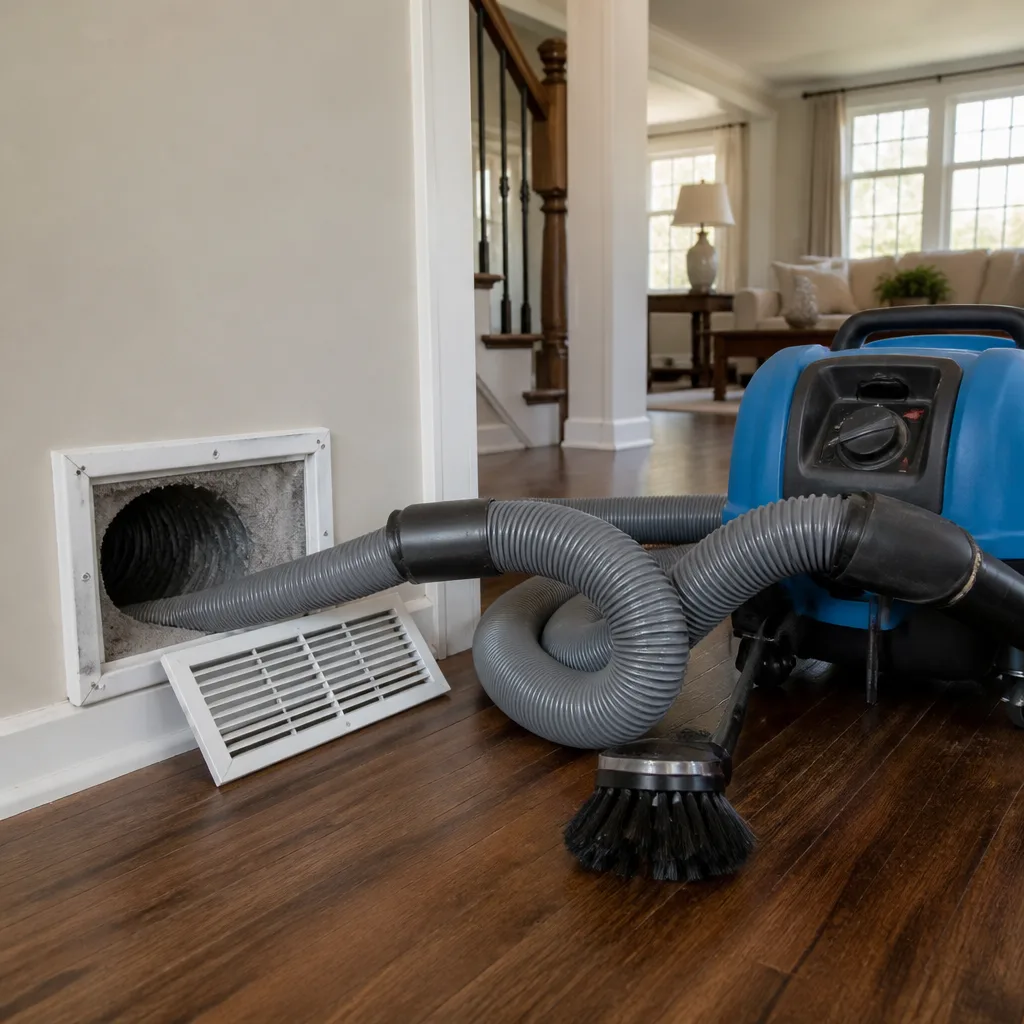 Whole-home duct cleaning
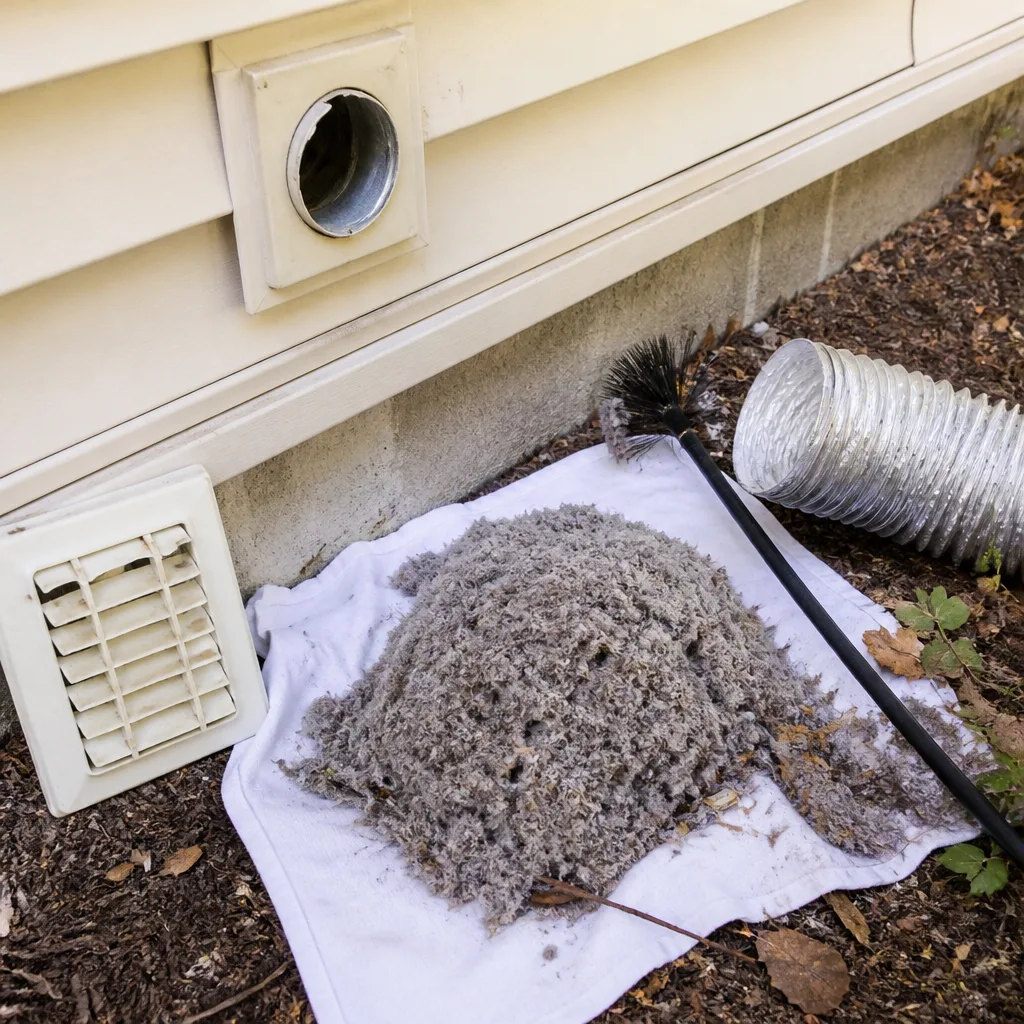 Dryer vent cleaning
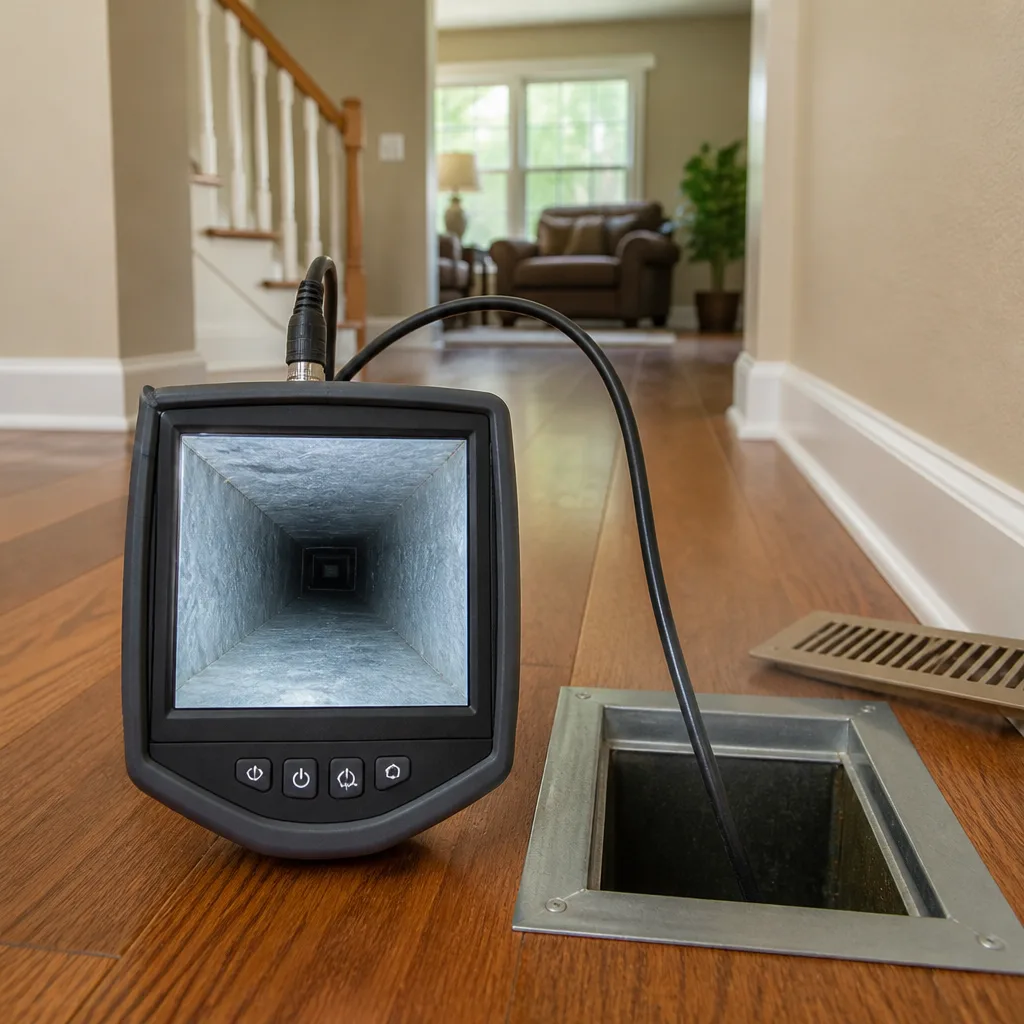 Camera inspection
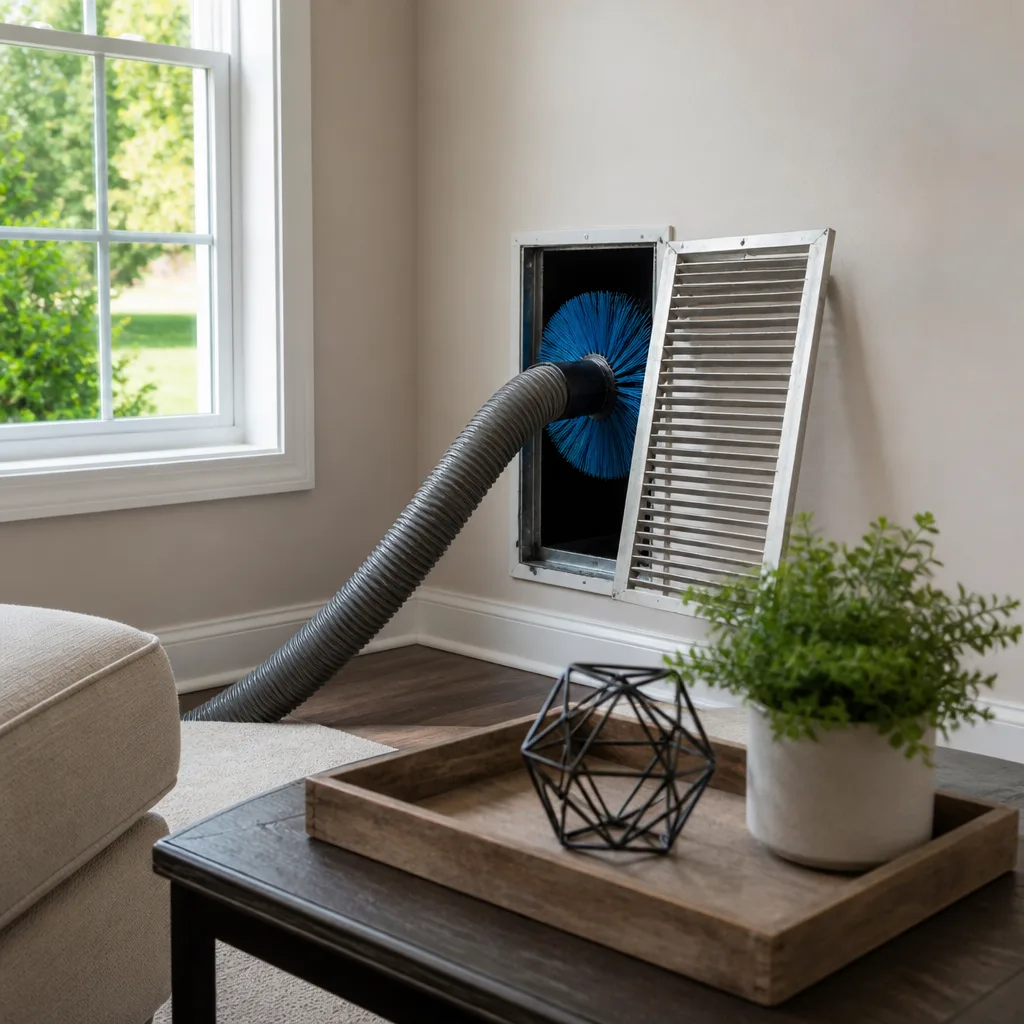 Sanitizing & deodorizing
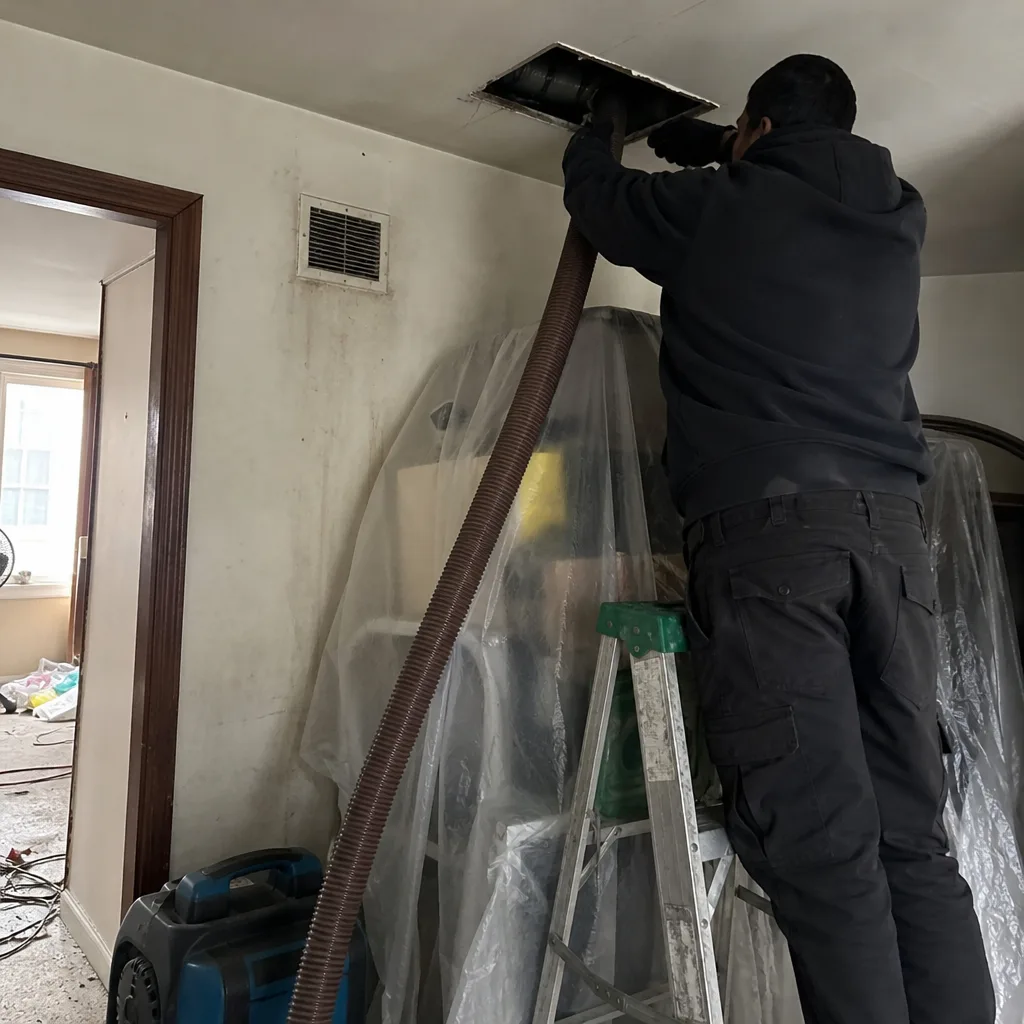
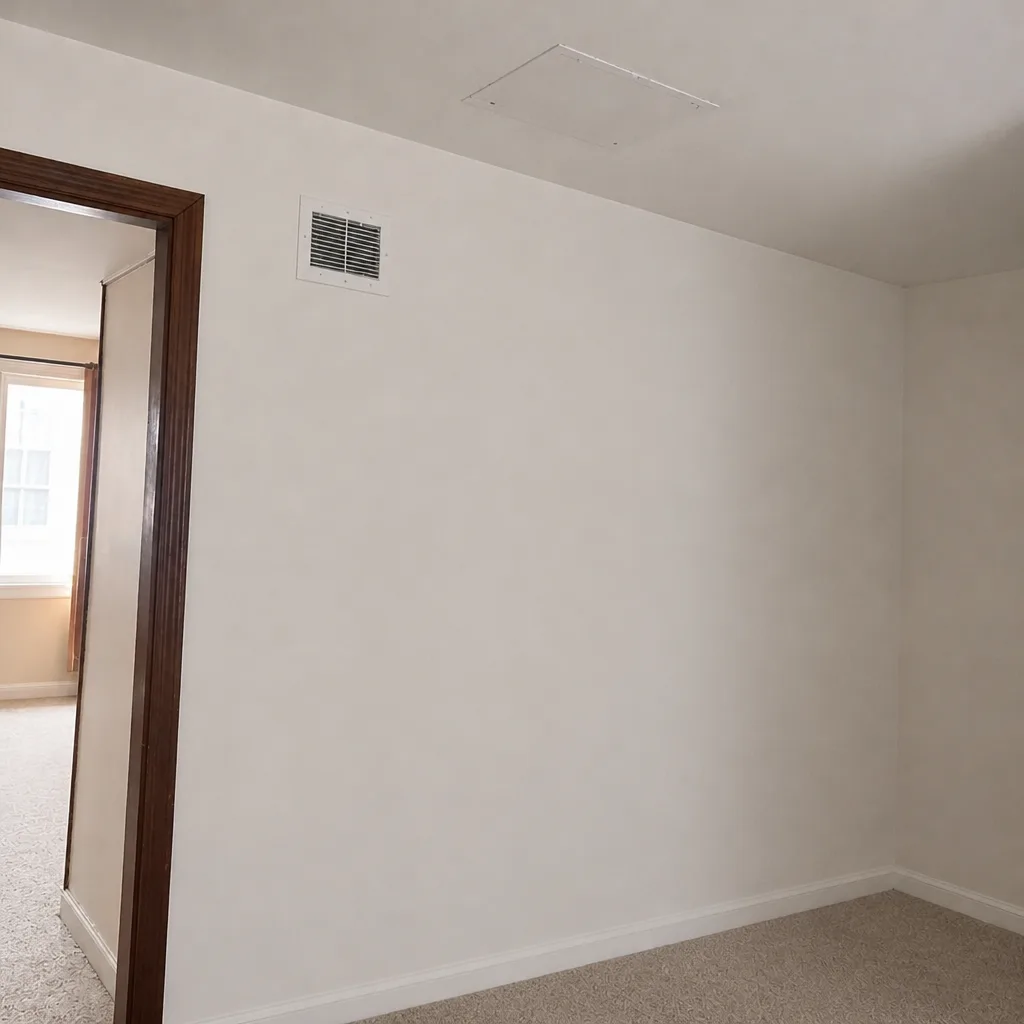
Whole-system duct and dryer vent check with before-and-after photos - you see exactly what came out of your vents
That "$99 whole-house special" is a bait ad - the real number appears once they are in your hallway, or the "clean" is a shop-vac at the register. We photograph the inside of your ducts before and after instead.
Seasonal Air Duct Cleaning Care for Borough Park: Year-Round Homeowner’s Guide
Most Borough Park homeowners clean their ducts once every few years and call it done. That schedule misses the real story, because the biggest risk inside your ductwork isn’t dust accumulating evenly over time. It’s the windows when temperature, humidity, and airflow change all at once. The highest-risk period is the stretch between turning off the AC and turning on the heat, when warm residual moisture sits in a duct system with no air moving through it. That combination is exactly what mold needs to settle into a supply plenum. This guide walks through how each season in Borough Park changes what’s happening inside your ducts, and how to time maintenance around those changes instead of guessing.
Styles & brands we work with
- Whole-home duct cleaning
- Dryer vent cleaning
- Camera inspection
- Sanitizing & deodorizing
Quick Answer
In Borough Park, air ducts should be cleaned on a seasonal schedule rather than a fixed multi-year one. The key triggers are the first heating cycle in October (settled debris burns off and enters the supply air), the spring transition when cooling coils and drain pans need inspection, and the humid summer stretch when a stagnant system becomes a mold risk. Because Borough Park’s urban particulate load from traffic, construction, and high-density housing compresses the usual interval, most homes here benefit from service every 2 – 3 years rather than the standard 3 – 5.
Table of Contents
- Why Borough Park Ducts Need a Seasonal Schedule, Not a Yearly One
- Fall: The October Heating Startup Is Your Most Important Cleaning Trigger
- Winter: What Gas Furnace Combustion Byproducts Do to Supply Air
- Spring: Post-Heating Inspection Focus Points
- Summer: Humidity, Cooling Coils, and Why Cleaning Ducts Alone Is Incomplete
- How Borough Park’s Urban Particulate Load Compresses the Standard Interval
- A Numbered Year-Round Checklist for Borough Park Homeowners
- Common Mistakes to Avoid
- When to Call a Professional
- Frequently Asked Questions
- The Bottom Line
Why Borough Park Ducts Need a Seasonal Schedule, Not a Yearly One
A yearly cleaning sounds responsible. In practice, it can miss the exact contamination windows that matter, because it falls on a calendar date instead of a climate event. Duct contamination is driven by changes in temperature and moisture, not by the number twelve. When you clean in the same month every year, you’re guessing at when your system was actually most vulnerable.
Borough Park sits in a humid coastal urban environment with hard winters and mold-prone summers. That combination creates four distinct dust and moisture cycles, and each one leaves behind something different inside a duct system. Fall leaves settled debris that the first heat cycle pushes into living space. Winter adds combustion-related particles to the supply side. Spring exposes coil and blower buildup. Summer puts standing moisture into the air handler and coil assembly.
A seasonal schedule treats each of these as a separate event. The practical result looks like this:
- Fall (September – October): Clean before the first heat cycle, not after it. The startup is what distributes debris.
- Winter (November – February): Inspect supply registers for soot or mineral staining from the gas furnace.
- Spring (March – May): Check the blower wheel, drain pan, and return air side for buildup and moisture.
- Summer (June – August): Watch for musty odor, and address the cooling coil, not just the ducts.
This is the difference between cleaning a system and managing it. For the standard service behind this routine, our Air Duct Cleaning Borough Park page lays out what a full appointment involves.
Fall: The October Heating Startup Is Your Most Important Cleaning Trigger
October is the single most important month to schedule duct cleaning in Borough Park. By the time the first heat cycle runs, your system has been mostly idle through the shoulder season. Dust, pollen, and fine debris that settled through the summer and early fall is sitting loose inside the ducts. The first time the furnace fires, warm air moves through and lifts all of it into the supply airstream and out through your registers.
That first heat cycle also burns off residue on the heat exchanger and in the plenum – a normal, short-lived smell on any forced-air gas system that has sat unused. If the ducts aren’t clean when that cycle runs, the smell carries settled contaminants along with it. Homeowners in Borough Park often report the strongest odors in the first week of heating season, and it’s usually a duct cleanliness issue rather than a furnace fault.
What fall service should include:
- Full negative-pressure setup so debris is captured, not recirculated. We use Nikro HEPA-filtered vacuums for this.
- Rotary brush cleaning of the branch runs and the main trunk, using a Rotobrush system, to break up compacted dust rather than just pulling surface lint.
- Return-side cleaning, which is often skipped and where the heaviest soil load sits.
- Register and grille removal and cleaning at each opening.
- A visual inspection of the heat exchanger area to flag anything that warrants a furnace technician.
The goal is to have the ducts clean before the first cold snap, not after. In our experience, scheduling in September and early October avoids the rush that builds once the weather turns and existing dust has already been pushed through the system. Get ahead of the heating season with our air duct cleaning service.
Winter: What Gas Furnace Combustion Byproducts Do to Supply Air
If you heat with a gas furnace, winter is when you should look at your registers most closely. A properly sealed and vented furnace sends combustion gases up and out through the flue, not into your supply air. But any failure in that path – a compromised heat exchanger, backdrafting, poor draft pressure in a tight urban apartment layout – can let combustion byproducts migrate into the airstream. Ductwork carries those through the whole house.
We don’t repair furnaces, and this shouldn’t be handled as a duct issue alone. What the ducts can tell you is whether it’s time to call a heating technician. Look for these at your registers:
- Gray or black streaks or soot staining near the register face or on the diffuser.
- A persistent burnt or oily smell that doesn’t clear after the first few heating cycles.
- Whitish mineral residue around the furnace base or flue connection.
- Headaches, eye irritation, or a CO alarm activation of any kind.
Safety note: A CO alarm going off is not a duct problem to diagnose. Get out of the house, call your gas utility, and have the furnace inspected before you run it again. Combustion gas issues require a licensed heating professional, and we won’t attempt to explain them away as a step you can handle yourself.
Beyond safety, winter is also a good time to see whether the duct system is doing its job evenly. Uneven airflow between rooms in the same Borough Park apartment or house often traces to a return-air imbalance or a leaking joint, not a cheap furnace filter. We offer duct repair and sealing as an in-house service for exactly this reason – closing duct leaks is part of the fix, not something to hand off. If you’ve noticed uneven airflow, our HVAC cleaning service covers the full system, including the air handler and blower.
Spring: Post-Heating Inspection Focus Points
Spring is when the heating season’s damage shows up. After five or six months of continuous forced-air operation, three components carry the evidence: the blower wheel, the drain pan, and the return-air side. Inspection in March through May catches what a fall cleaning can’t, because the debris being inspected has accumulated since that cleaning.
1. Blower wheel buildup. The blower wheel is the fan that pushes air through your whole system. It doesn’t fail suddenly. It gradually loads up with fine dust, and the blades start moving less air for the same amount of energy. By spring, a blower that ran all winter is usually coated. A loaded blower is the most common reason a system feels weak in spring, and it’s rarely visible from the outside. Cleaning it takes disassembly and proper rebalancing – this is HVAC cleaning work, not a homeowner task.
2. Drain pan condition. If you have central air, the evaporator coil sits above a drain pan that collects condensate. Over the cooling season the pan accumulates biological film. By spring, that film has dried and is sitting there waiting for the first humid day. A pan that isn’t drained, cleaned, and confirmed to be flowing properly sets up a summer mold problem before the AC even runs. Check for standing water, rust, or a slimy film along the pan edges.
3. Return air contamination. The return side pulls air from common areas – hallways, bedrooms, the space above a kitchen. In dense Borough Park housing, that return air carries cooking grease vapor, dust, and in some multi-family buildings, tobacco or incense residue. Return drops often show heavier soiling than the supply side and are the most neglected part of any system.
Spring is also a good time to check your whole-home filtration setup if you have one. We work with Aprilaire and Honeywell air quality systems and can assess whether the filter cabinet, filter grade, and airflow are set up correctly – a filter that’s too restrictive for the blower is its own problem.
Summer: Humidity, Cooling Coils, and Why Cleaning Ducts Alone Is Incomplete
Summer in Borough Park is the mold window. The cooling coil runs wet for weeks at a time. When the system cycles off, warm residual moisture sits on the coil, in the drain pan, and on the plenum surfaces downstream. Any dust or biofilm present becomes a food source. Mold colonizes in 24 to 48 hours of sustained damp-dust conditions – that’s not a rare event, it’s an annual one.
This is the part most duct cleaning services skip. Cleaning the ductwork without addressing the cooling coil and air handler leaves the actual source of the problem in place. Air moves through the coil first, then into the ducts. If the coil is wet and dirty, clean ducts downstream of it are a temporary fix at best.
Why coil and air-handler cleaning belongs with duct cleaning:
- The coil and drain pan are where moisture and microbes concentrate.
- Contaminant-laden air picks up loads at the coil and carries it into your living space.
- Cleaning the whole system once is more effective than cleaning the visible ducts twice.
Our Air Quality & Sanitizing service exists for this. We use Abatement Technologies equipment for contaminant control, and Guardsman-grade treatment products for sanitizing – a professional protective standard, not something off a store shelf. For homes that need remediation rather than routine cleaning, that equipment class matters. Abatement Technologies is the kind of gear commercial and industrial IAQ contractors run, and it’s what lets us handle a mold problem at the coil rather than just vacuum the registers.
Summer warning signs that warrant a sanitizing visit:
- A musty smell when the AC first comes on, or a persistent odor in one or two rooms.
- Visible dark spotting on ceiling diffusers or around register frames.
- Allergy symptoms that flare in summer specifically, when windows are shut.
- Condensate pooling or a drain line that runs slowly.
- Biofilm on the drain pan that returns within weeks of cleaning.
If any of that sounds familiar, the sequence is clean first, then decide on sanitizing. Cleaning a system then sealing leaks is one appointment. We handle both under one operation, which is why we list duct repair and sealing alongside cleaning rather than as a separate contractor’s job.
How Borough Park’s Urban Particulate Load Compresses the Standard Interval
The standard recommendation for duct cleaning is every 3 to 5 years. In a suburban house on a quiet street, that can be fine. Borough Park is not that house. The particulate load here is materially higher than the national baseline, and it lands on a different schedule.
What pushes the interval shorter in Borough Park:
- Traffic density. This is a dense, continuously active urban neighborhood. Vehicle exhaust and tire and brake particulate settles on everything, including the fine filters and return grilles of ground-floor and street-facing units.
- Construction and renovation activity. Ongoing building work throughout the neighborhood generates fine drywall dust and silica that gets pulled into return air. Once inside ducts, it compacts and doesn’t release with normal airflow.
- Housing density and shared systems. In multi-family and attached buildings, a return-side nuisance in one unit can affect airflow and odor in adjacent units. Property managers here need a maintenance cycle that accounts for shared duct paths, not just single-home timelines.
- Humid summers and hard winters. The temperature swing stresses the duct system itself – joints open and close, tape loosens, and leaks develop. A leak on a return side pulls in air from unconditioned spaces, along with whatever particulate is sitting there.
In our experience, most Borough Park homes do best on a 2-to-3-year cycle, with the fall heating-startup cleaning as the anchor. Homes near heavy construction, street-side units, and multi-family buildings often sit at the tighter end. Property managers with multiple buildings should be on a documented schedule rather than an as-needed one – irregular service is how a small return-side problem turns into a tenant complaint.
Dryer vents deserve a mention here, because they share the same urban particulate load and carry a fire-safety consequence that ducts don’t. Lint accumulation in an apartment-building dryer vent is a documented fire risk, and the density of Borough Park housing means shared or long vent runs are common. Our dryer vent cleaning service is scheduled on its own cycle for this reason.
A Numbered Year-Round Checklist for Borough Park Homeowners
Here’s the short version, organized so you can post it on the fridge or hand it to a property manager. Each step maps to a season and to the specific risk that season creates in Borough Park.
- Late August – early September: Book the heating-startup cleaning. Get the ducts, returns, and registers cleaned before the first heat cycle, not after. This is the single highest-value item in the year.
- October, at first heat: Watch the registers. Note the first-cycle odor. If it persists past a few heating runs, or you see soot streaks, call for inspection.
- November – February: Check for combustion warning signs. Soot, burnt smell, or a CO alarm means call your gas utility and a heating technician first. Don’t run the furnace until it’s inspected.
- March – April: Inspect the blower and drain pan. A loaded blower wheel and a wet drain pan are the two most common spring findings. Both need proper cleaning, not a wipe-down.
- May: Review your filtration setup. If you have an Aprilaire or Honeywell system, confirm the filter grade is right for your blower. Too restrictive is a real problem.
- June: Pre-cooling-season check. Confirm the drain line flows, the coil is clean, and the return side is free of debris before the humid months start. This is the mold-prevention step.
- July – August: Act on any musty odor immediately. A summer odor is a coil and air-handler issue. Cleaning the ducts alone won’t fix it.
- Any time: Check dryer vent run. If drying times have lengthened or the exterior vent flap doesn’t open fully, book dryer vent cleaning.
That’s the full year. A single visit can often cover cleaning, sealing, HVAC maintenance, and dryer vent work if you schedule around the fall anchor and plan the spring follow-up together.
Common Mistakes to Avoid
- Cleaning in the same month every year, regardless of the season’s risk. The timing matters more than the frequency. A fall cleaning before the heating startup does more for your air than a summer cleaning after it.
- Assuming the first heating smell is a furnace problem. In most Borough Park homes, the odor that shows up at first heat is settled duct debris being distributed. Clean the ducts before the first cycle, and it doesn’t happen.
- Cleaning the ducts but leaving the cooling coil and air handler alone. This is the most common and least visible mistake. The coil is where mold grows, and clean ducts downstream of a dirty coil are a partial fix.
- Using the same 3-to-5-year interval that applies to quiet suburban homes. Borough Park’s traffic and construction particulate load shortens that. Most homes here need 2 to 3 years.
- Running a high-MERV filter in a system that can’t move air through it. A restrictive filter starves the blower and, in humid weather, can promote coil icing. Match the filter to the system, not to the packaging.
- Treating a soot or burnt smell as a duct issue. Combustion byproducts in supply air mean a licensed heating professional, not a cleaning appointment. Call your gas utility and a heating technician.
- Skipping the return-air side because supply registers look cleaner. The return carries the heavier load in shared and multi-family buildings. A survey that skips the returns has missed most of the soil.
- Assuming duct leaks are a separate project for a different contractor. Leaks open in winter temperature swings. We handle repair and sealing alongside cleaning, which is why we treat it as part of the plan.
When to Call a Professional
Call for professional service when any of the following applies. The heating season is about to start and the ducts haven’t been cleaned since last winter. You notice a musty or burnt smell when the AC or heat first runs, or you see dark spotting on diffusers. You’ve had renovation or construction dust in the house within the past year. Airflow between rooms has become uneven. Your system hasn’t been cleaned in over three years, or over two if you’re near ongoing construction or in a multi-family building. Your dryer takes noticeably longer to dry a load, or the exterior vent flap doesn’t open all the way. We answer 24/7 and can be reached at (855) 337-2070. Fast dispatch from 7am to 7pm, Sunday through Friday; we’re closed Saturdays. Estimates are free, the price is set per job by the written estimate, and you get one flat price per system agreed before any work starts.
Frequently Asked Questions
Most Borough Park homes do best on a 2-to-3-year cycle rather than the standard 3-to-5-year interval, because the urban particulate load from traffic and construction is higher than in quieter areas. Anchor the schedule to the fall heating startup. If you’re near active construction or in a multi-family building, lean toward two years. Call (855) 337-2070 for an exact quote – estimates are free.
The smell at first heat is usually settled duct debris being lifted into the airstream by the first warm-air cycle, sometimes mixed with normal burn-off residue on the heat exchanger. Clean the ducts before the first cycle and it largely goes away. If the smell persists past a few heating runs, or you see soot streaks, treat it as a combustion concern and call your gas utility.
No. A summer mold smell almost always originates at the cooling coil or air handler, where moisture collects. Cleaning the ducts without addressing the coil leaves the source in place. Our Air Quality & Sanitizing service handles the coil and air handler with Abatement Technologies equipment and Guardsman-grade treatment products, which is the remediation-grade step this requires.
Check for gray or black streaks, whitish mineral residue, and any persistent burnt or oily smell. Those are signs of combustion byproducts migrating into supply air. A CO alarm is an emergency – leave the house and call your gas utility. Do not attempt to diagnose a combustion gas issue yourself.
It’s priced per job by a free written estimate, with one flat price per system agreed before work starts – no per-vent pricing, and no low coupon that turns into a bigger invoice once the technician is there. You get before-and-after photos of your own ducts. That’s the honest answer to the bait-and-switch reputation this trade has. Call (855) 337-2070 for an exact quote.
Yes. We serve both homeowners and property managers. For multi-family buildings, the shared return-air path and the higher particulate load make a documented 2-to-3-year schedule the practical approach, and we can bring cleaning, sealing, HVAC maintenance, and air quality together in one appointment to keep disruption down. Call (855) 337-2070 for a free estimate.
The Bottom Line
Borough Park’s climate – humid summers, hard winters, dense urban air – schedules duct maintenance more tightly than most national guides assume. The single most important move is cleaning before the October heating startup, because that’s when settled debris enters your living space. Spring inspection of the blower, drain pan, and returns catches what fall can’t. Summer is a coil and air-handler story, not a duct story. And the urban particulate load means a 2-to-3-year interval for most homes here, not 3 to 5. Our technicians have up to 12 years of experience, and we use Rotobrush and Nikro equipment. If you want a system managed rather than just vacuumed, call (855) 337-2070. We answer 24/7. Fast dispatch from 7am to 7pm, Sunday through Friday. Free estimates, one flat price per system agreed before work starts, and before-and-after photos of your own ducts.
Written by the team at Air Duct Cleaning Borough Park.
See the difference
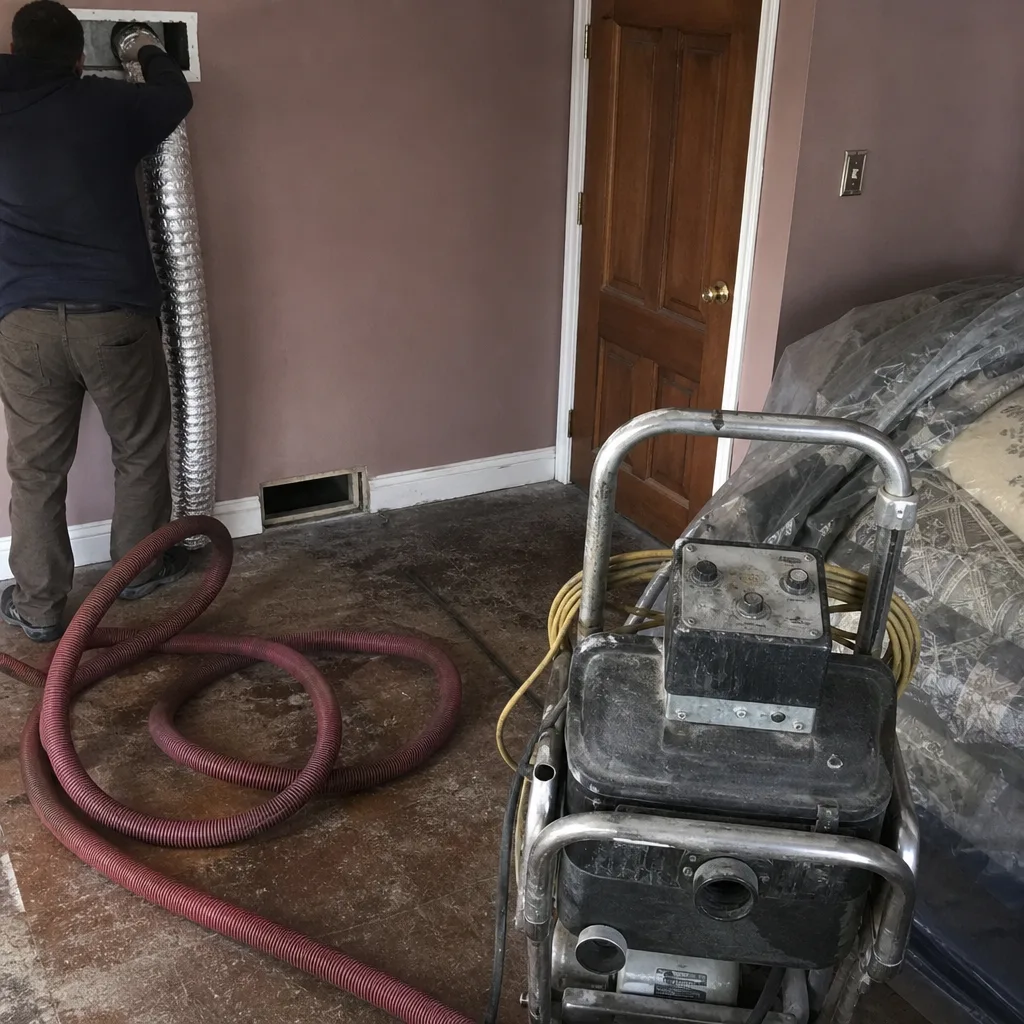 Before
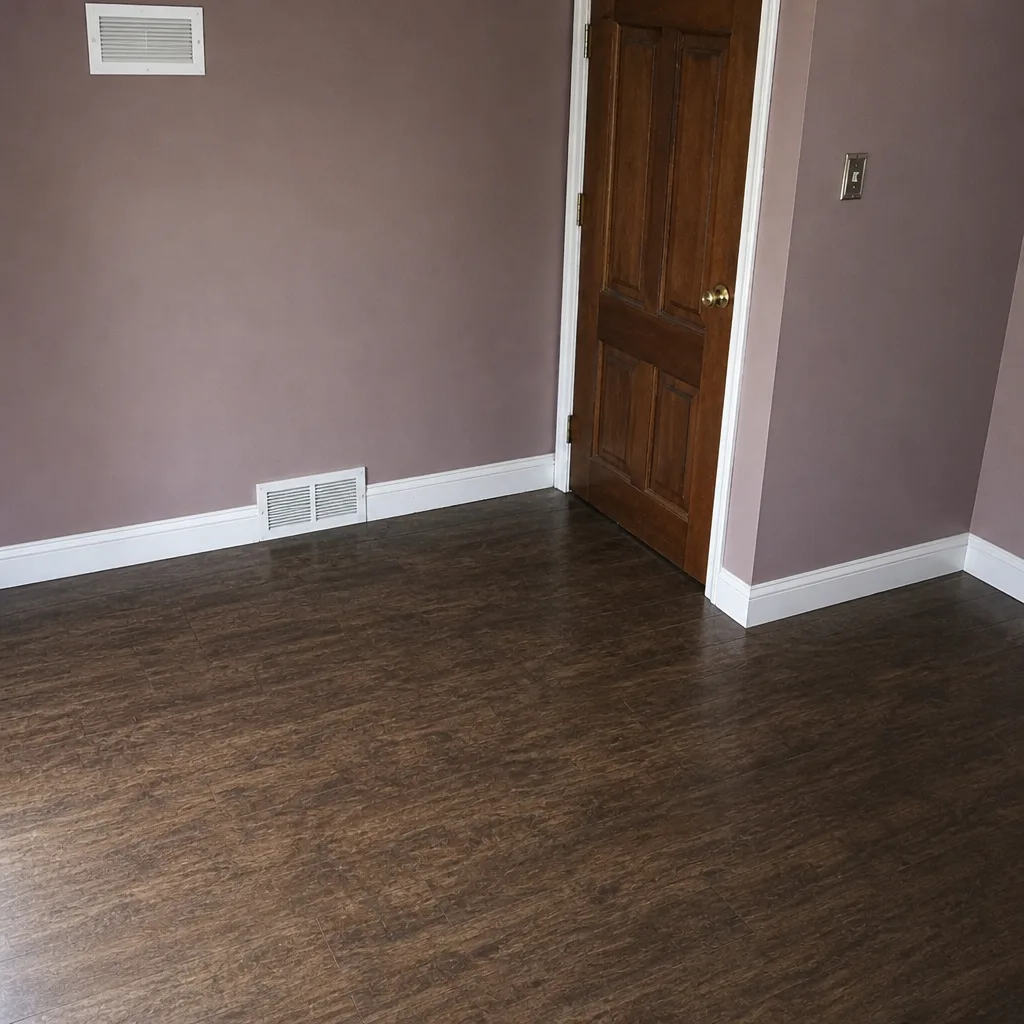 After
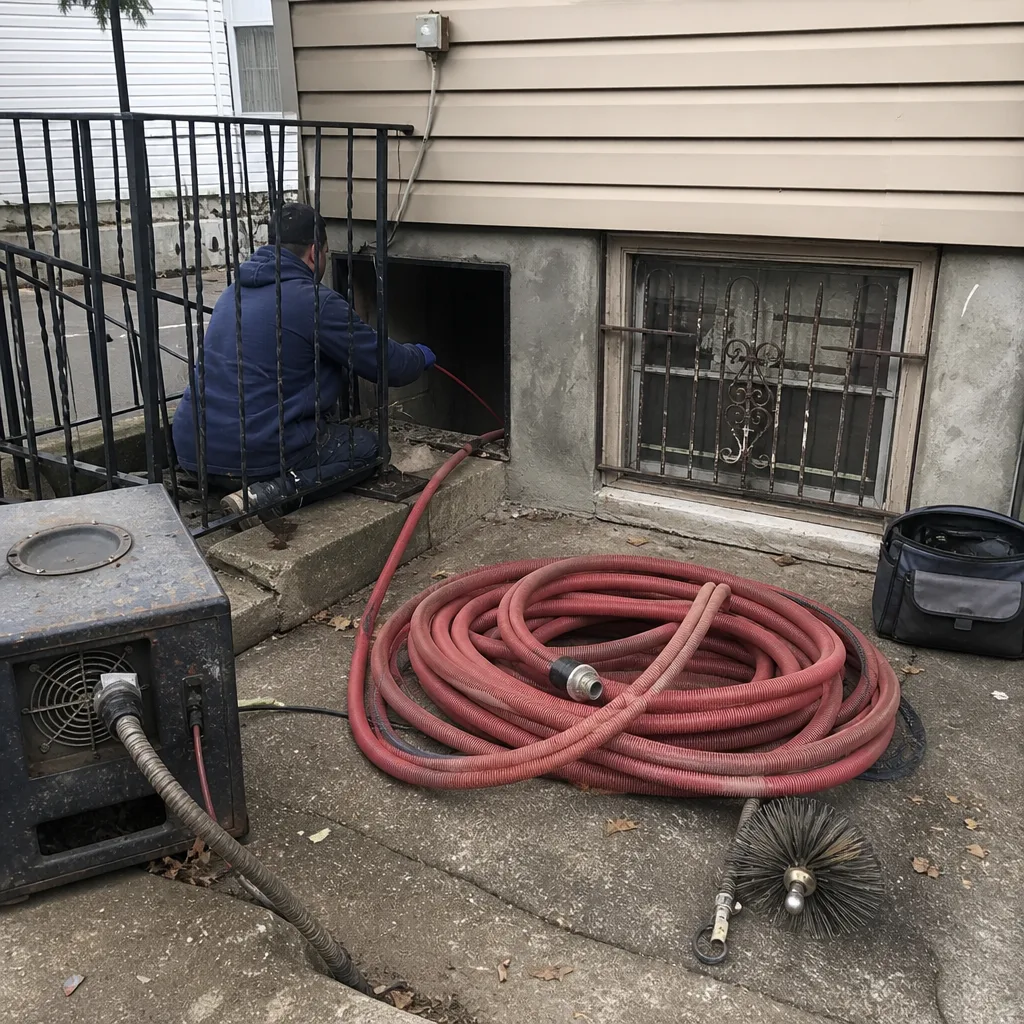 Before
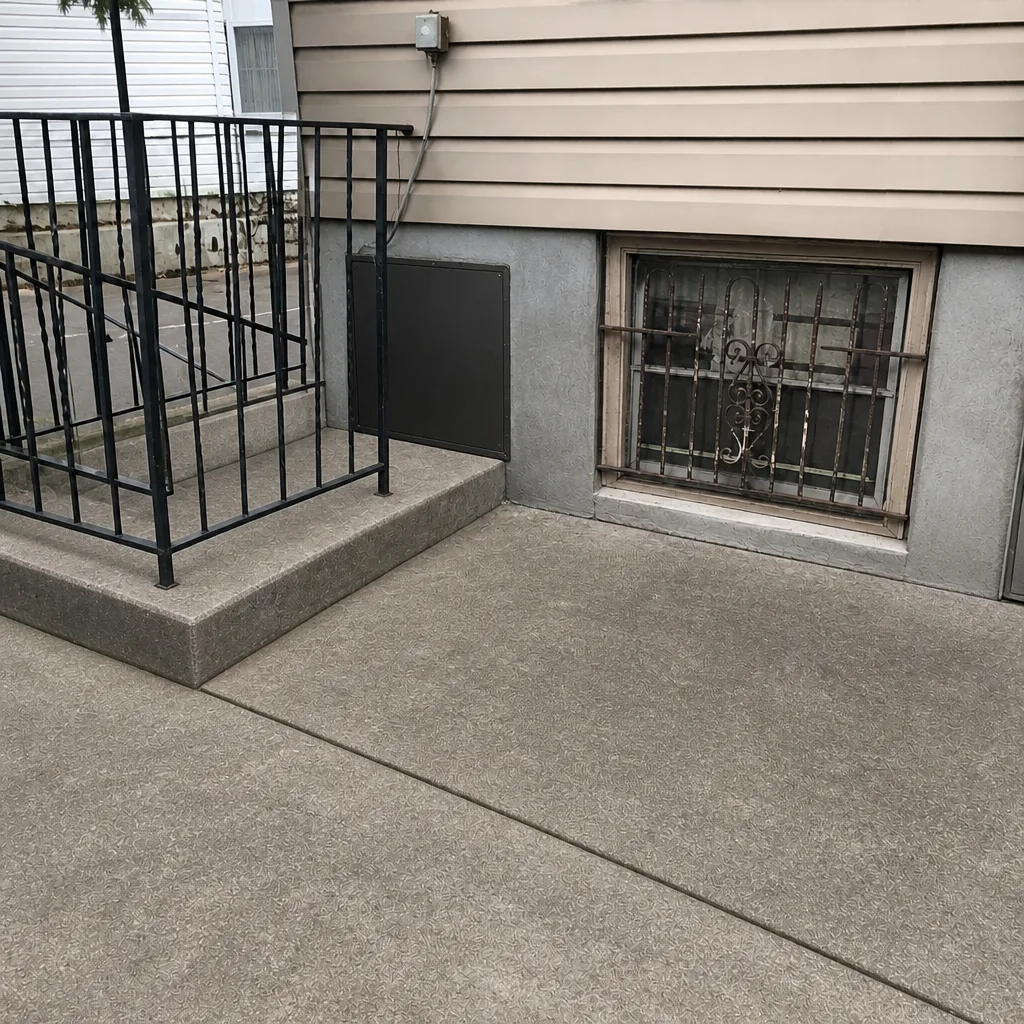 After
 Before
 After