
Last updated November 22, 2026
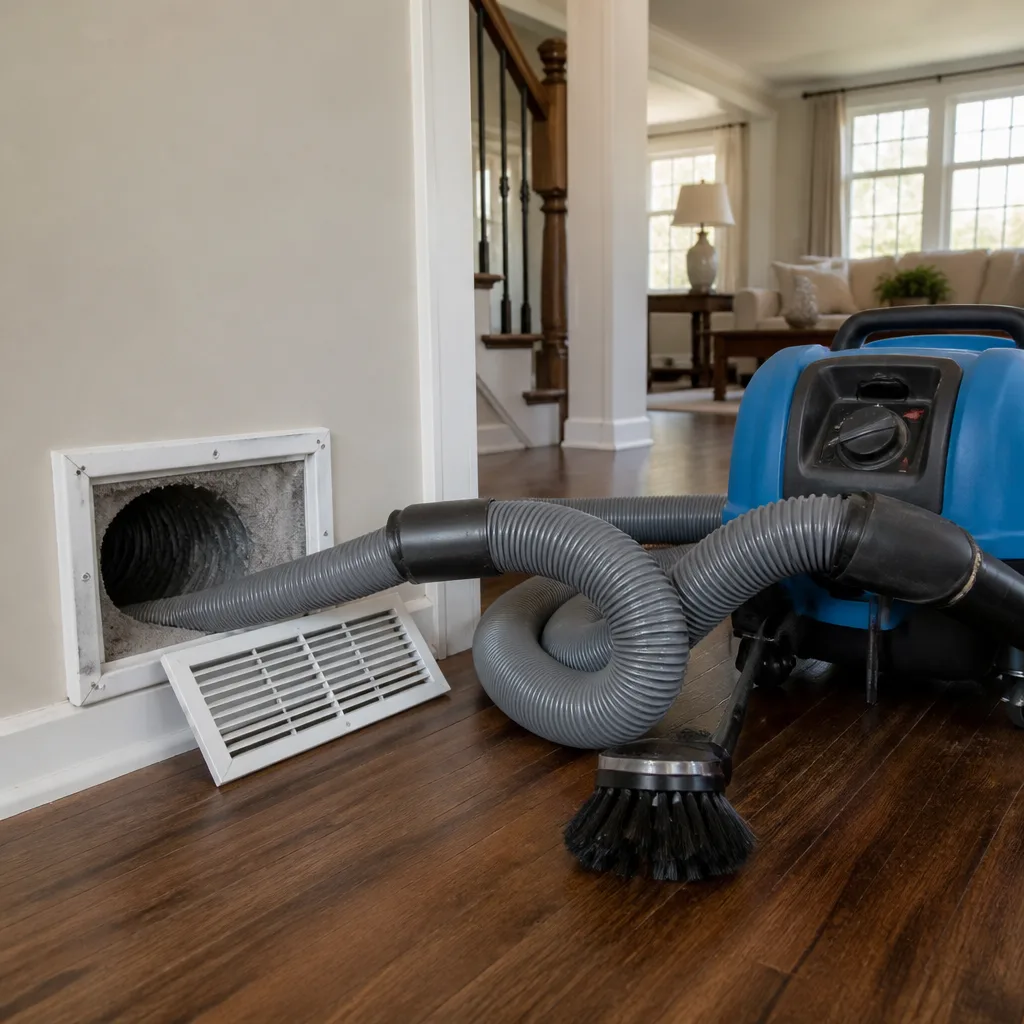 Whole-home duct cleaning
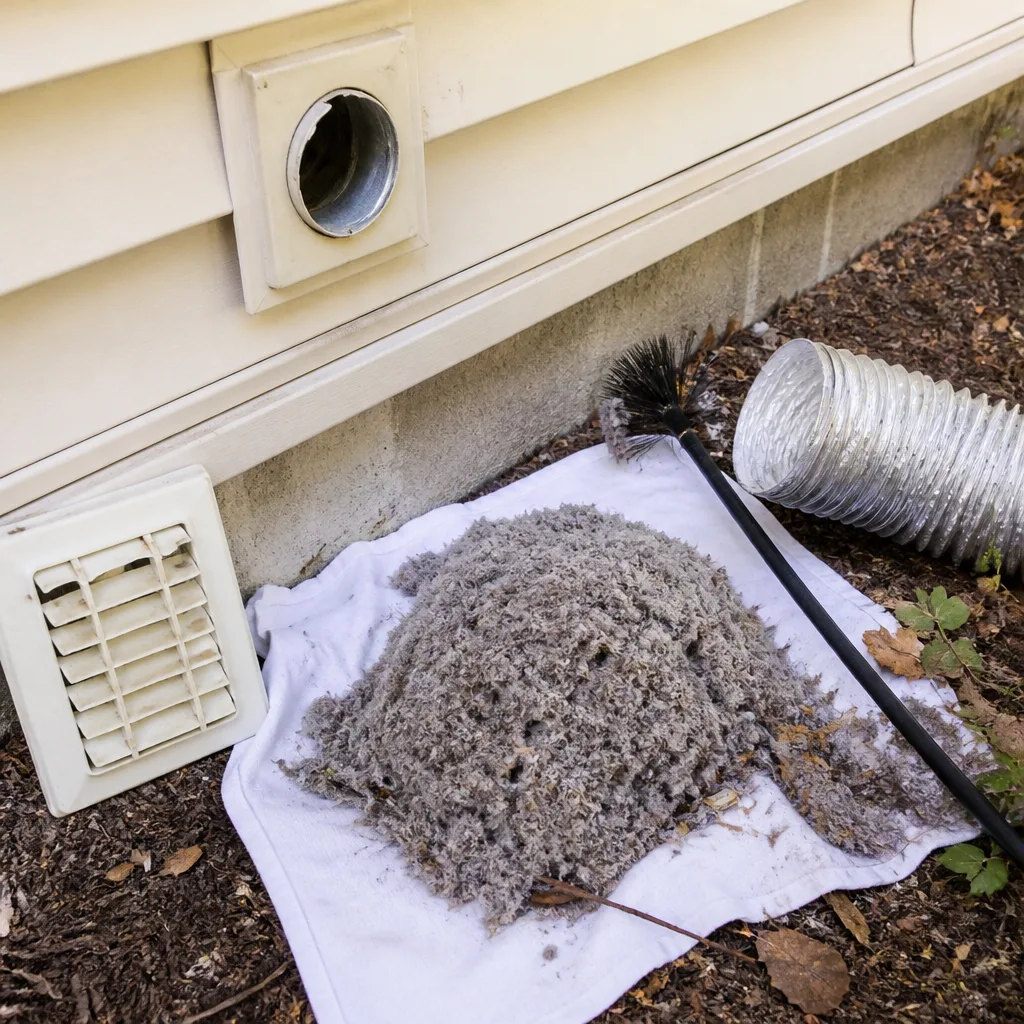 Dryer vent cleaning
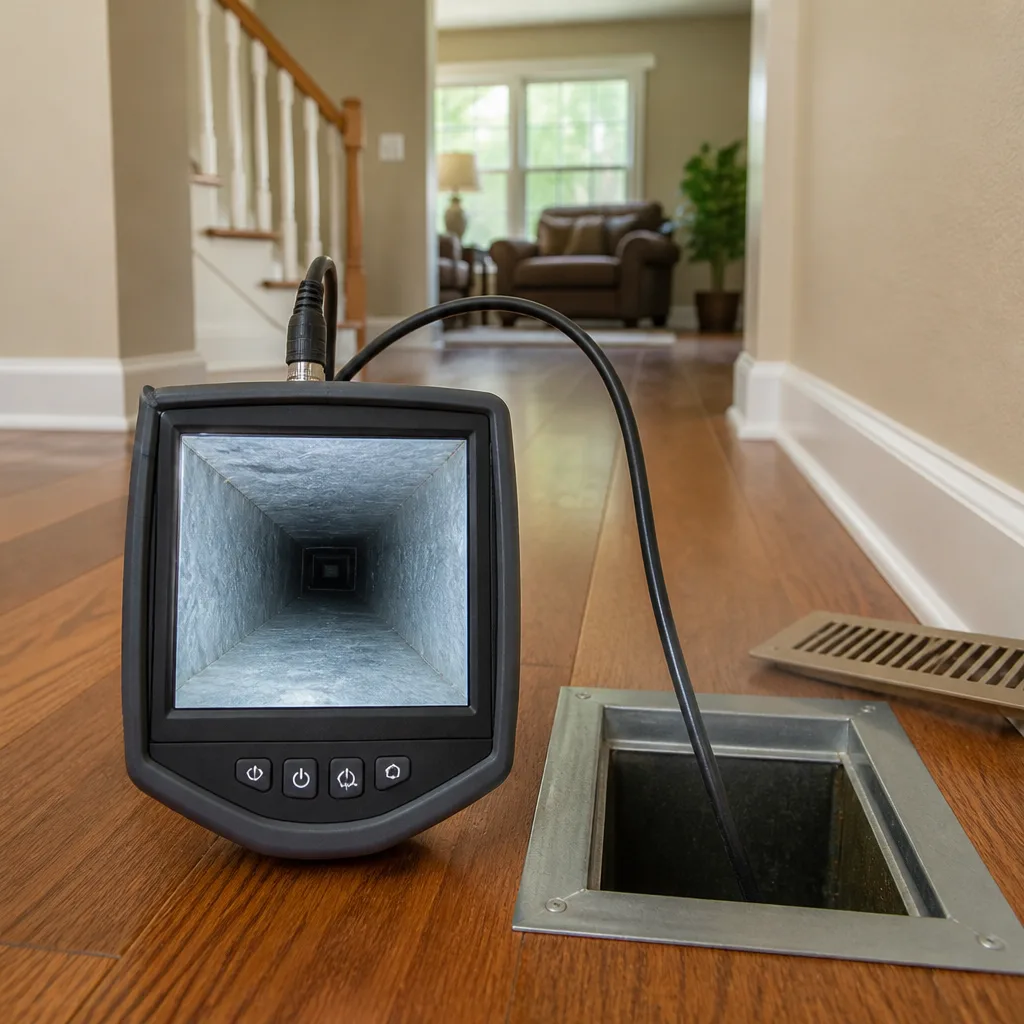 Camera inspection
 Sanitizing & deodorizing
Whole-system duct and dryer vent check with before-and-after photos - you see exactly what came out of your vents
That "$99 whole-house special" is a bait ad - the real number appears once they are in your hallway, or the "clean" is a shop-vac at the register. We photograph the inside of your ducts before and after instead.
Air Duct Cleaning Warning Signs: A Borough Park Homeowner’s Reference Guide
Dust on your supply registers a few weeks after a cleaning is not normal settling. It’s airflow turbulence. Something upstream is either restricting the air or leaking it, and the dust is landing exactly where that problem is developing. That distinction – between dirt that needs cleaning and dirt that’s a symptom of a failing duct system – is the whole point of this guide. Most warning-sign articles hand you the same five symptoms and stop there. We’re going to connect each sign to the specific component behind it, so a Borough Park homeowner can tell whether the fix is a cleaning, a repair, a seal, or an air quality test. You’ll learn what each symptom actually means.
Quick Answer
Air duct cleaning warning signs fall into two groups: dirt signals (visible dust at registers, debris at the return, musty smell) that usually call for cleaning, and system signals (uneven room temperatures, symptoms clustered in one room, dust returning fast after a cleaning) that usually mean a leak, a disconnected section, or a blower problem. In Borough Park’s older masonry and frame buildings, the system signals are the ones homeowners miss most, and they’re the ones that need air duct cleaning paired with a repair and seal rather than a vacuum alone.
Styles & brands we work with
- Whole-home duct cleaning
- Dryer vent cleaning
- Camera inspection
- Sanitizing & deodorizing
Table of Contents
- Sign 1: Dust on Registers That Comes Back Fast
- Sign 2: Musty Odors and Where They’re Coming From
- Sign 3: Uneven Room Temperatures
- Sign 4: Allergy Symptoms That Cluster in One Room
- Sign 5: Debris at the Air Handler Return
- Sign 6: Visible Dust Trails, Loose Tape, and Sagging Flex
- Sign 7: The System That Hasn’t Been Touched in Years
- Which Fix Do You Actually Need?
- Common Mistakes to Avoid
Sign 1: Dust on Registers That Comes Back Fast
A register that dusts over within a few weeks of a cleaning is telling you the dust isn’t coming from inside the duct – it’s being pushed out by turbulent air escaping a restriction or a leak nearby. Normal settled dust builds slowly and evenly. Fast reappearance after cleaning is a turbulence signature, and it points to a specific failure: a crushed flex run, a partially closed damper, a gap at a boot-to-floor seam, or a blower pushing against high static pressure.
We separate the two cases before we do anything else. Here’s the distinction that matters:
- Dirty-register dust – the dust is brown, even, and has been accumulating for a long stretch. The ducts themselves have never been cleaned. Cleaning is the fix.
- Post-cleaning reappearance – the ducts were cleaned recently and the dust is back within weeks, often black or gray and concentrated on one or two registers. This is a leak or blower issue. Cleaning alone will not hold.
To tell them apart, watch how the dust behaves rather than just how much there is. If one register in a room dusts faster than its neighbor, the supply run feeding it is the suspect. If every register in the apartment dusts evenly, the problem is more likely at the air handler – a filter that’s bypassing its frame, a dirty blower wheel, or low return capacity. In Borough Park’s older three-family buildings, we commonly see the same pattern: a bath fan or a cooking exhaust dumping humid, greasy air into the same plenum that feeds the supply, and the dust returns because the source was never addressed. The fix for that case is a seal and a filter correction, not a second cleaning.
Sign 2: Musty Odors and Where They’re Coming From
A musty smell is the most misdiagnosed sign in the trade, because the same “musty” description can come from three different components, and each one takes a different fix. Getting the source right is the difference between a problem that resolves and one that keeps coming back.
Here’s how we map a musty odor to its source:
- Drain pan smell. A wet, stale, almost sewage-adjacent smell near the air handler usually means standing water in the condensate pan or a clogged drain line. This is an HVAC service issue, not a duct cleaning issue – though the ducts downstream may also need treatment once the source is resolved.
- Duct liner smell. A musty, damp-cardboard smell that strengthens when the fan runs is often the internal fiberglass acoustic liner. If the liner has been wetted by condensation or a past leak, it traps moisture and holds odor. Cleaning helps; sometimes the liner section needs repair or replacement.
- Insulation and chase smell. A damp, woody smell from behind a wall or above a ceiling usually means wet insulation in the duct chase, which is common in Borough Park’s older masonry buildings after roof or plumbing leaks. The ducts may be dry while the chase around them stays damp.
We use Abatement Technologies equipment when the odor points to mold or contaminated material, which is remediation-grade capability rather than a standard vacuum job. Sanitizing with Guardsman-grade treatment products is a separate step from cleaning – it addresses what’s on the surface after the source is corrected. If the smell is coming back after a previous cleaning, the source was never found; call us and we’ll walk the system to locate it rather than guess at it.
Sign 3: Uneven Room Temperatures
A room that’s consistently a few degrees off from the rest of the apartment is not always an HVAC sizing problem, even though that’s the first assumption. In our experience, an out-of-balance room is more often a duct problem: a supply run that’s disconnected at the boot, a flex duct crushed behind a wall or kinked at a sharp turn, or a return path that’s undersized so the room can’t pull air back.
Here’s how we narrow it down:
- One room hot or cold, rest of the home fine – the supply run to that room is the suspect. Check for a crushed flex section, a blocked register, or a boot that’s pulled loose from the drywall.
- Upper floor of a multi-family building struggling – return capacity is usually the issue. Air can’t come back if the return path is too small or partially blocked.
- Every room drifting together – look at the air handler and filter before the ducts. A dirty blower wheel or a filter bypass affects the whole system.
What we’re watching for in a Borough Park walk-through is whether the temperature problem shows up alongside other duct warning signs – dust return, musty smell, or a register with weak flow. When it does, the whole system wants a look rather than just the warm room. HVAC cleaning on the air handler side is often how we establish whether the blower and coil are the source or the ducts are.
Sign 4: Allergy Symptoms That Cluster in One Room
Allergy or asthma symptoms that flare in one specific room and quiet down elsewhere are the body’s version of a duct diagnostic. The room is telling you something about its own supply or return path, and the pattern – which room, which season, which time of day – narrows the source.
What we look at when a homeowner tells us one room is the problem:
- Bedroom flaring overnight – the supply and return that feed that room are the focus. A bedroom that pulls from a shared return can draw air from an adjacent bathroom or kitchen, which is a cross-contamination question as much as a dust question.
- Room with a window air conditioner – window units move air within the room but don’t filter the duct supply. Dust on the window AC coil coming back season after season often comes from the duct supply, not the unit.
- Room closest to the air handler – highest static pressure is at the first takeoff. A short supply run near the plenum moves the most air and can lift the most particulate off the duct walls.
Filtration matters here, and so does understanding it. We work with Aprilaire and Honeywell air quality systems, so a technician can assess whether the filter in place is sized and sealed to the return rather than just installed into a slot. That single question – is the filter actually sealing the return opening – explains a lot of “the filter is clean but the room is still dusty” cases. Air quality you can measure, not just promise; if the answer is the filter arrangement, we’ll say so.
Sign 5: Debris at the Air Handler Return
Visible debris at the return grille or at the air handler return opening is one of the most specific signs in the whole list, because it usually means one of two things: the filter is bypassing its frame, or a duct section has partially collapsed and is dumping into the return.
Here’s how we assess it:
- Check the filter fit. A filter that sits in a slot with gaps around the edges lets unfiltered air straight into the blower. That’s a filter bypass, and it can be corrected with a properly sized filter frame.
- Check for a collapsed flex run. Flex duct that’s been crushed, kinked, or run with sharp bends can collapse and feed debris into the return.
- Check the return plenum seams. Gaps at the plenum that allow air to bypass the filter are common where older sheet metal has been patched.
A filter bypass looks like a cleaning problem but keeps coming back after cleanings – the blower is being fed unfiltered air continuously, so the ducts just re-dirty. If that’s the case, no cleaning schedule will keep up. The fix is the seal. Duct repair and sealing closes that loop, so a cleaning holds and the blower sees what the filter is supposed to be stopping.
Sign 6: Visible Dust Trails, Loose Tape, and Sagging Flex
A dust trail along a duct run – a gray line where the metal meets the seam, or dust collected at a taped joint – is the visual version of a leak. Air is escaping there, carrying dust, and depositing it along the way. Loose tape and sagging flex are the other two signs that show up on a visual inspection, and they usually travel together.
What to look for on a walk-through you can do yourself:
- Dust lines at duct seams and joints – a sign of air movement where it shouldn’t be. Every visible line is a leak.
- Tape that’s peeling or has lost adhesion – old cloth-backed or foil tape loses grip over the seasons. Where it fails, the joint opens.
- Flex duct sagging between supports – more than a small dip adds resistance and can trap dust at the low point. A crushed flex section behind a wall or under a floorboard is a common find in Borough Park’s older building stock.
- Improperly sealed takeoffs at boot connections – the gap between the duct and the floor boot is one of the most common leak points in older buildings.
We use Rotobrush rotary brush systems and Nikro HEPA vacuums to clean with, and we can close the leaks we find on the same visit. From cleaning to repair to sealing, one crew, one visit, one less thing to worry about. Sealing after cleaning is what keeps the next round of dust from landing in the same places.
Sign 7: The System That Hasn’t Been Touched in Years
The absence of a warning sign is itself a warning sign when a duct system has gone a long stretch without attention. Dust, allergen, and microbial load accumulate silently, and a system that “seems fine” may simply have crossed into a level of contamination a homeowner can’t smell or see until something else changes – a new baby in the apartment, a renovation, an allergy diagnosis.
We tell homeowners in this situation the same thing: the fix is a full assessment, not a guess. That means the air handler, the filter arrangement, the duct runs, and the return path in one visit. For a Borough Park building where a family has just moved in, that assessment usually surfaces at least one thing that would have waited another year: a filter bypass, a leak at a boot, a flex run past its useful life. The same is true for property managers responsible for multiple apartments – a duplex or a three-family with a shared HVAC problem is worth one thorough look before it becomes a tenant complaint.
Which Fix Do You Actually Need?
Here’s the decision table we use when a Borough Park homeowner asks which service applies. Each warning sign points to a specific fix, and the fix is what resolves the sign – cleaning alone is only correct for one of the rows.
- Sign: dust at registers builds slowly over months. Fix: cleaning. Rotobrush and Nikro equipment address the duct interior.
- Sign: dust returns within weeks of cleaning, concentrated on one or two registers. Fix: find and seal the leak, then re-clean. Air duct cleaning on its own will not hold.
- Sign: musty smell strongest when the fan runs. Fix: locate source (pan, liner, chase). Cleaning plus sanitizing on the affected sections, with Guardsman-grade treatment products after cleaning.
- Sign: one room hot or cold, others fine. Fix: inspect the supply and return path to that room; repair or re-seal the boot or flex section.
- Sign: allergies flare in one room. Fix: filter and return assessment; whole-home air quality review; possibly an Aprilaire or Honeywell filtration correction.
- Sign: visible debris at the return. Fix: seal the filter frame and inspect for a collapsed flex run. Cleaning after the seal.
- Sign: dust trails at seams, loose tape, sagging flex. Fix: duct repair and sealing across the visible runs, then clean.
That list is also the reason we don’t treat a duct visit as a single-service job. Air Duct Cleaning Borough Park covers all five lines – air duct cleaning, dryer vent cleaning, HVAC cleaning, duct repair and sealing, and air quality and sanitizing – so the visit can address what the signs actually show. A one-service van that has to call in a separate contractor for the sealing or the sanitizing leaves the leak open; the fix is complete on one visit. Dryer vent cleaning is part of the same visit for many Borough Park households, because the dryer vent runs near the duct path in a lot of the borough’s older building stock and an inspection of one is a natural moment to look at the other.
Common Mistakes to Avoid
- Assuming post-cleaning dust is normal. A light film on registers is normal. Dust returning to the same registers within weeks is not – a leak or blower issue is feeding it. Treating it as normal means the source never gets fixed.
- Cleaning without sealing. A cleaning on a duct system with open seams at the boots and takeoffs is a cleaning that won’t hold through a Borough Park heating season. Seal first, or clean and seal in the same visit.
- Sanitizing a musty smell without finding the source. A sanitizing treatment on wet insulation or a standing drain pan masks the smell for a few weeks and then it returns. Locate the source before treating the surface.
- Replacing the filter more often to “fix” a dust problem. If the filter slot is bypassing, a new filter every month is wasted. Correct the frame fit and the dust load drops.
- Hiring a quote that prices per vent. Per-vent pricing encourages vent-by-vent upsells and tells you nothing about what’s happening at the air handler. A whole-system quote based on the actual layout is the honest comparison.
- Ignoring the dryer vent while the ducts are being serviced. Dryer vents cleaned to fire-safety standards, not just lint-trap standards, is a separate line for a reason – a blocked dryer vent is a fire risk, and it’s a fifteen-minute add to a duct visit.
- Skipping the walk-through when everything seems fine. In an older Borough Park building, an inspection is the cheapest way to find a filter bypass or a crushed flex run before it becomes a bigger job.
See the difference
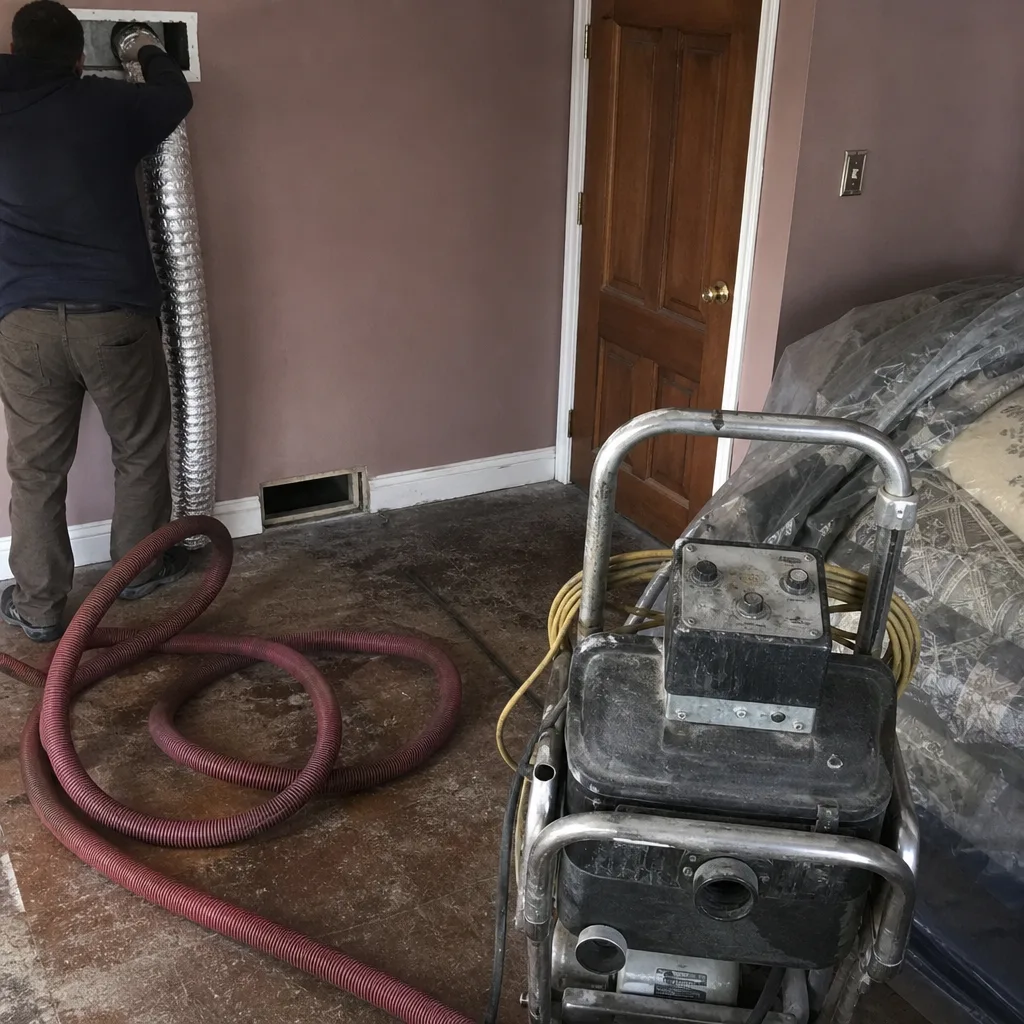 Before
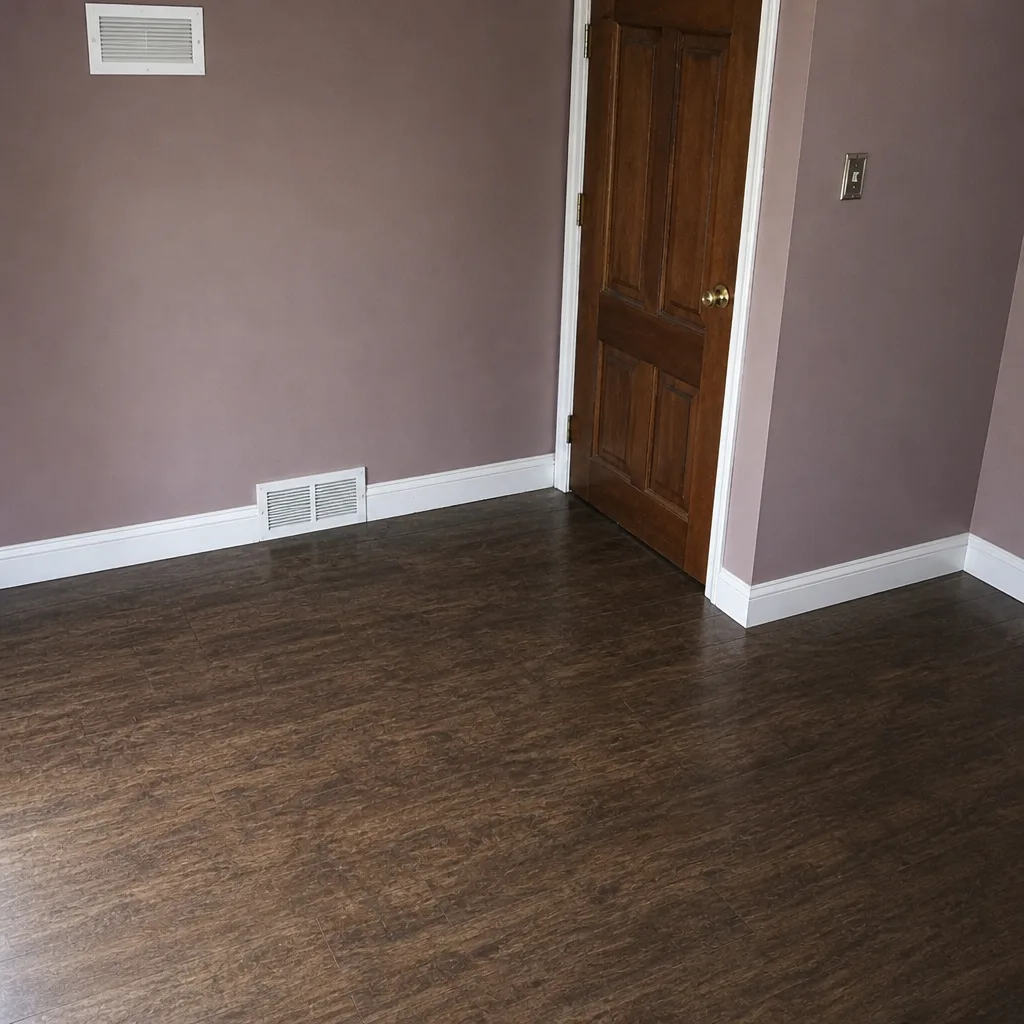 After
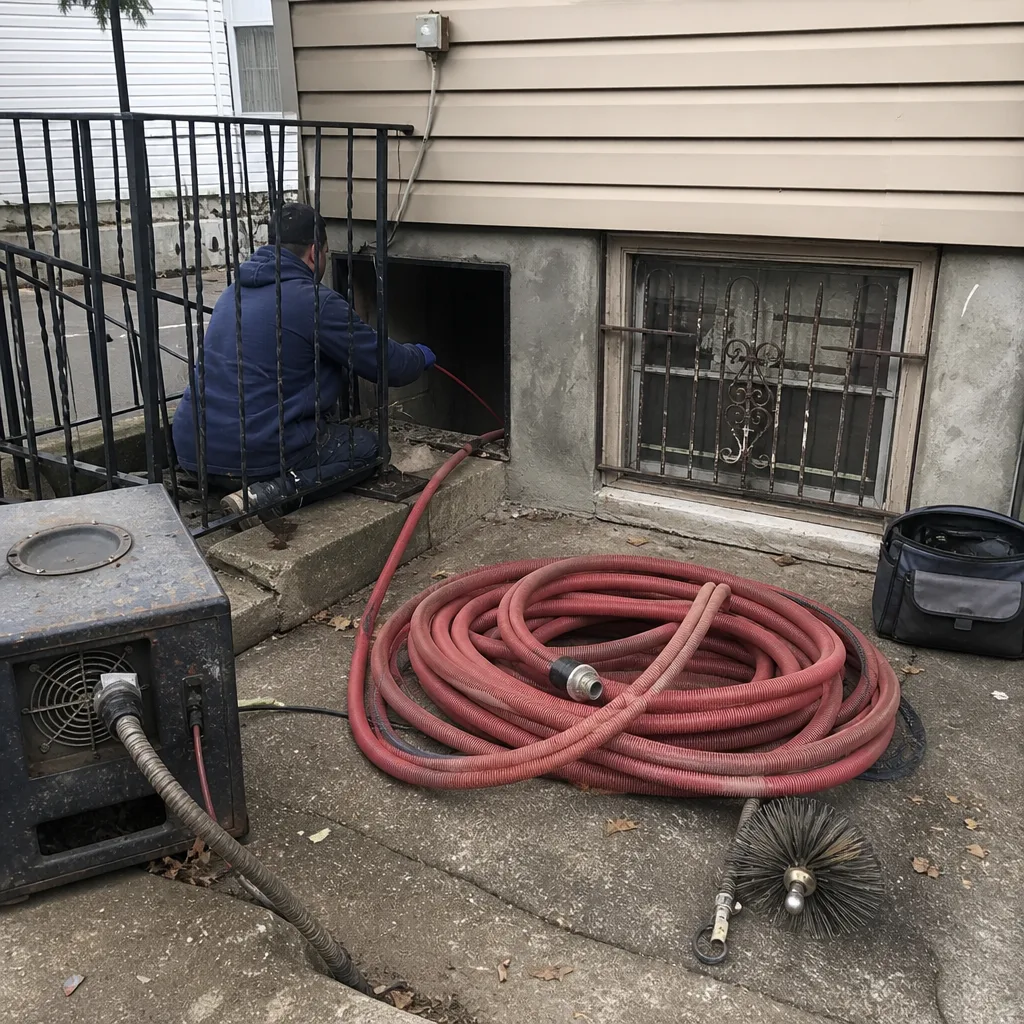 Before
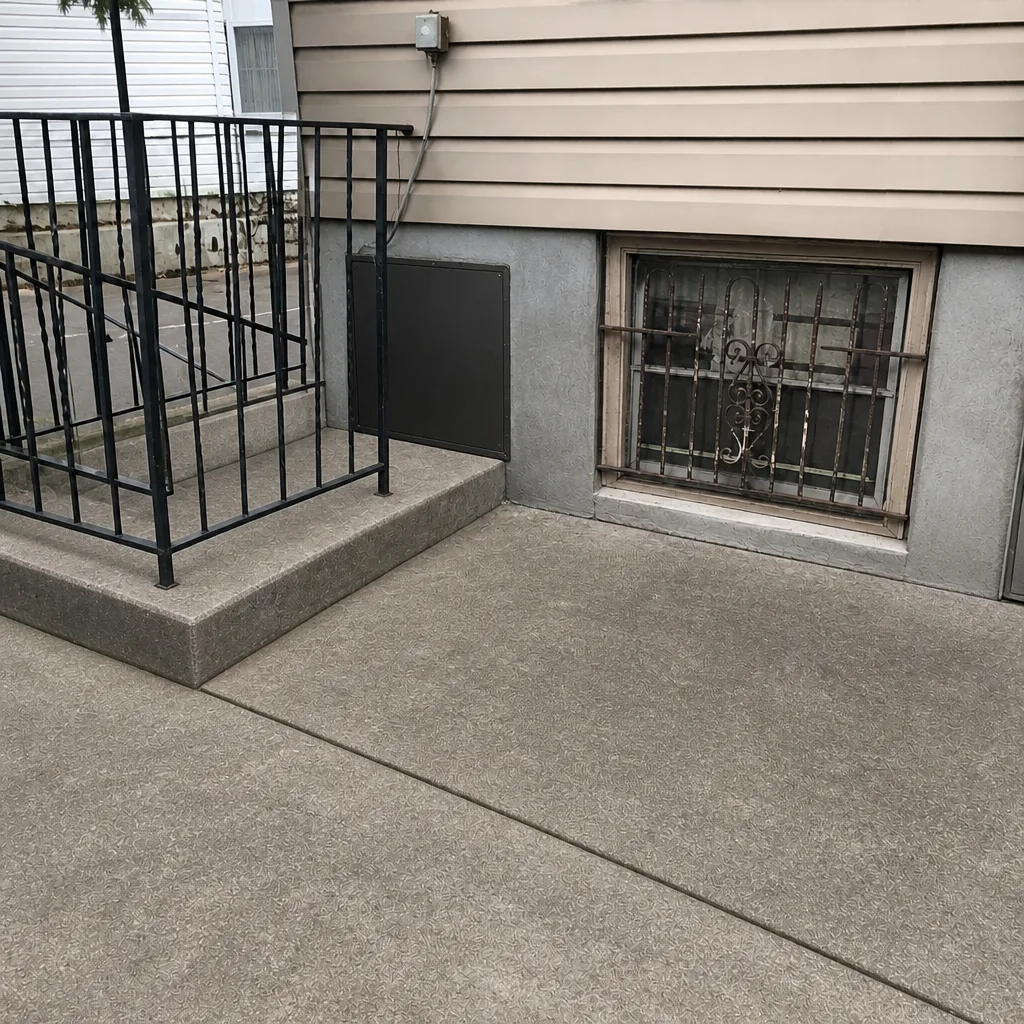 After
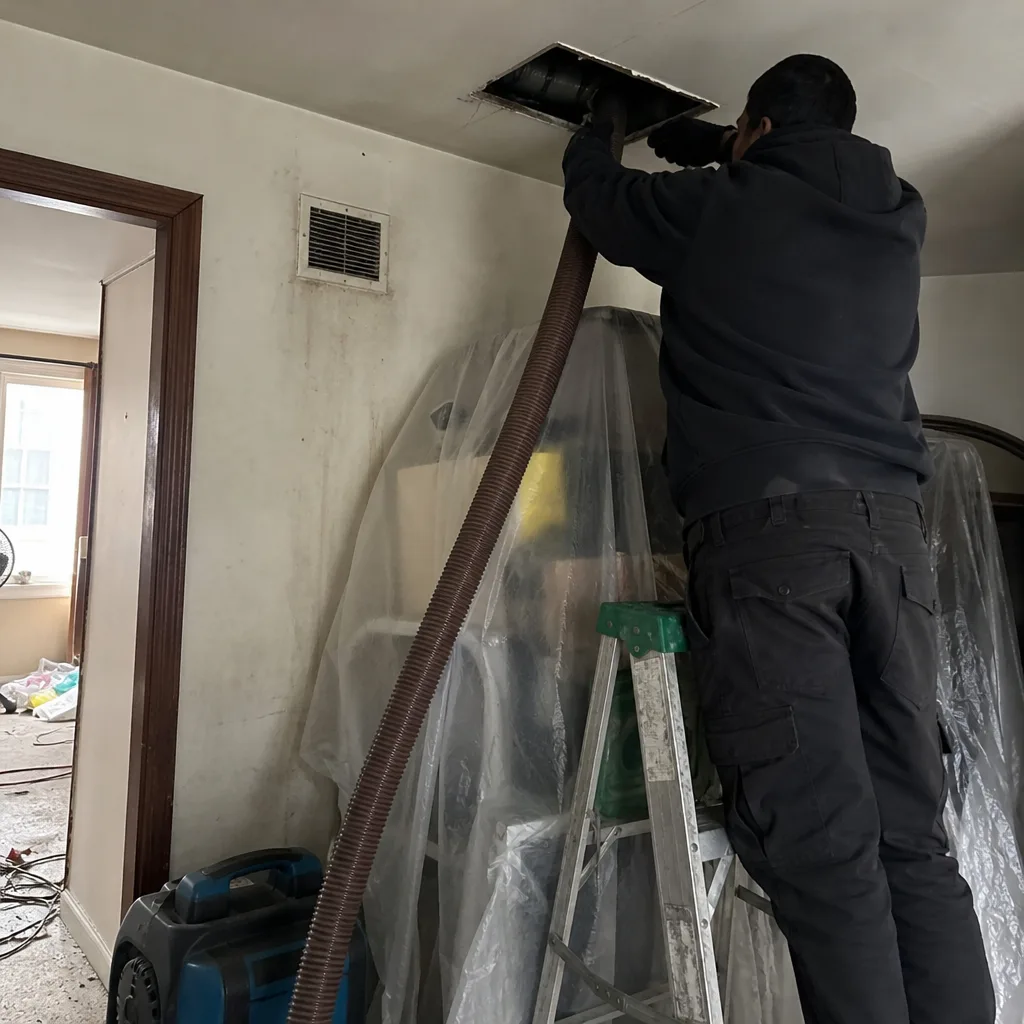 Before
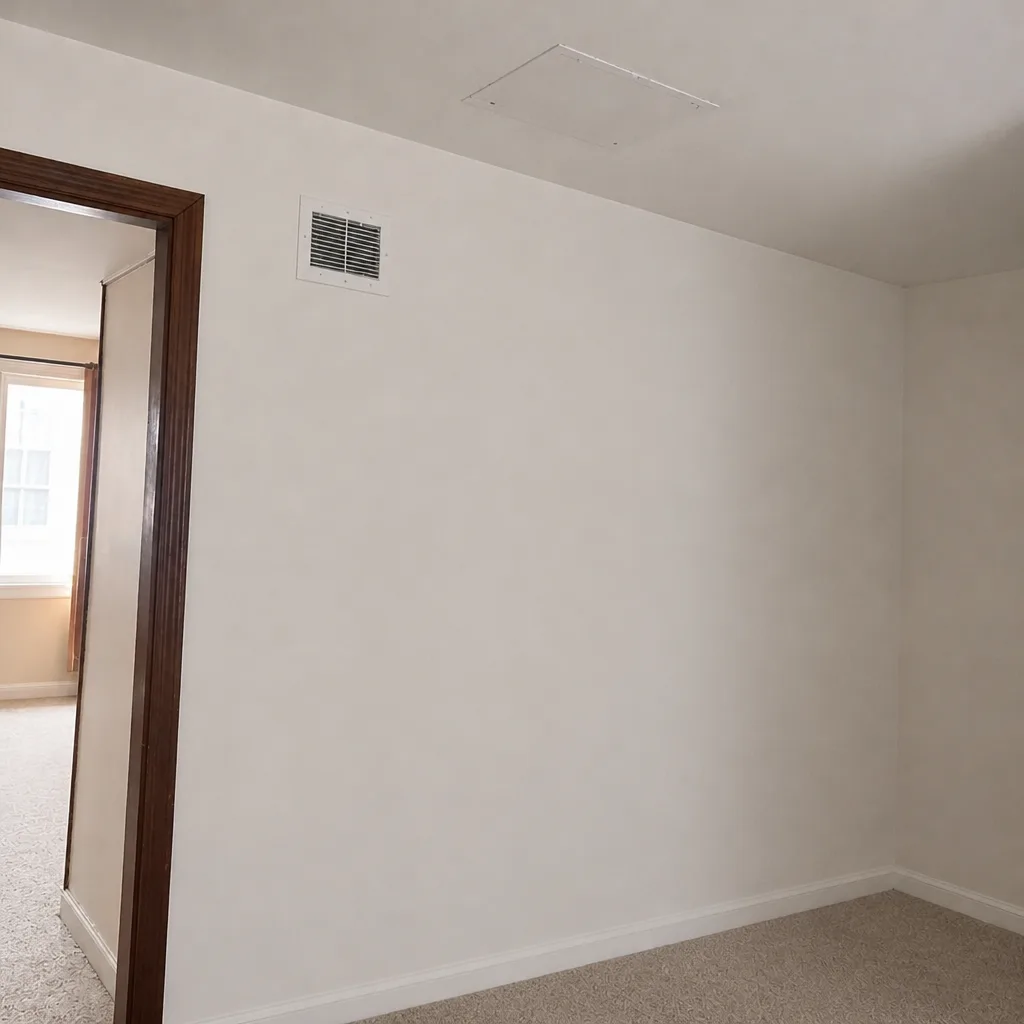 After
When to Call a Professional
Call us when a warning sign has pointed to more than a cleaning. That includes dust returning fast after a prior cleaning, a musty smell that gets stronger when the fan runs, one room that won’t stay in line with the rest of the apartment, allergy symptoms clustering in a single room, or visible debris at the return. Those cases need an assessment that covers the air handler, the filter arrangement, the duct runs, and the return path in one visit. If a duct has been crushed behind a wall, if the filter slot is bypassing, or if a flex run needs repair, cleaning on its own will not resolve the sign. Our technicians have up to 12 years of experience; Air Duct Cleaning Borough Park offers free estimates in Borough Park – call (855) 337-2070. We answer 24/7. Fast dispatch from 7am to 7pm, Sunday through Friday.
Frequently Asked Questions
The price is set per job by a written estimate based on the system, not per vent. We quote after walking the layout, the number of runs, and what the duct and sealing work needs, and the written estimate is the final price. Call (855) 337-2070 for an exact quote – estimates are free.
Cheaper quotes are usually per-vent pricing or cleaning-only visits that leave the leaks and filter bypass in place, so the same job has to be done again next season. Our price is one flat price per system agreed before work starts, with before-and-after photos of your own ducts. If a quote is far below the others, ask what it covers at the air handler and whether sealing is included. Call (855) 337-2070 for an exact quote – estimates are free.
Ask for before-and-after photos of your own ducts, and expect a technician to show you the filter arrangement, the seams, and the return path as part of the visit. Before-and-after photos are part of every job we connect you with, and a satisfaction guarantee stands behind the work. Call (855) 337-2070 for an exact quote – estimates are free.
Most Borough Park homes benefit from a full duct cleaning every few years, with an inspection in between. The schedule tightens if there’s a renovation, a pet, a smoker in the household, or a filter that keeps bypassing. If dust returns quickly after a cleaning, the issue is a leak or blower problem, not frequency. Call (855) 337-2070 for an exact quote – estimates are free.
No. A light film of settled dust is normal, but dust concentrated on the same registers within a few weeks is a sign of a leak or a blower pushing against high static pressure somewhere upstream. Call (855) 337-2070 for an exact quote – estimates are free.
Yes. Air Duct Cleaning Borough Park covers all five service lines – air duct cleaning, dryer vent cleaning, HVAC cleaning, duct repair and sealing, and air quality and sanitizing – so a single visit can address the cleaning, the sealing, and the air quality work together. Rotobrush and Nikro equipment handles the cleaning; Abatement Technologies and Guardsman-grade products handle the remediation and saniting side. Call (855) 337-2070 for an exact quote – estimates are free.
The Bottom Line
Warning signs in air ducts are not interchangeable. Dust that comes back quickly means a leak or a blower issue; a musty smell means one of three specific sources that each take a different fix; a cold room means an undersized return or a disconnected supply. Borough Park’s older buildings make the system signals more common, and the fix is sealing and repair as much as cleaning. We handle all five service lines under one roof, so the signs are addressed in one visit rather than three. One flat price per system agreed before work starts, before-and-after photos, satisfaction guarantee. Call (855) 337-2070. We answer 24/7. Fast dispatch from 7am to 7pm, Sunday through Friday.
Written by the team at Air Duct Cleaning Borough Park.