
Last updated November 22, 2026
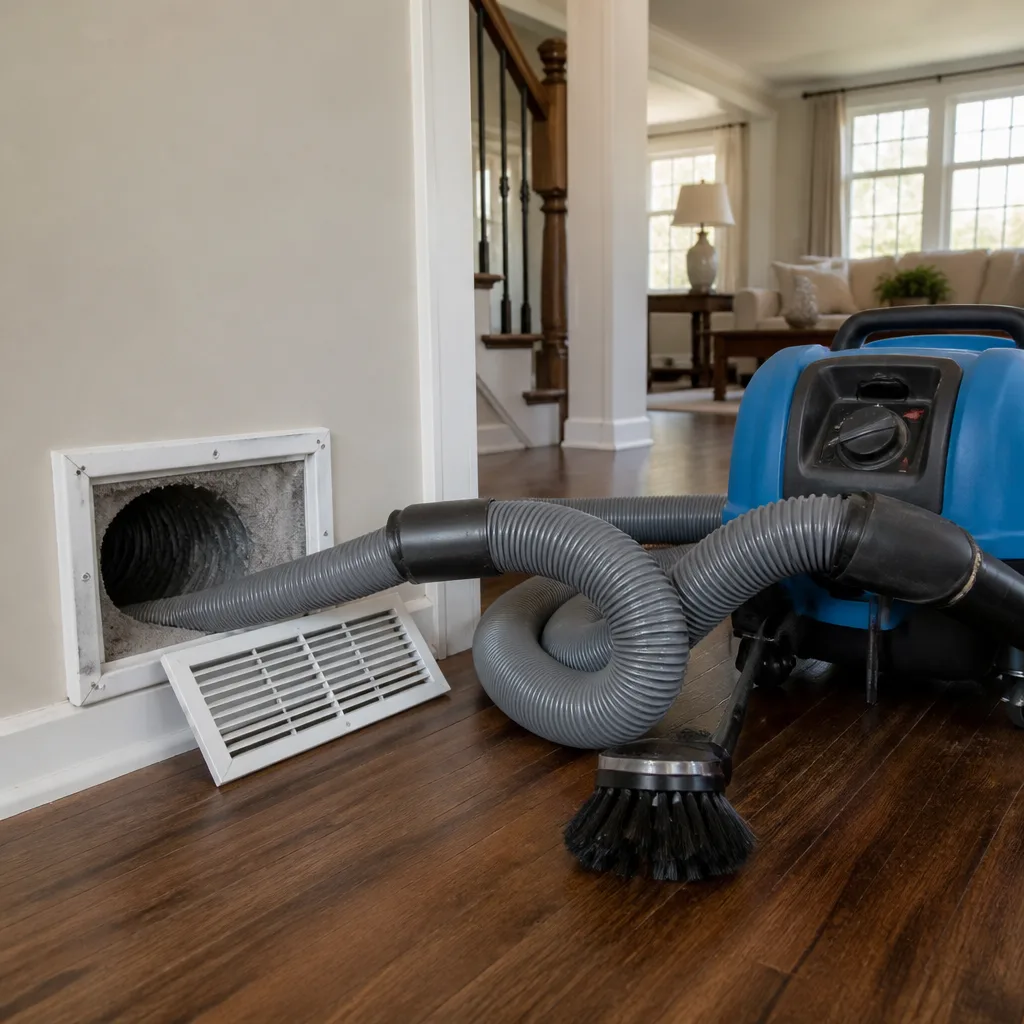 Whole-home duct cleaning
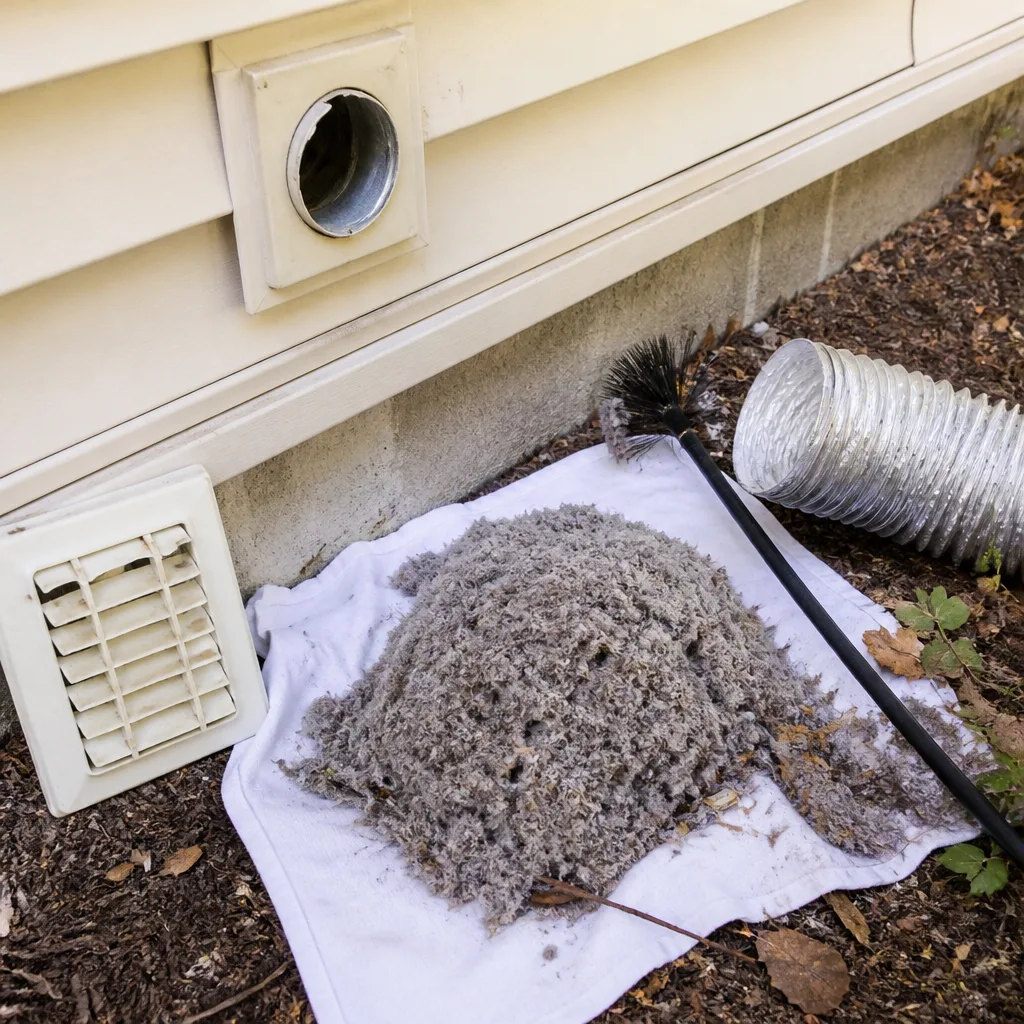 Dryer vent cleaning
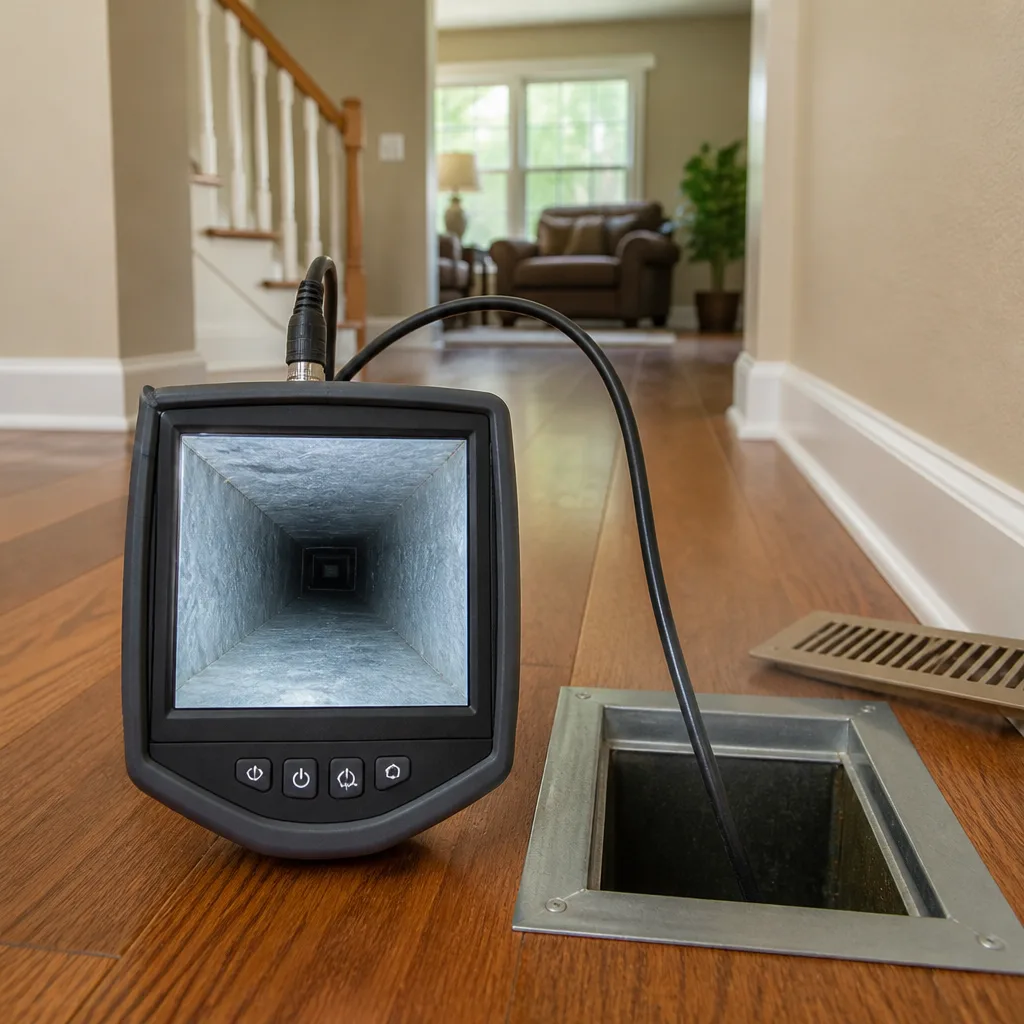 Camera inspection
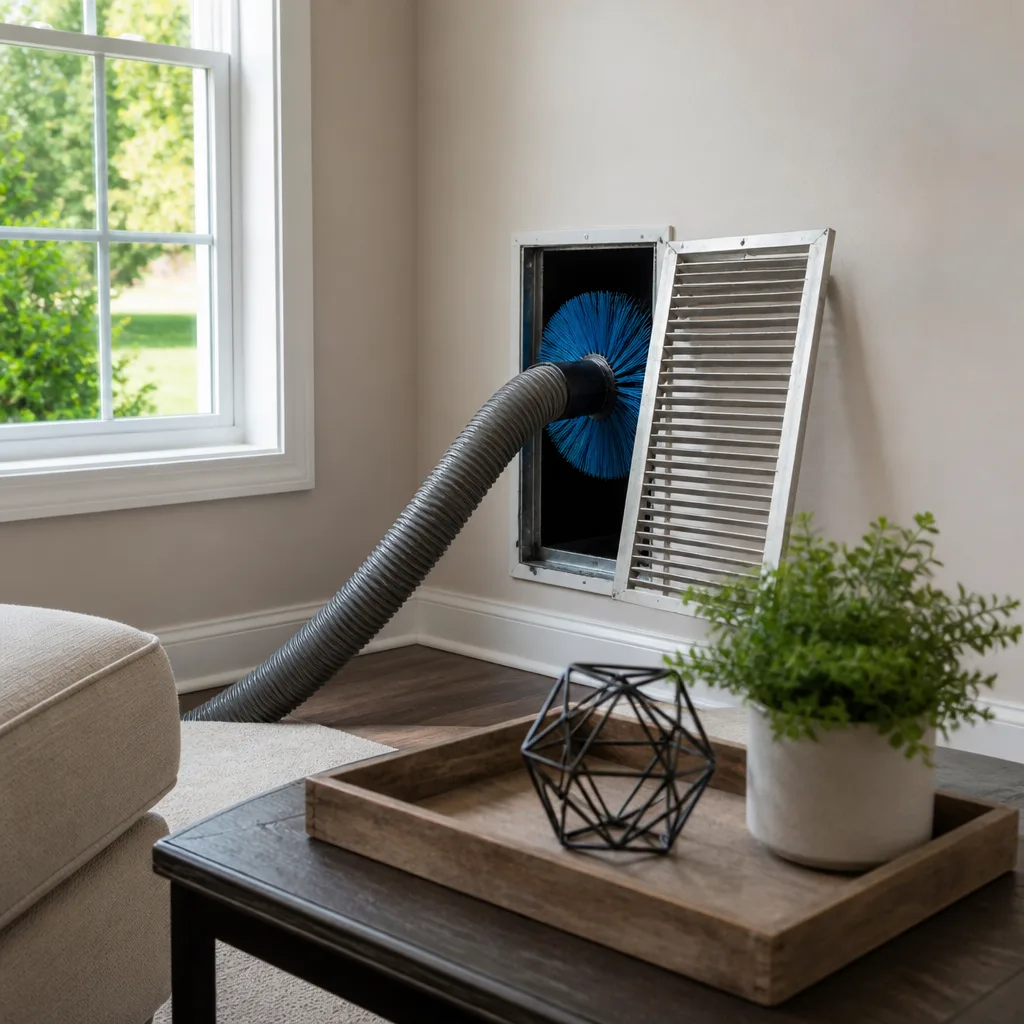 Sanitizing & deodorizing
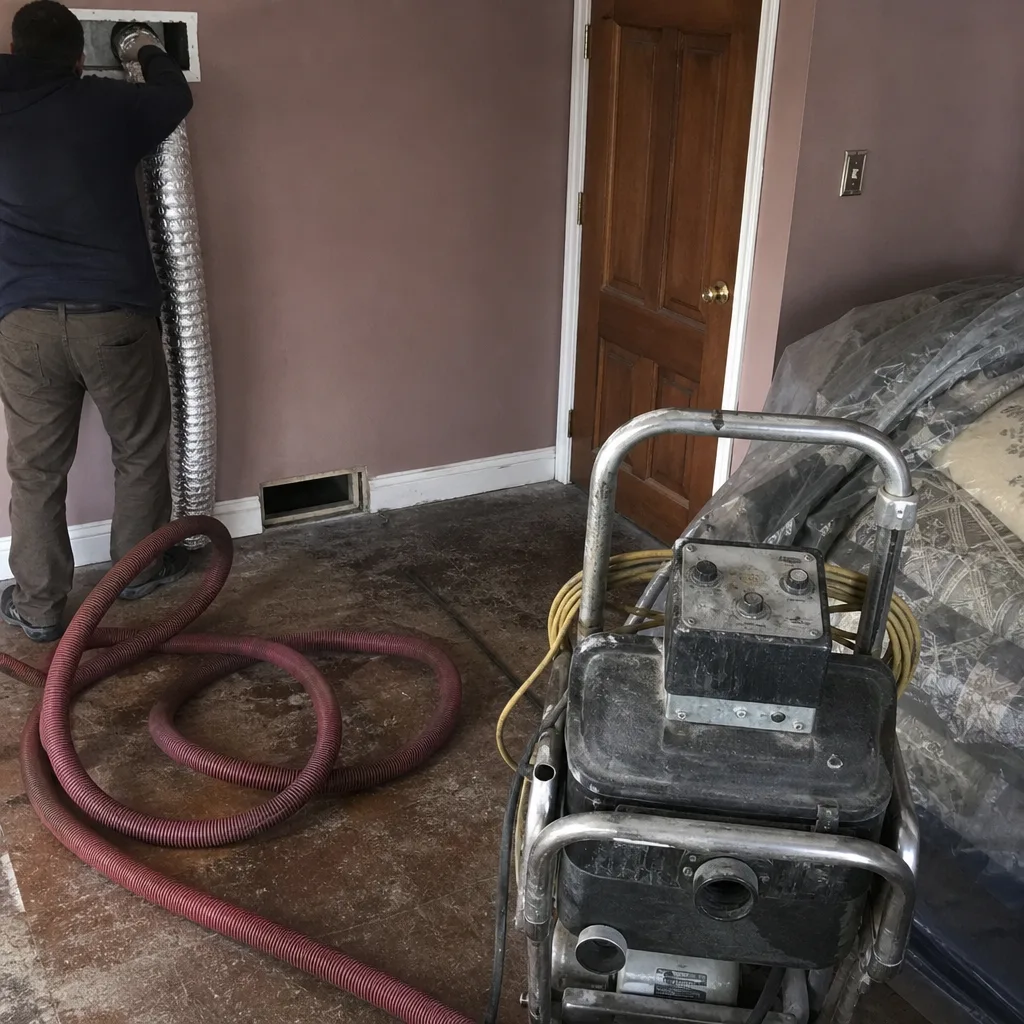
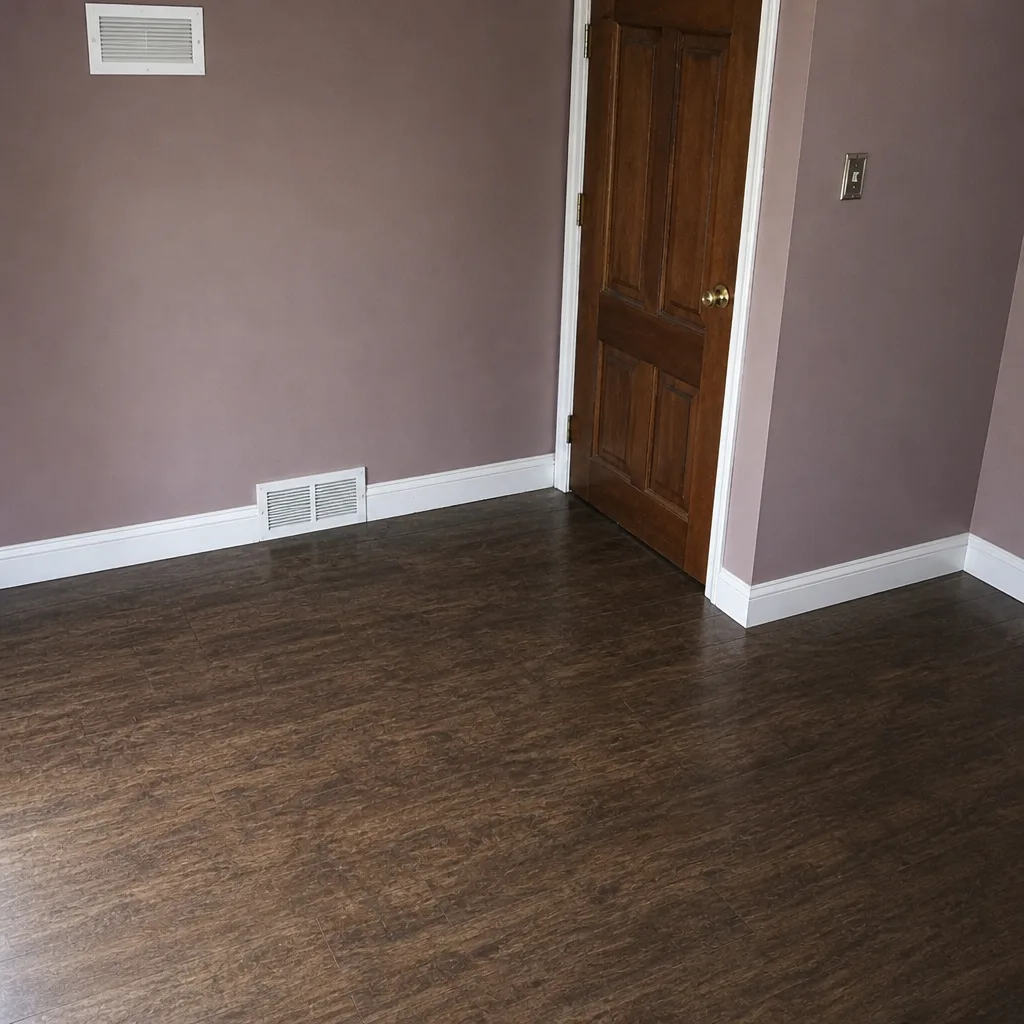
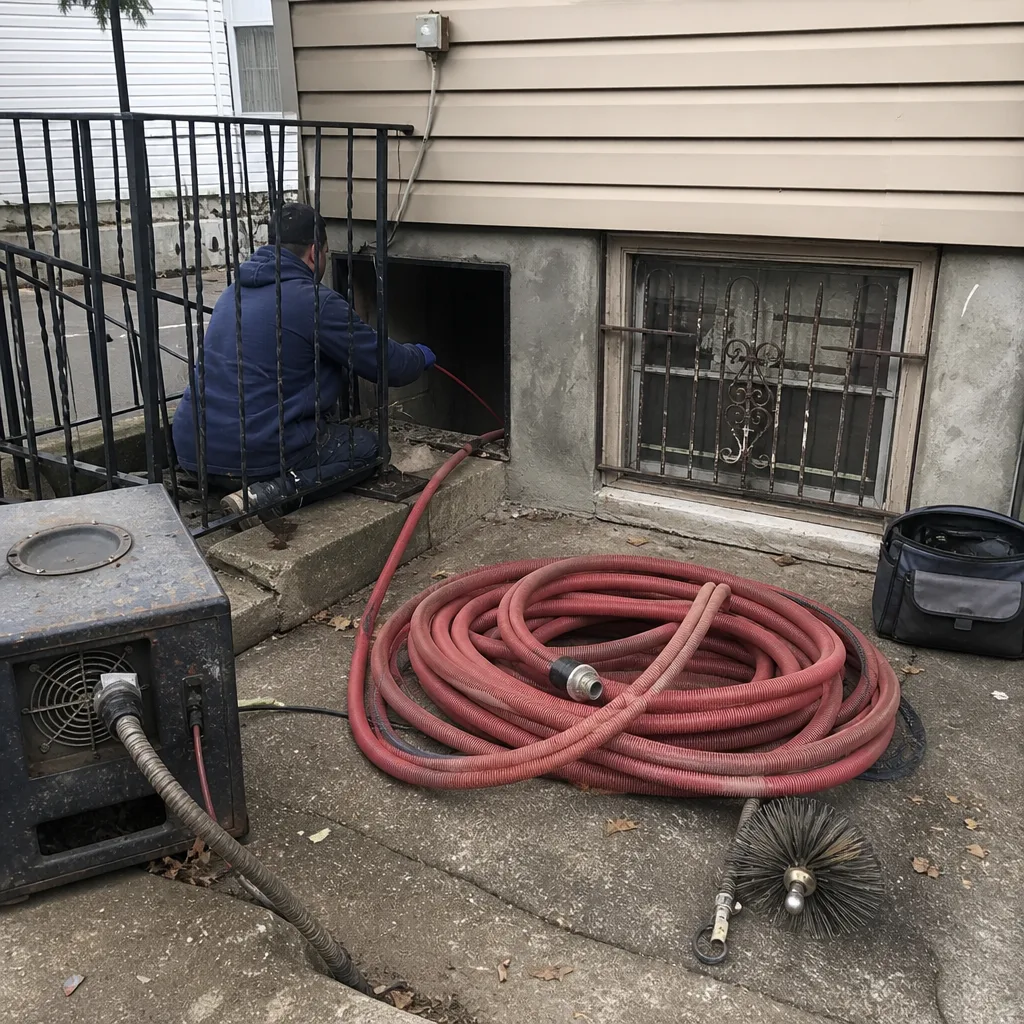
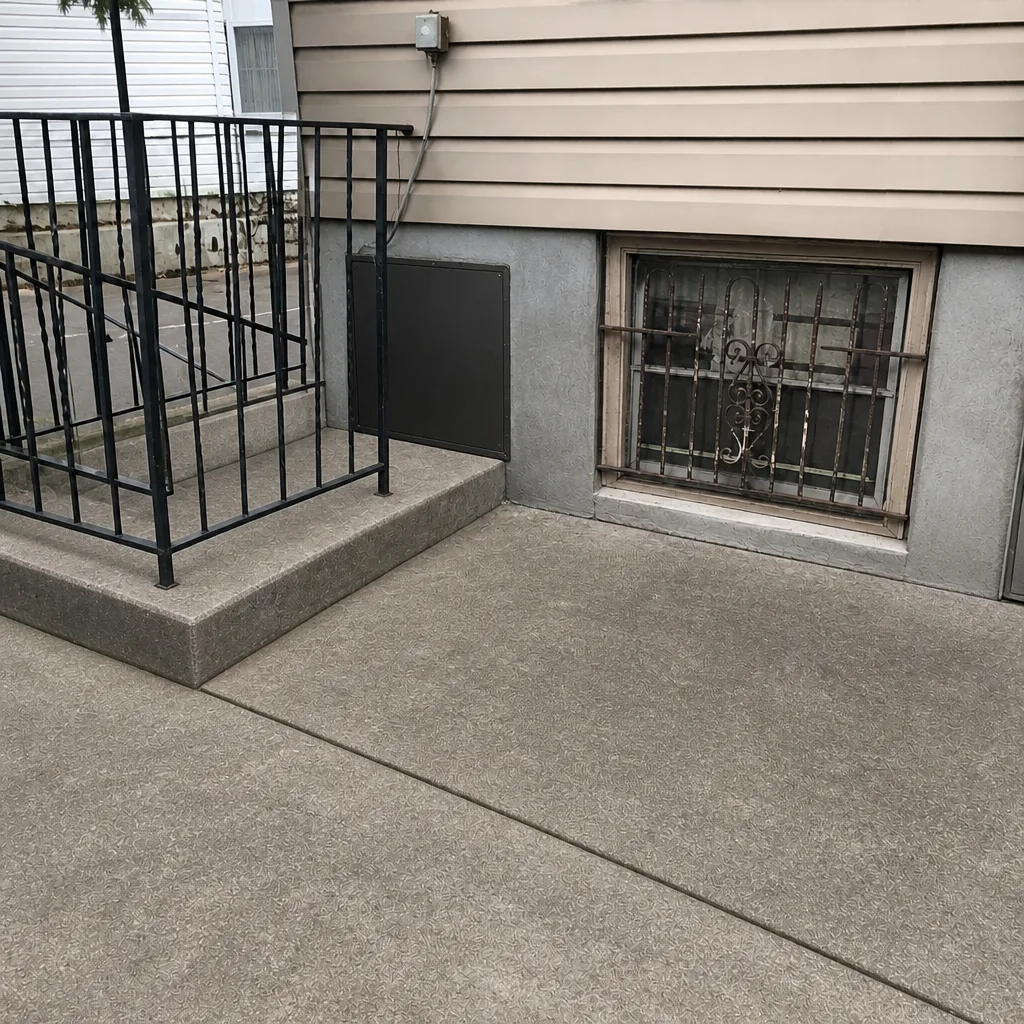
Whole-system duct and dryer vent check with before-and-after photos - you see exactly what came out of your vents
That "$99 whole-house special" is a bait ad - the real number appears once they are in your hallway, or the "clean" is a shop-vac at the register. We photograph the inside of your ducts before and after instead.
Air Duct Cleaning Troubleshooting in Borough Park: Common Problems and How to Fix Them
If one room in your Borough Park apartment is always 8 – 10°F colder than the rest, your ducts have a pressure problem – and no amount of cleaning will fix it until the breach or blockage is located. That’s the part most homeowners miss. Weak airflow, stubborn odors, and rooms that never quite heat get blamed on the furnace or the AC, when the real failure is sitting inside the duct system itself: a disconnected joint behind a wall, a crushed run of flex duct, a damper stuck half-closed. Cleaning a duct that’s leaking just moves dust around. This guide maps each symptom to its actual cause so you know what’s broken before you call anyone, and what fixing it really involves in Borough Park.
Quick Answer
Most air duct problems in Borough Park trace back to three things: leaks at joints and connections, blockages from collapsed or disconnected duct runs, and contamination built up on coils and duct walls. Cleaning solves the third. Sealing and repair solve the first two. Diagnosing which one you’re dealing with – before anyone shows up – is what saves you money and gets your system actually working again.
Styles & brands we work with
- Whole-home duct cleaning
- Dryer vent cleaning
- Camera inspection
- Sanitizing & deodorizing
Table of Contents
- Symptom-to-Cause: What Your Ducts Are Telling You
- Cleaning vs. Sealing vs. Repair: How to Tell the Difference
- Why Borough Park’s Prewar Rowhouses Behave Differently
- What a Pressure Drop Test Reveals That Eyes Can’t
- What You Can Check Yourself vs. What Needs a Professional
- The Five Components That Affect What You Breathe
- Dryer Vents: The Troubleshooting Most Homeowners Skip
- Common Mistakes to Avoid
Symptom-to-Cause: What Your Ducts Are Telling You
Every duct problem announces itself through a symptom. The trick is reading that symptom correctly. Below is how we map what homeowners describe to what’s actually happening inside the system. Use this table as a starting point for your own walkthrough.
- Weak airflow from every register: Usually a clogged filter, a failing blower, or a main trunk that’s disconnected or crushed. If one register is weak and the rest are strong, the problem is downstream of that branch.
- Weak airflow from one register only: A collapsed flex run, a damper closed by accident, or debris lodged in the branch.
- Musty or stale odor when the system kicks on: Biological growth on the evaporator coil, standing moisture in a low duct run, or contamination on duct walls that reactivates every time air moves.
- Dusty smell that gets worse with use: A dirty coil or a heavy accumulation of dust inside the ducts that gets stirred up with each cycle.
- Rattling or whistling noise: A loose joint, an undersized return, or a damper that’s partially closed and creating turbulence.
- Uneven temperatures room to room: A pressure imbalance across the system, which almost always means leaks, blockages, or a design problem – not just dirt.
- Visible dust blowing out of a register: A breach between the duct and the living space, typically at a boot or connection point.
Notice that only two of these are primarily cleaning problems. The rest are integrity problems. That distinction drives everything else in this guide.
How to Walk Your Own System
- Start at the air handler and note whether the filter is clean and correctly sized.
- Move room to room and feel airflow at each register with the system running.
- Note temperature differences using a simple thermometer – not by feel.
- Listen at each register for whistling, rattling, or whooshing.
- Write down which rooms are affected and which aren’t. Patterns matter.
That list takes fifteen minutes and gives a technician a head start before they even open a panel. More on that below.
Cleaning vs. Sealing vs. Repair: How to Tell the Difference
Confusing a cleaning problem with a sealing or repair problem is the most expensive mistake homeowners make with ducts. Cleaning a leaking duct does nothing for the leak. Sealing a dust-choked duct leaves the dust in place. And repairing a single collapsed run without looking at the whole system can leave you with three other problems waiting to surface.
Here’s the honest split:
- Cleaning addresses contamination – dust, debris, microbial growth on surfaces, and buildup on the coil and blower. If your system moves air fine, temperatures are even, but odors and dust are the complaint, cleaning is usually the right answer.
- Sealing addresses leaks. If you’re paying to condition air that’s escaping into a crawl space, an attic, or a wall cavity, no amount of cleaning will fix your energy bill or your uneven temperatures. Sealing at joints, boots, and connections is what closes that gap.
- Repair addresses physical failure – a disconnected joint, a crushed flex run, a collapsed trunk, a broken damper. These require mechanical work, not cleaning equipment.
In practical terms, the best visits combine all three. We handle air duct cleaning alongside duct repair and sealing because separating them creates the exact problem homeowners complain about: a cleaned system that still doesn’t perform. In our experience, a duct that’s been leaking for years also tends to be a duct that’s been pulling contaminated air from a wall cavity for years – so cleaning without sealing just creates a clean duct that gets recontaminated. There’s a reason we treat these as one job, not three.
The Test That Tells You Which One You Need
- Check static pressure at the air handler. High static pressure with clean filters points to a blockage, not dirt.
- Run a smoke pencil along accessible joints. If smoke pulls into a joint, that’s a leak that sealing will fix.
- Compare register airflow before and after a filter change. If nothing changes, the filter wasn’t the problem.
- Compare room temperatures. A single cold room with good airflow means a delivery problem. A single cold room with poor airflow means a supply problem.
If more than two of those tests point toward leakage or blockage, cleaning alone won’t get you where you want to be.
Why Borough Park’s Prewar Rowhouses Behave Differently
Borough Park is full of buildings that weren’t designed for the duct systems they now carry. Many of the older rowhouses here started life with gravity heating – big, oversized ducts that relied on warm air rising through a central chase – and were later converted to forced-air furnaces. The conversion rarely involved redesigning the duct layout. It just hooked a fan up to the existing gravity system and hoped for the best.
What that means in practice:
- Oversized trunks, undersized branches. Gravity systems used wide, slow-moving ducts. When a blower pushes air through them, the velocity drops in the trunk and rises at the branches, which creates pressure imbalances room to room.
- Long, indirect routing. Because those ducts followed gravity’s path, they often wander through interior walls rather than running short and direct. More length, more joints, more leak points.
- Mixed materials. A duct system that’s been patched over decades might have sheet metal in one section, flex duct in another, and duct board in a third. Each material behaves differently under pressure and each fails in its own way.
- Shared chases in multi-unit buildings. In apartment layouts, ducts and returns can run through shared interior walls. That’s not always a code problem, but it is a pressure problem – and it’s a common reason one apartment’s system pulls air from somewhere unexpected.
None of this means prewar Borough Park buildings are worse. It means they’re different, and a technician who only knows modern forced-air layouts will miss what’s actually happening. We’ve spent enough time in these buildings to know that a collapsed run hidden behind a plaster wall or a joint that’s been sealed with duct tape for thirty years is the rule here, not the exception. When we do air duct cleaning in Borough Park, we start with the building, not the register.
What That Means for Cleaning
Older duct systems accumulate differently. Plaster dust from prior renovations, rust scale from older sheet metal, and lint from decades of airflow all mix into a layer that standard vacuuming won’t fully remove. That’s why we use Rotobrush rotary brush systems – the mechanical agitation actually breaks that layer loose from the duct wall, and a Nikro HEPA vacuum captures it instead of pushing it into the room. On a modern, smooth metal duct, a lighter approach can work. On a prewar system, it rarely does.
What a Pressure Drop Test Reveals That Eyes Can’t
A visual inspection can only see what’s in front of the camera. It can’t tell you how much air your system is actually moving, where it’s losing pressure, or which duct run is the weakest link. A pressure drop test can. This is the test most homeowners don’t know exists, and it’s often the difference between fixing the real problem and chasing symptoms.
Here’s the concept in plain terms. Every duct system has a designed static pressure – the resistance the blower has to push against. When that number is higher than it should be, air isn’t moving the way the system was built for. Common causes:
- A crushed or disconnected run that’s acting like a cork
- Undersized return air, which starves the blower
- A dirty evaporator coil that’s restricting flow at the source
- A duct system that was never balanced to begin with
The test itself is quick. A technician taps into the supply and return near the air handler and reads static pressure with the system running. Compare that reading against the equipment’s rated pressure, and the gap tells you how much is being lost. If the gap is large and the filters are clean, you’re looking at a duct problem – not a cleaning problem, not an equipment problem.
When to Ask for One
Ask for a pressure drop test if you’ve had the ducts cleaned and your symptoms returned. Ask for it if a room has never heated correctly no matter what you do. Ask for it if a contractor has told you “your system is just like that.” A system that’s badly balanced isn’t broken – it’s misdiagnosed. The pressure test is how you find out which.
We carry the equipment to run one on every visit. That’s not a marketing point; it’s just what you need to troubleshoot a duct system properly instead of guessing. If you want a technician to walk you through what your system is doing, call (855) 337-2070. We answer 24/7. Fast dispatch from 7am to 7pm, Sunday through Friday.
What You Can Check Yourself vs. What Needs a Professional
There’s a real line between what’s safe to check yourself and what isn’t. Respecting that line saves you time and keeps you out of trouble. Here’s the honest split.
You Can Safely Check
- Filter condition and filter size – change or clean it as often as the manufacturer specifies
- Visible blockages at registers and return grilles
- Whether furniture, rugs, or curtains are covering registers
- Airflow at each register with the system running
- Room temperature readings with a standard thermometer
- Visible mold or moisture at accessible duct openings (not inside the ducts)
- Whether the return grille is pulling air as strongly as the supplies are pushing it
Needs a Professional
- Anything behind a wall, ceiling, or floor – including inspecting the interior of the duct runs
- Opening the air handler cabinet to inspect the coil or blower
- Removing or adjusting dampers inside a duct
- Sealing joints and connections that aren’t accessible from a register
- Repairing a collapsed, disconnected, or crushed duct run
- Assessing contamination inside ducts or on the coil
- Any work involving gas lines, electrical connections, or the combustion side of the equipment
That last group is where safety matters most. Ducts are connected to equipment that handles gas and electricity. A technician opening a furnace cabinet or tracing a duct through a wall cavity knows what’s live and what’s not. A homeowner with a flashlight and good intentions usually doesn’t. Treat the boundary between “check” and “fix” as real, and you’ll avoid the injuries and the insurance conversations.
Why the Threshold Matters More Than You’d Think
A homeowner who removes a register and sees dust is looking at the surface. A technician with a camera sees the joint two feet back, the crushed run further down, the buildup on the coil. That difference – surface vs. system – is the whole reason professional cleaning matters. A truck-mounted or HEPA-filtered vacuum and a rotary brush get to places a shop vac can’t reach, and they do it without spreading what’s inside the duct into the room. That’s the practical reason professional equipment exists, and it’s a legitimate one.
The Five Components That Affect What You Breathe
A duct system isn’t one thing. It’s five connected systems, and a problem in any one of them can show up as a problem in the others. Troubleshooting means working through them systematically rather than guessing.
- Air ducts. The delivery network. Contamination, leaks, and blockages all live here. This is where air duct cleaning and duct repair and sealing meet.
- Dryer vent. A separate system with its own failure modes. Lint accumulation, crushed flex, and blocked exterior terminations are a fire-safety concern, not just an efficiency one. This is why we treat dryer vent cleaning as a service of its own rather than a throw-in.
- HVAC equipment. The coil, blower, drain pan, and cabinet. A dirty coil restricts airflow and harbors biological growth. Cleaning this without cleaning the ducts just redistributes the problem. That’s why HVAC cleaning is a named service on our list, not a footnote.
- Duct integrity. The seams, joints, boots, and connections that hold the system together. This is where sealing happens, and where most leak-related complaints actually originate.
- Air treatment equipment. Filtration, sanitization, and any in-line air quality devices. We work with Aprilaire and Honeywell systems because whole-home filtration behaves differently from a filter change, and troubleshooting it requires understanding how the equipment interacts with the duct system.
When someone calls about recurring symptoms, we work through these five in order. In most cases the problem shows up in one of the first four. The fifth is where you go once the other four are working correctly – not before. Sanitizing a duct that’s still leaking is a temporary fix, and replacing a filter in a system with a crushed return is money spent on the wrong end of the problem.
What “Full-Spectrum” Actually Means
It means one visit can address every one of the five. A technician who can clean, seal, repair, and assess air quality in the same appointment doesn’t have to hand you off to three other contractors, each of whom has to re-diagnose the system. In a Borough Park rowhouse or apartment where access is already tight, that matters more than it sounds. Our technicians have up to 12 years of experience doing exactly this – diagnosing the system as a whole, not just cleaning what they can reach.
Dryer Vents: The Troubleshooting Most Homeowners Skip
Most troubleshooting guides focus on the heating and cooling ducts and stop. But a dryer vent on a prewar Borough Park building has its own set of failure modes, and they’re the ones that matter most from a safety standpoint. Lint accumulation in the vent line, crushed flex duct behind the dryer, and blocked exterior terminations all restrict airflow. When airflow drops, the dryer runs hotter and takes longer – and the lint inside the vent is what’s hot.
The troubleshooting signs:
- Clothes take more than one cycle to dry
- The dryer feels hot to the touch on the outside
- The exterior vent flap doesn’t open fully or doesn’t open at all
- A burning smell in the laundry area
- Visible lint buildup around the vent connection at the back of the dryer
Those signs don’t mean the dryer is failing. They mean the vent isn’t moving air. In an older building where the vent run is long, indirect, or routed through a wall cavity, a clogged line can go years without being noticed. Cleaning the vent restore proper airflow and closes the lint-accumulation problem at its source. That’s why we treat it as a fire-safety standard, not just housekeeping: clean to fire-safety tolerances, not just to what you can see at the dryer connection.
If you haven’t had your dryer vent looked at in a while, it’s worth adding to the same visit as your duct work. One appointment, both systems checked, one less thing to circle back to.
Common Mistakes to Avoid
These are the mistakes we see again and again in Borough Park, and each of them costs the homeowner more than the original problem would have.
- Treating every airflow complaint as a cleaning problem. If the ducts are leaking or blocked, cleaning will not fix the symptom. Diagnose the cause first, then decide whether cleaning is even the right service.
- Choosing a quote based only on the number. A low quote often excludes coil cleaning, sealing, and repair. The resulting invoice after the technician is on site is exactly what you were trying to avoid. Ask what’s included before you schedule.
- Assuming a prewar duct system will behave like a modern one. A technician who hasn’t worked on gravity-converted systems in older Borough Park buildings will misread the pressure you’re describing. Ask if they’ve worked in buildings like yours.
- Cleaning without inspecting first. A camera inspection takes minutes and reveals what a surface read can’t – like crushed flex behind a wall or a joint that’s come apart. Skip it and you’re cleaning an unknown system.
- Sealing without cleaning. Sealing a contaminated duct traps the contamination inside a system that’s about to become harder to access. Clean, then seal, in that order.
- Ignoring the dryer vent because the dryer still works. A restricted vent makes the dryer work harder, but the danger is the accumulated lint, not the longer cycle. Clean it on a schedule, not when it fails.
- Skipping the pressure test because a visual inspection “looked fine.” A visual inspection sees surfaces. A pressure test sees performance. You need both to know what your system is actually doing.
See the difference
 Before
 After
 Before
 After
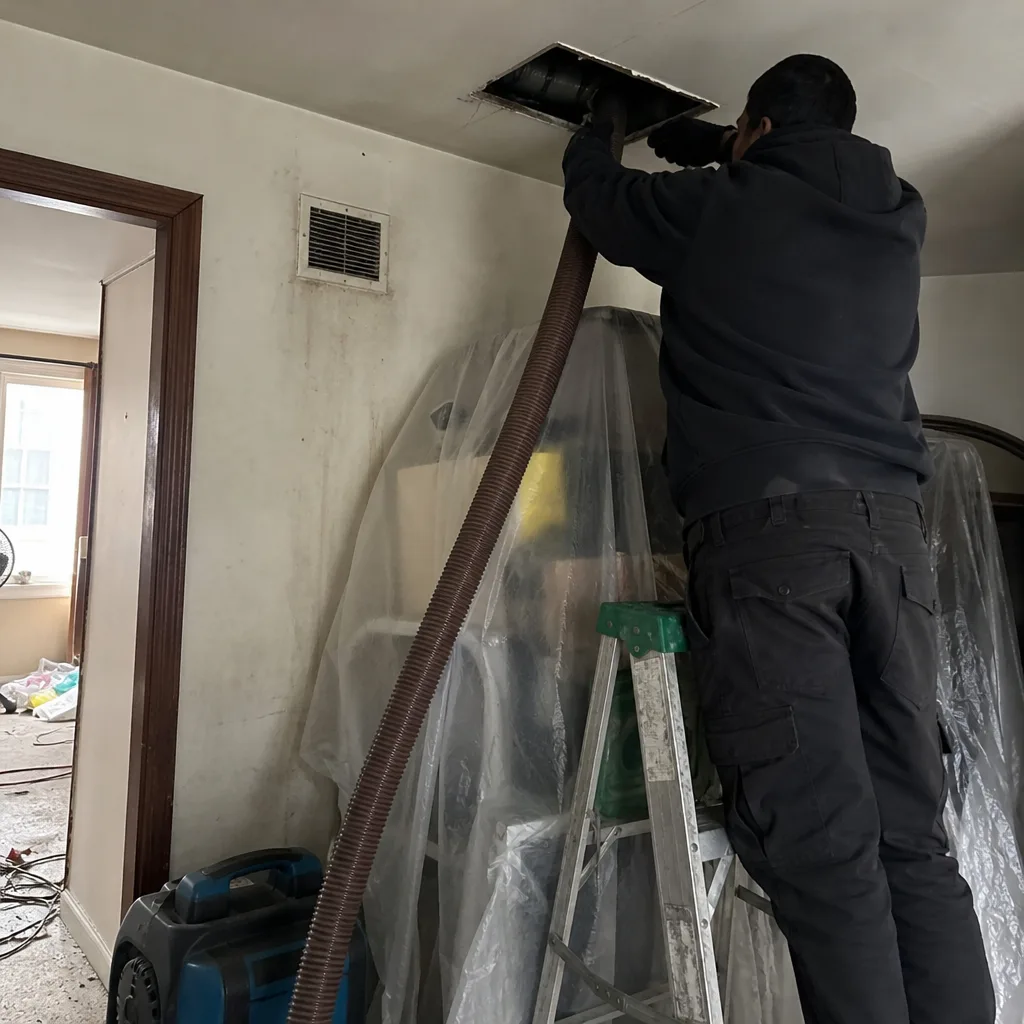 Before
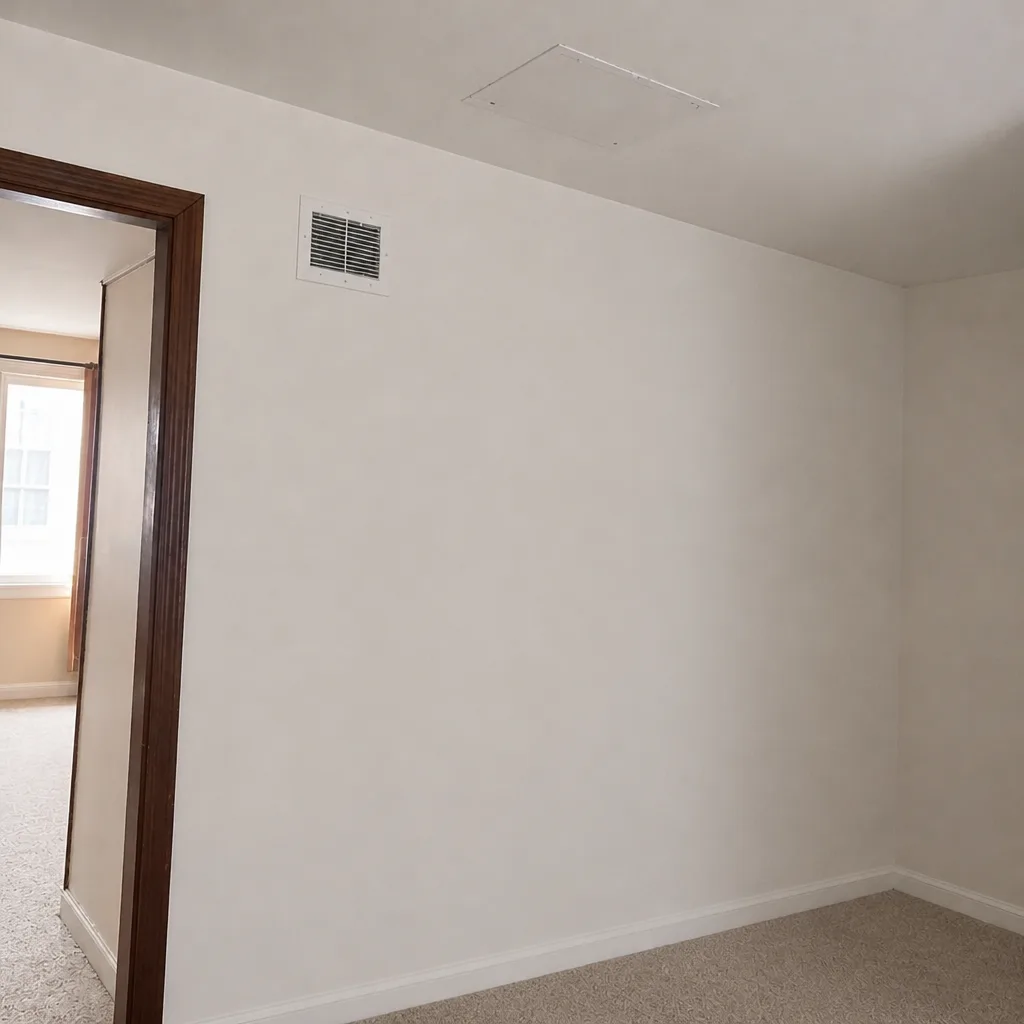 After
When to Call a Professional
Some symptoms you can diagnose and address yourself. These are the ones that mean it’s time to call us. If a room in your Borough Park home has never heated correctly, if you’ve had the ducts cleaned and your symptoms came back within a season, if you smell musty air every time the heat kicks on, if a register is blowing visible dust into the room, if your dryer is running hot or slow, or if you’ve bought a prewar building and you don’t know what the duct system’s history is – those are all cases where a proper diagnosis saves money over guessing. So is any suspicion of mold, moisture, or contamination on the coil or inside the duct runs. Air Duct Cleaning Borough Park offers free estimates in Borough Park – call (855) 337-2070. We answer 24/7, with fast dispatch from 7am to 7pm, Sunday through Friday. One flat price per system, agreed before work starts. The local pro is licensed and insured as their state requires, and we take before-and-after photos of your ducts so you can see exactly what changed.
Frequently Asked Questions
Price depends on the size of the system, the number of runs, the condition of the ducts, and whether the job includes repair, sealing, or coil cleaning alongside standard cleaning. Instead of quoting a per-vent teaser, we give a whole-system estimate in writing before any work starts – one flat price for the system, not a per-opening charge. The written estimate sets the final price. Call (855) 337-2070 for an exact quote – estimates are free.
Cheap quotes usually mean cleaning only – and often only the surface. They leave out coil cleaning, sealing, repair, and the diagnostic work that identifies whether cleaning is even the right answer. The other thing a low quote tends to leave out is equipment quality: a shop vac doesn’t move the same volume of air or capture the same fine particulates as a Nikro HEPA vacuum paired with a Rotobrush rotary brush. The quote isn’t the total cost. The invoice after work is. Ask what a quote includes before comparing on price. Call (855) 337-2070 if you want to walk through what a full visit covers – estimates are free.
Ask for before-and-after photos of your own ducts, taken during the visit. A technician with a camera can show exactly what was cleaned, what was repaired, and where the sealing was applied. On a prewar Borough Park system where duct runs disappear behind walls, those photos are your record of the work in places you can’t see. Call (855) 337-2070 to schedule a visit – estimates are free.
Most homes benefit from duct cleaning every few years, but the honest answer is that it depends on the building and the conditions. A prewar Borough Park rowhouse with older sheet metal and a history of renovations accumulates differently than a newer construction with smooth duct board. Visible dust at the registers, ongoing odors, or allergy symptoms that return quickly after cleaning are better indicators than the calendar. If you’re not sure whether your system is due, have it inspected – not cleaned blindly. Call (855) 337-2070 for a free estimate.
No, not in a way that actually resolves the problem. A shop vac can’t pull sufficient volume to move settled contamination from duct walls, and it can’t capture fine particulates the way a HEPA-rated system does. In practice you’d be spreading some of what’s inside back into the room. Cleaning the filter and removing visible register blockages yourself is fine and worth doing. Anything beyond that needs proper equipment. Call (855) 337-2070 if you want a technician’s read on your system – estimates are free.
Usually not by itself. Uneven temperatures in prewar Borough Park buildings are typically a pressure problem – leaks, blockages, or a system that was never balanced when it was converted from gravity heating to forced air. Cleaning addresses contamination. Sealing and repair address the pressure issues that cause the temperature gaps. A pressure drop test is what reveals which one you’re dealing with. Call (855) 337-2070 to schedule one – estimates are free.
The Bottom Line
Most of what gets blamed on the HVAC unit in Borough Park is a duct-system problem – and most duct-system problems aren’t cleaning problems. They’re pressure problems: leaks, blockages, crushed runs, disconnected joints. Cleaning solves contamination. Sealing and repair solve performance. Knowing the difference before you call anyone is what keeps you from paying for twice the work and getting one clean system that still doesn’t heat the back room. Run the walkthrough, watch the symptoms, ask for a pressure test. If you want a technician to look at the whole system instead of just vacuuming what’s visible, call (855) 337-2070. One flat price per system, agreed before work starts, with before-and-after photos of your ducts so you can see what changed.
Written by the team at Air Duct Cleaning Borough Park.